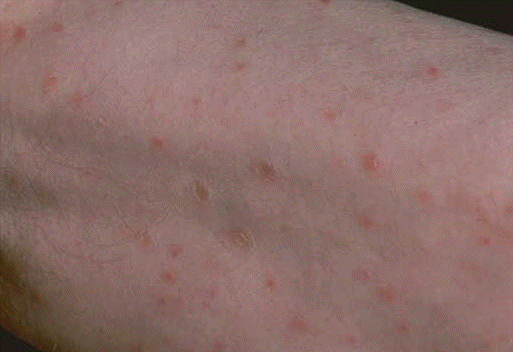
| The Pityriasis Lichenoides, a paraneoplastic syndrome ???
La Pitiriasis
Liquenoide, un
síndrome
paraneoplásico ???
DATA-MÉDICOS
DERMAGIC/EXPRESS No 2-96
03 Diciembre 2000, 03 December 2.000
EDITORIAL
ESPAÑOL
================
Hola amigos de la red, en esta primera
edición del DERMAGIC/EXPRESS
en el WEB site el tema es bastante interesante, la PITIRIASIS
LIQUENOIDE y sus VARIANTES, realmente un síndrome para neoplásico
???.
En el año de 1.916 MUCHA describió por primera vez la forma AGUDA de
esta enfermedad, en 1925 HABERMANN también hizo lo mismo, siendo
desde entonces conocida con el nombre de PITIRIASIS LIQUENOIDE
VARIOLIFORME AGUDA DE MUCHA HABERMANN. (PLEVA) En el año de 1.996
DEGOS describió una forma febril y ULCERO NECRÓTICA de la clásica
enfermedad de MUCHA HABERMAN (FUMH).
También hay descrita una segunda variante: la forma CRÓNICA DE de la
enfermedad. La pitiriasis Liquenoide crónica (PLC).
Enfermedad de difícil tratamiento y comportamiento incierto, de
causa desconocida, se ha asociado en algunas ocasiones como un
estado previo a malignidad (linfoma), también siendo asociada a la
papulosis linfomatoide la cual a su vez
también ha sido relacionada
con linfomas cutáneos (CTCL)
En esta revisión bibliográfica encontré algunos aspectos
interesantes que resalto a continuación:
1.) Existen 2 tipos de la enfermedad:
A.) Pitiriasis Liquenoide varioliforme Aguda (Mucha Habermann 1.916-
1926-PLEVA).
La Aguda tiene una variante:
A.-1)
La Forma febril y ulcero
necrótica de Mucha Habermann (1.966 (Degos) (FUMH)
B.) Pitiriasis
Liquenoide
Cronica. (PLC)
2.) Ambas variantes han sido asociada a estados malignos (linfoma).
3.) Se pueden presentar tanto en niños como adultos.
4.) Se ha observado una mayor
asociación con malignidad en los
adultos que en niños.
5.) Se han descrito casos de
remisión después de tonsilectomia.
6.) Se han descrito casos en una misma familia.
7.) Recientemente se describieron en febrero del 2.000 tres casos en
niños donde se encontró en las biopsias cambios histopatológicos
compatibles con micosis fungoides.
8.)También se han descrito casos de pitiriasis liquenoide
crónica, que se transformaron en
para queratosis variegata. (parapsoriasis).
9.) La forma aguda puede desaparecer o evolucionar hacia la forma
crónica o micosis fungoides
10.) la forma crónica puede aparecer como crónica por primera vez,
desaparecer o evolucionar a papulosis linfomatoide o linfoma.
11.) Entre las posibles causas
etiológicas se menciona un posible
estado de hiperreactividad a un agente infeccioso, entre ellos el
virus de Epstein Barr, Toxoplasma Gondii e infeccion estreptocócica.
12.) En un estudio hecho en Egipto en 1.997 sobre 22 pacientes con
PLC se consiguió que el 36.36% tenia toxoplasmosis.
13.) También ha sido descrita en
asociación a enfermedades
reumáticas: artritis reumatoide.
14.)Se han encontrado depósitos de IGM y C3 en biopsias de pacientes
con PITIRIASIS LIQUENOIDE AGUDA Y CRÓNICA. Una enfermedad por
complejos inmunes ?
15.) No hay tratamiento especifico pero las tetraciclinas,
eritromicina, metotrexato, pentoxifilina y luz ultravioleta son las
mas usados.
En base a estos datos interesantes y EVIDENTES podríamos considerar
a la pitiriasis liquenoide y sus variantes como un SÍNDROME muy
cercano a la PARA-NEOPLASIA el cual debemos vigilar siempre por su
posible evolución a malignidad, y entre los
exámenes de rutina, pedir
siempre títulos de Toxoplasma, Epstein Barr virus, y
exámenes inmunológicos: C3-Inmunoglobulinas (IGM),
etc.
En las 65 referencias los hechos....
Saludos a Todos. !!!
Dr. José Lapenta R.
EDITORIAL ENGLISH
=================
Hello friends of the net, in this first edition of the
DERMAGIC/EXPRESS in the WEB site
is the topic quite interesting, the LICHENOID PITYRIASIS, and its
VARIANTS, really a paraneoplastic syndrome ???.
In the year of 1.916 MUCHA described the ACUTE form of this illness
for the first time, n 1925 HABERMANN he also made the same thing,
being known from then on with the name of
PITYRIASIS-LICHENOIDES-ET-VARIOLIFORMIS-ACUTA- (MUCHA HABERMANN'S
DISEASE-PLEVA). In the year of 1.996 DEGOS described a febrile
ULCERONECROTIC form (FUMH) of the classic illness of
MUCHA-HABERMAN.
There is also described a second variant: the CHRONIC form OF of the
illness. The CHRONIC PITYRIASIS LICHENOIDES (PLC).
Illness of difficult treatment and uncertain behavior, of unknown
cause, she has associated in some occasions as a previous state to
malignancy (lymphoma), also being associated to the linfomatoid
papulosis the one which in turn has also been related with cutaneous
lymphomas (CTCL)
In this bibliographical revision I found some interesting aspects
that I stand out next:
1.) 2 types of the illness exist:
A.) Pitiriasis Liquenoide et- varioliformis acute (Mucha-Habermann
1.916- 1925- PLEVA).
The Acute form has a variant:
A.-1)
The febrile ulceronetrotic type of
Mucha-Habermann (1.966 (Degos)-(FUMH)
B.) Chronic Pityriasis lichenoides.(PLC)
2.) Both variants have been associated to malignancy (lymphoma).
3.) They can be presented so much in children as adults.
4.) A bigger association has been observed with malignancy in the
adults that in children.
5.) Cases of remission have been described after tonsillectomy.
6.) Cases have been described in oneself family.
7.) Recently they were described in February of the 2.000 three
cases in children where it was in the biopsies histopathological
changes of mycosis fungoides.
8.)Also has been described cases of chronic pityriasis lichenoide
that becomes in paraqueratosis variegata. (parapsoriasis).
9.) The ACUTE form can disappear or to evolve toward the Chronic
form or mycosis fungoides
10.) The chronic form can appear for the first time as chronic, to
disappear or to evolve to linfomatoid papulosis or lymphoma.
11.) Among the possible causes a possible hypersensitivity reaction
is mentioned to an infectious agent, among them Epstein Barr's
virus, Toxoplasma Gondii. and streptococcal infection.
12.) In a study made in egypt in 1.997 on 22 patients with PLC was
gotten that 36.36% had toxoplasmosis.
13.) It has also been described in association to rheumatic
illnesses: arthritis reumatoid.
14.)It has found deposits of IGM and C3 in biopsies of patient with
LICHENOID PITYRIASIS ACUTE AND CHRONIC. An illness for complex
immune? 15.) There is not definitive treatment, but tetracycline,
erythromycin, methotrexate, and ultraviolet light plows used most
frequently
Based on these interesting an EVIDENT data, we could consider to the
LICHENOIDES PITYRIASIS and their variants as a very near to an
PARANEOPLASTIC SYNDROME, wichh we should always watch over for their
possible evolution to malignancy, and among the routine exams, to
always request: toxoplasma, Epstein Barr virus, and Immunologic
exams: C3, IGM, etc.
In the 65 references the facts....
Greetings to all !!!
Dr. Jose Lapenta.
=============================================================
REFERENCIAS
BIBLIOGRÁFICAS / BIBLIOGRAPHICAL REFERENCES
=============================================================
1.) Cutaneous T-cell lymphoma (parapsoriasis en plaque). An
association with pityriasis lichenoides et varioliformis
2.) Lymphomatoid papulosis/pityriasis lichenoides in two children.
3.) Clinical and histologic features of pityriasis Lichenoides et
varioliformis acuta in children.
4.) Pityriasis lichenoides in children: therapeutic response to
erythromycin.
5.) Pityriasis lichenoides in children: a long-term follow-up of
eighty-nine cases.
6.) Clinical and histologic differentiation between lymphomatoid
papulosis and pityriasis lichenoides.
7.) Phototherapy of pityriasis lichenoides.
8.) [Pityriasis lichenoides in a sibling pair]
9.) Febrile ulceronecrotic Mucha-Habermann's disease.
10.) Pityriasis lichenoides chronica resolving after tonsillectomy
[letter]
11.) Pityriasis lichenoides and lymphomatoid papulosis.
12.) Lymphomatoid papulosis: clinicopathological comparative study
with pityriasis lichenoides et varioliformis acuta.
13.)Comparative clinicopathological study on pityriasis lichenoides
chronica and small plaque parapsoriasis.
14.) Severe febrile Mucha-Habermann's disease in children: case
report and review of the literature.
15.) The histologic spectrum of mycosis fungoides/Sezary syndrome
(cutaneous T-cell lymphoma). A review of 222 biopsies, including
newly described patterns and the earliest pathologic changes.
16.) UV-B phototherapy for pityriasis lichenoides.
17.) [Parakertosis variegata after pityriasis lichenoides et
varioliformis acuta]
18.) Febrile ulceronecrotic pityriasis lichenoides et varioliformis
acuta.
19.) Febrile ulceronecrotic pityriasis lichenoides et varioliformis
acuta.
20.) [Pityriasis-lichenoides-et-varioliformis-acuta-like drug
exanthema caused by astemizole]
21.) Atypical manifestations of pityriasis lichenoides chronica:
development into paraneoplasia and non-Hodgkin lymphomas of the
skin.
22.) Pityriasis lichenoides-like eruption occurring during therapy
for myelogenous leukemia.
23.) Immunopathologic studies in pityriasis lichenoides.
24.)Immunohistology of pityriasis lichenoides et varioliformis acuta
and pityriasis lichenoides chronica. Evidence for their
interrelationship with lymphomatoid papulosis.
25.) Clonal T-cell populations in pityriasis lichenoides et
varioliformis acuta (Mucha-Habermann disease).
26.) Immunopathology of pityriasis lichenoides acuta.
27.)Psoralens and ultraviolet A therapy of pityriasis lichenoides.
28.) Histopathologic diagnosis of pityriasis lichenoides et
varioliformis acuta and its clinical correlation.
29.) Long-term follow-up of photochemotherapy in pityriasis
lichenoides.
30.) Pityriasis lichenoides, an immune complex disease?
31.) [Pityriasis lichenoides (author's transl)]
32.) HIV seropositivity in association with pityriasis
33.) Koebnerization as a cutaneous manifestation of immune
complex-mediated vasculitis.
34.) Pentoxifylline (Trental) therapy for vasculitis of pityriasis
lichenoides et varioliformis [letter]
35.) Lymphomatoid papulosis and pityriasis lichenoides: are they
related?
36.) Immunofluorescence findings in pityriasis lichenoides
37.) Febrile ulceronecrotic Mucha-Habermann disease.
38.) Immunohistochemical distinction of lymphomatoid papulosis and
pityriasis lichenoides et varioliformis acuta.
39.) Benign and neoplastic eosinophilic staining cells: an
immunofluorescence study.
40.) Differentiation and clonality of lesional lymphocytes in small
plaque parapsoriasis [see comments]
41.) Examination of cutaneous T-cell lymphoma for human
herpesviruses by using the polymerase chain reaction.
42.) Mucha-Habermann disease in a child: possible association with
measles vaccination.
43.) Mucha-Habermann disease in children -- the association with
rheumatic diseases.
44.) [cutaneous and neurologic vasculitis disclosing EBV-selective
immunodeficiency].
45. [Lichenoid pityriasis (parapsoriasis guttata) in children.
Report of 17 cases].
46.) [Lichenoid pityriasis. Immunologic study of 10 children].
47.) Febrile ulceronecrotic Mucha-Habermann's disease with
interstitial pneumonitis.
48.) Lichenoid pityriasis. Clinical study of 13 cases].
49.) The transformation of pityriasis lichenoides chronica into
parakeratosis variegata in an 11-year-old girl.
50.) Mucha-Habermann disease and its febrile ulceronecrotic variant.
51.)Febrile ulceronecrotic Mucha-Habermann disease.
52.) Mucha-Habermann disease: a diagnostic possibility for prolonged
fever associated with systemic and skin symptoms.
53.) [Acute parapsoriasis in a 5-year-old girl].
54.) Mucha-Habermann's disease and arthritis: possible association
with reactivated Epstein-Barr virus infection.
55.) [Mucha-Habermann disease. Description of a case in childhood].
56.) Mucha-Habermann disease in children -- the association with
rheumatic diseases.
57.) Mucha-Habermann's disease in children: treatment with
erythromycin.
58.) Histiocytic medullary reticulosis presenting as Mucha-Habermann
disease.
59.) Methotrexate for the treatment of Mucha-Habermann disease.
60.)Pityriasis lichenoides-like mycosis fungoides in children.
61.) Pityriasis lichenoides in children: clinicopathologic review of
22 patients.
62.) The relation between toxoplasmosis and pityriasis lichenoides
chronica.
63.) Experience with UVB phototherapy in children.
64.) Pityriasis lichenoides of childhood with atypical CD30-positive
cells and clonal T-cell receptor gene rearrangements.
65.) Pityriasis lichenoides et varioliformis acuta and group-A beta
hemolytic streptococcal infection.
=============================================================
=============================================================
1.) Cutaneous T-cell lymphoma (parapsoriasis en plaque). An
association with pityriasis lichenoides et varioliformis
=============================================================
acuta in young children.
SO - Arch Dermatol 1990 Nov;126(11):1449-53
AU - Fortson JS; Schroeter AL; Esterly NB
PT - JOURNAL ARTICLE
AB - Pityriasis lichenoides et varioliformis acuta (PLEVA) and
pityriasis lichenoides chronica (PLC) are related benign disorders
without recognized association with cutaneous T-cell lymphoma
(CTCL). We report the cases of two children with documented PLEVA
evolving into CTCL over several years. One child had the clinical
lesions of PLC but the dermatopathologic findings of PLEVA at age 2
years. At age 12 years, he had skin changes of poikiloderma
atrophicans vasculare and dermatopathologic findings consistent with
parapsoriasis en plaque. The second child presented at age 7 years
with scaling dermatitis and dermatopathologic findings of PLEVA. At
age 12 years, the histologic diagnosis was parapsoriasis. Monoclonal
antibody studies performed on biopsy specimens from both patients
revealed 70% to 100% cells staining with CD5, 80% to 90% staining
with CD4, 30% to 50% staining with CD8, and an increase in
CD1-staining cells in the papillary dermis, indicating a
predominantly helper T-cell infiltrate. We believe that PLC and
PLEVA may be part of the spectrum of CTCL. Furthermore, CTCL may be
more common in young children than once thought.
=============================================================
2.) Lymphomatoid papulosis/pityriasis lichenoides in two children.
=============================================================
SO - Pediatr Dermatol 1987 Nov;4(3):238-41
AU - Ashworth J; Paterson WD; MacKie RM
PT - JOURNAL ARTICLE
AB - Two children developed lymphomatoid papulosis/pityriasis
lichenoides at ages 3 and 6 years. Follow-up continued for 13 years
in the former patient and for 6 years in the latter. Both children
now have continuing low-grade disease activity requiring in the one
case topical corticosteroid therapy and in the other low-dose
systemic steroid therapy. These children are reported to emphasize
to pediatricians, pediatric pathologists, and hematologists that
pseudolymphomatous conditions can exist in young children and do not
require potent cytotoxic therapy. In both of our patients, the
initial diagnosis was thought to be an aggressive lymphoma.
=============================================================
3.) Clinical and histologic features of pityriasis Lichenoides et
varioliformis acuta in children.
=============================================================
SO - Arch Dermatol 1987 Oct;123(10):1335-9
AU - Longley J; Demar L; Feinstein RP; Miller RL; Silvers DN
PT - JOURNAL ARTICLE
AB - Pityriasis lichenoides et varioliformis acuta (PLEVA) is
commonly thought of as a disease of young adults, yet we identified
five cases, involving patients who were 3, 5, 6, 8, and 11 years of
age, among 13,000 consecutive specimens submitted to a general
dermatopathology laboratory during a 15-week period. The clinical
and histologic features of PLEVA in our cases were similar to those
reported for adults, except that no lesions were observed on the
scalp or mucous membranes of children. A high index of suspicion and
biopsy specimens of suspected lesions are often needed to
differentiate PLEVA from other papular and crusted eruptions seen in
the pediatric age group. These include reactions to arthropods,
Gianotti-Crosti syndrome, varicella, and erythema multiforme.
Histologically, papular eczema and pityriasis rosea may be
misdiagnosed as PLEVA.
=============================================================
4.) Pityriasis lichenoides in children: therapeutic response to
erythromycin.
=============================================================
SO - J Am Acad Dermatol 1986 Jul;15(1):66-70
AU - Truhan AP; Hebert AA; Esterly NB
PT - JOURNAL ARTICLE
AB - Fifteen of twenty-two children with pityriasis lichenoides were
treated with oral erythromycin. Eleven (73%) had a remission,
usually within 2 months. Two others showed partial improvement, and
two were unimproved. Seven of the children who experienced a
remission were off erythromycin and free of lesions after 2 to 5
months of therapy. A trial of erythromycin as described herein
should be considered in children with pityriasis lichenoides before
other, possibly more toxic, measures are instituted.
=============================================================
5.) Pityriasis lichenoides in children: a long-term follow-up of
eighty-nine cases.
=============================================================
SO - J Am Acad Dermatol 1990 Sep;23(3 Pt 1):473-8
AU - Gelmetti C; Rigoni C; Alessi E; Ermacora E; Berti E; Caputo R
PT - JOURNAL ARTICLE
AB - Pityriasis lichenoides is usually classified into an acute and
a chronic form. From a review of 89 cases of the disease seen since
1974 it seems that a more realistic classification into three main
groups, according to the distribution of pityriasis lichenoides
lesions, could be made, namely, a diffuse, a central, and a
peripheral form, each characterized by a different clinical course.
Conversely, no correlations were detected in our series between the
severity of skin lesions and their distribution or the overall
course of the disease. None of our cases suggests the possible
evolution of pityriasis lichenoides into lymphomatoid papulosis.
Although no infectious causative agent has been identified, a viral
origin seems likely in some cases. Most patients responded favorably
to =============================================================
irradiation. Our conclusions are (1) that pityriasis lichenoides is
probably a clinical disorder with a diverse etiology and (2) that
its classification by distribution seems more useful than its
subdivision into an acute and a chronic form.
=============================================================
6.) Clinical and histologic differentiation between lymphomatoid
papulosis and pityriasis lichenoides.
=============================================================
SO - J Am Acad Dermatol 1985 Sep;13(3):418-28
AU - Willemze R; Scheffer E
PT - JOURNAL ARTICLE
AB - The relationship between lymphomatoid papulosis and pityriasis
lichenoides is a matter of considerable debate. Differentiation
between these two conditions is, however, important because patients
with lymphomatoid papulosis, unlike those with pityriasis
lichenoides, may develop systemic lymphoma and thus require
long-term follow-up. In our study the clinical and histologic
features of eighty-two patients with pityriasis lichenoides and
twenty-six patients with lymphomatoid papulosis were reviewed and
compared. Clinical and histologic differences were recognized, not
only allowing differentiation between the two conditions, but also
suggesting that they are pathogenetically distinct diseases.
Finally, evidence is presented to suggest that the different views
on the relationship between these diseases mainly result from
differences in patient selection.
=============================================================
7.) Phototherapy of pityriasis lichenoides.
=============================================================
SO - Arch Dermatol 1983 May;119(5):378-80
AU - Le Vine MJ
PT - JOURNAL ARTICLE
AB - Eleven patients with chronic pityriasis lichenoides chronica
were treated with topically applied bland emollient cream and
minimally erthemogenic doses of UV radiation from fluorescent
sunlamps. The conditions of all patients cleared completely in an
average of 29 treatments, requiring an average UV dose of 388
millijoules/sq cm at clearance. Phototherapy provides a convenient
effective outpatient therapy for pityriasis lichenoides chronica.
=============================================================
8.) [Pityriasis lichenoides in a sibling pair]
=============================================================
SO - Hautarzt 1981 Nov;32(11):592-4
AU - Deuchert C
PT - JOURNAL ARTICLE
AB - Two brothers are reported, who had pityriasis lichenoides
within an interval of eighteen months. The hitherto unknown etiology
of this dermatosis is discussed.
=============================================================
9.) Febrile ulceronecrotic Mucha-Habermann's disease.
=============================================================
SO - J Dermatol 1994 Jan;21(1):46-9
AU - Maekawa Y; Nakamura T; Nogami R
PT - JOURNAL ARTICLE; REVIEW (9 references); REVIEW OF REPORTED
CASES
AB - Febrile ulceronecrotic Mucha-Habermann's disease (FUMH) was
first described by Degos in 1966. In the literature, nine cases of
FUMH have been reported in both children and adults. We report a
16-year-old boy with the febrile ulceronecrotic type. A review of
the nine cases in the literature showed acute necrotic lesions, as
well as rare complications such as fever, superinfected lesions and
viral infection which are not as common in pityriasis lichenoides et
varioliformis acuta. There is no definitive treatment, but systemic
corticosteroid, methotrexate, antibiotics (tetracycline,
erythromycin), aciclovir, and 4,4-diaminodiphenyl sulfone (DDS) have
been frequently used. The most common histologic feature is
mononuclear perivascular infiltrates consisting of T lymphocytes.
The etiology is not known, but a hypersensitivity reaction, possibly
to an infectious agent, is suggested.
=============================================================
10.) Pityriasis lichenoides chronica resolving after tonsillectomy
[letter]
=============================================================
SO - Br J Dermatol 1993 Sep;129(3):353-4
AU - Takahashi K; Atsumi M
PT - LETTER
=============================================================
=============================================================
11.) Pityriasis lichenoides and lymphomatoid papulosis.
=============================================================
SO - Semin Dermatol 1992 Mar;11(1):73-9
AU - Rogers M
PT - JOURNAL ARTICLE; REVIEW (79 references); REVIEW, TUTORIAL
AB - The clinical features, histopathology, immunopathology, and
management of pityriasis lichenoides and lymphomatoid papulosis are
discussed, with particular emphasis on the pediatric aspects of
these conditions. The difficulties in logically separating
pityriasis lichenoides into an acute (pityriasis lichenoides et
varioliformis acuta) and a chronic (pityriasis lichenoides
chronical) form are addressed. The development of lymphoreticular
malignancy in patients with lymphomatoid papulosis has been well
documented, but pityriasis lichenoides has characteristically been
regarded as a benign condition. However, recent reports of the
development of large plaque parapsoriasis in patients with
pityriasis lichenoides have led to a reconsideration. Some of these
patients were in the pediatric age group. Although there are
significant clinical, histopathological, and immunopathological
differences between pityriasis lichenoides and lymphomatoid
papulosis, the demonstration of similar clonal T cell receptor gene
rearrangements and the confirmation of the potentially premalignant
nature of both suggests that there may indeed be an
interrelationship between these two controversial entities. Close
follow-up of patients with both of these conditions is recommended,
with observation being discontinued only when the patient has been
free of lesions for several years.
=============================================================
12.) Lymphomatoid papulosis: clinicopathological comparative study
with pityriasis lichenoides et varioliformis acuta.
=============================================================
SO - J Dermatol 1991 Oct;18(10):580-5
AU - Erpaiboon P; Mihara I; Niimura M
PT - JOURNAL ARTICLE
AB - We have compared the clinical and histopathological features of
6 patients with lymphomatoid papulosis (LP) and 14 patients with
pityriasis lichenoides et varioliformis acuta (PLEVA). There were
some differences between the clinical features in the two diseases,
including the size and appearance of skin lesions and the duration
of the course of disease. Ki-1 Ag positive, large, atypical,
lymphoid cells were always seen in lymphomatoid papulosis; none of
lymphoid cells of pityriasis lichenoides et varioliformis acuta
demonstrated this antigen. We conclude that lymphomatoid papulosis
and PLEVA, although sharing some common features, should be
considered to be different clinical and immunopathological entities.
=============================================================
13.)Comparative clinicopathological study on pityriasis lichenoides
chronica and small plaque parapsoriasis.
=============================================================
SO - Am J Dermatopathol 1988 Jun;10(3):189-96
AU - Benmaman O; Sanchez JL
PT - JOURNAL ARTICLE
AB - The term parapsoriasis refers to a group of chronic
asymptomatic scaly dermatoses of unknown etiology about which there
is still controversy over the nosology and nomenclature of the
different conditions that comprise the group, particularly
pityriasis lichenoides chronica (PLC) and small plaque parapsoriasis
(SPP). In an attempt to establish the distinctive clinicopathologic
features of these two dermatosis, we prospectively studied 44
patients who presented with the typical clinical and histologic
picture of either of these two diseases. SPP was clinically
characterized by scaly oval plaques on the trunk and proximal aspect
of extremities. Spongiosis was the salient histopathologic feature,
with absence of fibrosis or melanophages. PLC presented with a scaly
papular eruption over the trunk and extremities and histologically
was characterized by an interface dermatitis. We conclude that
sufficient clinical and histologic features differentiate these two
entities and we propose that the term parapsoriasis be used only to
designate SPP and large plaque parapsoriasis.
============================================================
14.) Severe febrile Mucha-Habermann's disease in children: case
report and review of the literature.
=============================================================
SO - Pediatr Dermatol 1991 Mar;8(1):51-7
AU - Luberti AA; Rabinowitz LG; Ververeli KO
PT - JOURNAL ARTICLE; REVIEW (25 references); REVIEW OF REPORTED
CASES
AB - Mucha-Habermann disease, or pityriasis lichenoides et
varioliformis acuta, is usually a benign, papulosquamous, cutaneous
disorder. It has also been reported in a severe form with fever and
systemic symptoms both in children and adults. We report a
12-year-old boy with the febrile, ulceronecrotic type. A review of
similar cases in the literature shows a 16% frequency of acute
necrotic lesions, as well as rare complications such as fever,
superinfected lesions, bacteremia (most often with Staphylococcus
aureus), and rheumatologic manifestations such as arthritis and
scleroderma. There is no definitive treatment, but tetracycline,
erythromycin, methotrexate, and ultraviolet light are used most
frequently. The most common histologic feature is mononuclear
perivascular infiltrates. Mucha-Habermann disease can mimic other
common entities such as varicella and insect bites.
=============================================================
15.) The histologic spectrum of mycosis fungoides/Sezary syndrome
(cutaneous T-cell lymphoma). A review of 222 biopsies, including
newly described patterns and the earliest pathologic changes.
=============================================================
SO - Am J Surg Pathol 1994 Jul;18(7):645-67
AU - Shapiro PE; Pinto FJ
PT - JOURNAL ARTICLE
AB - We studied 222 skin biopsies of mycosis fungoides and Sezary
syndrome (cutaneous T-cell lymphoma [CTCL]) to document the huge
histologic spectrum and to evaluate the earliest histologic changes.
Our results indicate that CTCL produces practically all of the
patterns used for diagnosing inflammatory skin disease: superficial
or superficial and deep perivascular without epidermal changes;
spongiotic; psoriasiform, with or without a lichenoid infiltrate;
interface, including lichenoid without vacuolar alteration,
lichenoid with vacuolar alteration, and vacuolar alteration without
a lichenoid infiltrate; follicular, with or without mucin; nodular
and diffuse; vasculitis; vesicular; and panniculitis. Unusual
examples resembling granuloma annulare, gyrate erythema, lichen
planus, and pityriasis lichenoides were seen. To further document
the spectrum within each pattern, we analyzed many variables, such
as lymphocytic atypia, epidermotropism, epidermal contour, and
composition of the dermal infiltrate. Common clues to the diagnosis
of CTCL include epitheliotropism with little spongiosis; lymphocytes
lined up along the basal layer; hyperconvoluted lymphocytes; and
broad areas of slight hyperorthokeratosis that is compact or
laminated, with subtle interspersed parakeratosis. Less common clues
include Pautrier's microabscesses; granulomatous foci; coexistence
of plasma cells and eosinophils; and rounded, hyperplastic rete
ridges adjacent to flattened rete. The earliest changes of CTCL
appear to be a sparse, superficial perivascular infiltrate with
slight or no epidermal hyperplasia and with rare lymphocytes in the
lower epidermis, especially the basal layer, often with
hyperconvoluted nuclei. Our findings support the hypothesis that
CTCL develops sui generis, rather than from another chronic
dermatosis.
=============================================================
16.) UV-B phototherapy for pityriasis lichenoides.
=============================================================
SO - Australas J Dermatol 1985 Apr;26(1):9-13
AU - Siew NT
PT - JOURNAL ARTICLE
=============================================================
=============================================================
17.) [Parakertosis variegata after pityriasis lichenoides et
varioliformis acuta]
=============================================================
SO - Hautarzt 1995 Jul;46(7):498-501
AU - Kiene P; Folster-Holst R; Mielke V
PT - JOURNAL ARTICLE
AB - We report on a 34-year-old male patient who developed
generalized parakeratosis variegata lesions 4 years after suffering
from pityriasis lichenoides et varioliformis acuta. For further
investigation of a possible interrelationship between these two
diseases of the parapsoriasis group and their relationship to the
T-cell type of cutaneous non-Hodgkin-lymphoma, histological,
immunohistological and molecular-biological techniques were applied.
We were able to demonstrate typical morphological features common to
both diseases, and a polyclonal T-cell infiltrate in both. It is
concluded that pityriasis lichenoides et varioliformis acuta and
parakeratosis variegata are separate entities without monoclonal
rearrangement or signs of malignancy.
=============================================================
18.) Febrile ulceronecrotic pityriasis lichenoides et varioliformis
acuta.
=============================================================
SO - J Am Acad Dermatol 1994 Feb;30(2 Pt 1):261-3
AU - Fink-Puches R; Soyer HP; Kerl H
PT - JOURNAL ARTICLE; REVIEW (10 references); REVIEW OF REPORTED
CASES
=============================================================
=============================================================
19.) Febrile ulceronecrotic pityriasis lichenoides et varioliformis
acuta.
=============================================================
SO - Dermatology 1994;189 Suppl 2:50-3
AU - De Cuyper C; Hindryckx P; Deroo N
PT - JOURNAL ARTICLE
AB - An unusually severe form of pityriasis lichenoides et
varioliformis acuta (PLEVA) with a fatal outcome in an 82-year-old
woman is reported. After a period of a mild eruption, extensive
polymorphous, papular and ulcerohemorrhagic skin lesions developed,
associated with intermittent high temperature and constitutional
symptoms. Skin biopsies showed the typical histopathological changes
of PLEVA. Early recognition of this severe variant of PLEVA is
important, since the fulminating course can lead to death.
=============================================================
20.) [Pityriasis-lichenoides-et-varioliformis-acuta-like drug
exanthema caused by astemizole]
=============================================================
SO - Hautarzt 1993 Apr;44(4):235-7
AU - Stosiek N; Peters KP; von den Driesch P
PT - JOURNAL ARTICLE
AB - We report on a 40-year-old male patient who developed an
unusual generalized drug eruption taking the form of a
histologically confirmed pityriasis lichenoides et varioliformis
acuta (PLEVA) after oral intake of the H1-antagonist astemizole. On
two occasions, independently repeated medication with astemizole
exacerbated the typical rash again. Oral exposure and the specific
lymphocyte transformation test confirmed the suspected causal
connection between astemizole and PLEVA.
=============================================================
21.) Atypical manifestations of pityriasis lichenoides chronica:
development into paraneoplasia and non-Hodgkin lymphomas of the
skin.
=============================================================
SO - Dermatology 1992;184(1):65-9
AU - Panizzon RG; Speich R; Dazzi H
PT - JOURNAL ARTICLE
AB - Three patients with atypical courses and manifestations of
pityriasis lichenoides chronica (PLC) are presented. The first
patient is a 21-year-old white woman who showed a good response of
her PLC lesions as well as her reactive oligoarthritis to repeated
PUVA treatments combined with oral prednisone during 1 year. The
effect of the treatment then decreased. The patient developed a
low-grade malignant lymphoma of the lung. When the lymphoma of the
lung improved after chemotherapy, the PLC eruptions improved, too.
The second patient is a 41-year-old man, whose Hodgkin's disease
stage IVa was successfully treated by chemotherapy and radiotherapy
in 1984. In 1987 he showed PLC lesions which responded well to PUVA
therapy, later also in combination with etretinate. Until 1988
repeated skin biopsies revealed a non-specific eczematous pattern.
In 1989 the recalcitrant PLC eruptions finally revealed a
pleomorphic non-Hodgkin lymphoma of the skin with medium-sized
cells. The third patient had a PLC for about 9 years when Hodgkin's
disease stage Ia was diagnosed. At the beginning the skin biopsy
showed an eczematous pattern, but 2 years later, in 1990, skin
infiltrations of a large-cell, anaplastic non-Hodgkin lymphoma were
seen. These cases show that PLC in rare cases may either represent a
paraneoplastic skin disease or may itself develop into cutaneous
lymphomas.
=============================================================
22.) Pityriasis lichenoides-like eruption occurring during therapy
for myelogenous leukemia.
=============================================================
SO - J Dermatol 1989 Feb;16(1):73-5
AU - Isoda M
PT - JOURNAL ARTICLE
AB - A 61-year-old Japanese man with chronic myelogenous leukemia
developed pityriasis lichenoides-like eruptions during chemotherapy.
Histopathological features were also consistent with the disease.
The eruption in this case may have been an allergic reaction arising
in a depressed immunity induced by chemotherapy.
=============================================================
23.) Immunopathologic studies in pityriasis lichenoides.
=============================================================
SO - Arch Dermatol Res 1988;280 Suppl:S61-5
AU - Giannetti A; Girolomoni G; Pincelli C; Benassi L
PT - JOURNAL ARTICLE
AB - Skin biopsy specimens from five patients with pityriasis
lichenoides et varioliformis acuta and from six patients with
pityriasis lichenoides chronica were studied by direct
immunofluorescence and by an immunoperoxidase technique using a
panel of monoclonal antibodies. The dermal inflammatory infiltrate
was composed of T cells, macrophages, and a small proportion of
CD1a+ cells, mostly perivascular. CD8+ cells (cytotoxic/suppressor
phenotype) predominated in the epidermis according to the degree of
epidermal necroses, whereas CD4+ cells (helper/inducer phenotype)
were superior in number among dermal T cells. A few B cells and
Leu7+ cells were detected in only a small proportion of lesions. The
results obtained confirm that the two conditions are variants of a
single disease process and suggest that cell-mediated immune
mechanisms may be important in the pathogenesis of the epidermal and
vascular damage. Endothelial cells (HLA-DR+ and HLA-DQ+) and CD1a+
cells (epidermal and possibly dermal) could be primarily involved,
acting as antigen-presenting cells.
=============================================================
24.)Immunohistology of pityriasis lichenoides et varioliformis acuta
and pityriasis lichenoides chronica. Evidence for their
interrelationship with lymphomatoid papulosis.
=============================================================
SO - J Am Acad Dermatol 1987 Mar;16(3 Pt 1):559-70
AU - Wood GS; Strickler JG; Abel EA; Deneau DG; Warnke RA
PT - JOURNAL ARTICLE
AB - Pityriasis lichenoides et varioliformis acuta and pityriasis
lichenoides chronica are idiopathic, papular eruptions that exhibit
certain clinicopathologic similarities to each other and to
lymphomatoid papulosis. In order to determine if these disorders are
also similar immunologically, we studied the immunopathology of five
biopsy specimens from three cases of pityriasis lichenoides et
varioliformis acuta and three biopsy specimens from three cases of
pityriasis lichenoides chronica. We then compared them to our prior
immunohistologic study of nine cases of lymphomatoid papulosis.
Pityriasis lichenoides et varioliformis acuta and pityriasis
lichenoides chronica both exhibited a dermal and epidermal
infiltrate of CD4+ and CD8+ T cells expressing activation antigens.
These were admixed with numerous macrophages. The lesional epidermis
was diffusely human lymphocyte antigen (HLA)-DR+ and contained
decreased CD1+ dendritic cells. Endothelial cells were also HLA-DR+.
Cells bearing the phenotypes of B cells, follicular dendritic cells,
or natural killer/killer cells were essentially absent. Except for
the lack of large atypical cells, the results resembled those
described previously for lymphomatoid papulosis. These findings
indicate that pityriasis lichenoides chronica, pityriasis
lichenoides et varioliformis acuta, and lymphomatoid papulosis share
several immunohistologic features. Together with certain
clinicopathologic similarities, they are consistent with the
hypothesis that these three disorders are interrelated.
=============================================================
25.) Clonal T-cell populations in pityriasis lichenoides et
varioliformis acuta (Mucha-Habermann disease).
=============================================================
SO - Am J Pathol 1987 Mar;126(3):417-21
AU - Weiss LM; Wood GS; Ellisen LW; Reynolds TC; Sklar J
PT - JOURNAL ARTICLE
AB - Patients with the skin disorder pityriasis lichenoides et
varioliformis acuta (PLEVA) develop recurrent, self-healing
papulonecrotic lesions that contain infiltrates of cytologically and
antigenically normal T lymphocytes. DNA extracted from the lesions
of 3 patients with PLEVA was analyzed for rearrangement of
beta-T-cell receptor genes for the purpose of assessing the
clonality of T lymphocytes within the tissues of this disease.
Lesions from all 3 cases showed clonal gene rearrangements. In each
of 2 cases from which two separate lesions were biopsied, identical
rearrangements were found in specimens from both sites. DNA from a
variety of inflammatory lesions obtained from patients with other
types of skin diseases failed to show detectable rearrangements of
beta-T-cell receptor genes. These results suggest that PLEVA
represents a T-cell lymphoproliferative process, rather than an
inflammatory disorder, as had been previously thought.
=============================================================
26.) Immunopathology of pityriasis lichenoides acuta.
=============================================================
SO - J Am Acad Dermatol 1984 May;10(5 Pt 1):783-95
AU - Muhlbauer JE; Bhan AK; Harrist TJ; Moscicki RA; Rand R;
Caughman W; Loss B; Mihm MC Jr
PT - JOURNAL ARTICLE
AB - Eleven biopsy specimens (five papules and six dusky or crusted
lesions) from four patients with pityriasis lichenoides et
varioliformis acuta ( PLEVA ) were studied by direct
immunofluorescence and immunoperoxidase technics. Slight vascular
deposits of IgM and C3 were present in most lesions. Slight
perivascular deposits of fibrin were observed in early lesions; more
extensive perivascular and interstitial deposits of fibrin were
detected in advanced lesions. Most of the infiltrating cells were T
lymphocytes; cells with cytotoxic/suppressor phenotype (T8-positive)
were generally more numerous than cells with helper/inducer
phenotype (Leu-3a-positive, T4-positive). A marked increase in
epidermal T8-positive cells over epidermal Leu-3a/T4-positive cells
was found in late lesions. Moreover, a reduction of the ratio of
circulating T4-positive to T8-positive cells was observed in most
cases. The number of epidermal T6-positive
(Langerhans/indeterminate) cells was decreased in the lower as
compared with the upper stratum spinosum. About 5% of perivascular
infiltrating cells were T6-positive. These results suggest that
cell-mediated immune mechanisms are probably important in the
pathogenesis of PLEVA
=============================================================
27.)Psoralens and ultraviolet A therapy of pityriasis lichenoides.
=============================================================
SO - J Am Acad Dermatol 1984 Jan;10(1):59-64
AU - Powell FC; Muller SA
PT - JOURNAL ARTICLE
AB - Three patients with long-standing pityriasis lichenoides, which
was resistant to other forms of therapy, were successfully treated
with PUVA (psoralens and ultraviolet light of wavelength A). One
patient had complete clearing of all lesions, and the other two had
marked improvement. PUVA is being used to treat increasing numbers
of patients with pityriasis lichenoides, and the results have been
very good.
=============================================================
28.) Histopathologic diagnosis of pityriasis lichenoides et
varioliformis acuta and its clinical correlation.
=============================================================
SO - Arch Dermatol 1982 Jul;118(7):478-82
AU - Hood AF; Mark EJ
PT - JOURNAL ARTICLE
AB - To assess the specificity of the histopathologic features in
the diagnosis of pityriasis lichenoides et varioliformis acuta
(PLEVA), we reviewed the clinical manifestations and courses of 42
patients for whom this diagnosis was suggested in the pathology
report. The histologic diagnosis of PLEVA was clinically
substantiated in 16 of these 42 cases. Of the 26 cases in which
PLEVA was erroneously diagnosed histologically, the correct clinical
diagnosis was suggested before biopsies were done in 21 instances.
In the five remaining cases, both the prebiopsy clinical diagnosis
and the pathologic diagnosis proved to be incorrect. Pityriasis
rosea, insect bites, and eczematous dermatitis accounted for the
majority of the cases that histologically mimicked PLEVA. The
constellation of histologic findings described in PLEVA (presence of
intraepidermal lymphocytes and erythrocytes, dermal hemorrhage, and
so-called lymphocytic vasculitis) is not specific and may be seen in
a variety of dermatologic disorders.
=============================================================
29.) Long-term follow-up of photochemotherapy in pityriasis
lichenoides.
=============================================================
SO - Acta Derm Venereol 1982;62(5):442-4
AU - Boelen RE; Faber WR; Lambers JC; Cormane RH
PT - JOURNAL ARTICLE
AB - Five patients with a histopathologically confirmed diagnosis of
pityriasis lichenoides were treated with PUVA or irradiated with a
light source emitting UVB and UVA, without prior intake of
psoralens. All patients showed a good response to treatment.
Long-term follow up showed that patients remained free of lesions
during a period of 20 to 36 months; 3 patients had a recurrence of
the disease, though less extensive than before, after 25, 23, and 23
months, respectively.
=============================================================
30.) Pityriasis lichenoides, an immune complex disease?
=============================================================
SO - Acta Derm Venereol 1980;60(3):259-61
AU - Faber WR; van Joost T
PT - JOURNAL ARTICLE
AB - Nine biopsies from skin lesions of 5 patients with pityriasis
lichenoides acuta and three biopsies from skin lesions of 3 patients
with pityriasis lichenoides chronica were examined by means of the
direct immunofluorescence technique. IgM deposits along the
dermoepidermal junction were found in only two biopsies. In the
majority of bioipsies, complement (C3) deposits were found along the
dermo-epidermal junction and in the vessel walls. Immunoglobulin and
C3 deposits were not found concomitantly in the vessel walls.
=============================================================
31.) [Pityriasis lichenoides (author's transl)]
=============================================================
SO - Ann Dermatol Venereol 1980;107(10):895-9
AU - Franc MP; Barrut D; Moulin G
PT - JOURNAL ARTICLE; REVIEW (20 references)
AB - A review of the literature concerning the pityriasis
lichenoides and the study of 34 personal cases show that three main
clinical patterns are found in pityriasis lichenoides:
maculo-papular, leukomelanodermal, necrotic. The course is very
variable: rarely seven weeks, more often seven months and sometimes
seven years. The disease is issued from an angiitis including a
mostly lymphocytic infiltration. The epidermis is secondarily
invaded by inflammatory cells and shows focal parakeratosis. There
is no specific immunologic disorder: immunohistopathologic study is
generally normal (rarely IgM or C3 deposits); no circulating immune
complex is found. Some patients improved with dapsone or
photochemotherapy.
=============================================================
32.) HIV seropositivity in association with pityriasis
============================================================
lichenoides et varioliformis acuta.
SO - Clin Exp Dermatol 1992 Jan;17(1):36-7
AU - Ostlere LS; Langtry JA; Branfoot AC; Staughton RC
PT - JOURNAL ARTICLE
AB - We describe a case of PLEVA in an asymptomatic, human
immunodeficiency virus (HIV) positive patient. This association has
not been previously described. The possible mechanisms involved are
discussed.
=============================================================
33.) Koebnerization as a cutaneous manifestation of immune
complex-mediated vasculitis.
=============================================================
SO - J Am Acad Dermatol 1990 May;22(5 Pt 1):775-81
AU - Chan LS; Cooper KD; Rasmussen JE
PT - JOURNAL ARTICLE
AB - Two unusual examples of the cutaneous manifestations of
vasculitis are presented. In both cases lesions occurred on
previously traumatized skin and on normal skin of the dependent
areas. Lesional skin biopsy specimens obtained from the koebnerized
sites and from the other dependent sites revealed evidence of
vascular injury in both patients. A diagnosis of leukocytoclastic
vasculitis was made in one patient and pityriasis lichenoides et
varioliformis acuta in the other. Direct immunofluorescence
microscopy of lesional skin specimens from both patients
demonstrated dermal vascular immune deposits. Raji cell assay
detected a significant elevation of circulating immune complexes in
the serum of both patients. Neither koebnerizing leukocytoclastic
vasculitis nor koebnerizing pityriasis lichenoides et varioliformis
acuta has been reported previously.
=============================================================
34.) Pentoxifylline (Trental) therapy for vasculitis of pityriasis
lichenoides et varioliformis [letter]
=============================================================
SO - Arch Dermatol 1985 Dec;121(12):1487
AU - Sauer GC
PT - LETTER
=============================================================
=============================================================
35.) Lymphomatoid papulosis and pityriasis lichenoides: are they
related?
=============================================================
SO - Br J Dermatol 1982 Jun;106(6):717-21
AU - Black MM
PT - JOURNAL ARTICLE
=============================================================
=============================================================
36.) Immunofluorescence findings in pityriasis lichenoides [letter]
SO - Br J Dermatol 1980 Jul;103(1):120-1
AU - Nieboer C; Kalsbeek GL
PT - LETTER
=============================================================
=============================================================
37.) Febrile ulceronecrotic Mucha-Habermann disease.
=============================================================
SO - J Am Acad Dermatol 1993 Nov;29(5 Pt 2):903-6
AU - Lopez-Estebaranz JL; Vanaclocha F; Gil R; Garcia B; Iglesias L
PT - JOURNAL ARTICLE; REVIEW (11 references); REVIEW OF REPORTED
CASES
AB - Febrile ulceronecrotic Mucha-Habermann disease in an
18-year-old man is reported. This disease is a severe form of
pityriasis lichenoides et varioliformis acuta (PLEVA) and is
characterized by the sudden onset of diffuse coalescent ulcerations
associated with high fever and systemic symptoms. In the present
case the disease was preceded by typical PLEVA. Histologically, a
leukocytoclastic vasculitis was seen in addition to the usual
features of PLEVA. Findings of laboratory studies revealed an
elevated erythrocyte sedimentation rate, a high white blood cell
count, and a mild increase in liver enzymes. No systemic involvement
was detected. Findings of T cell receptor gene analysis in skin and
peripheral blood showed no abnormality. The patient was treated with
PUVA and methotrexate with a good response. We review the eight
previously reported cases of febrile ulceronecrotic Mucha-Habermann
disease.
=============================================================
38.) Immunohistochemical distinction of lymphomatoid papulosis and
pityriasis lichenoides et varioliformis acuta.
=============================================================
SO - Am J Pathol 1990 Apr;136(4):979-87
AU - Varga FJ; Vonderheid EC; Olbricht SM; Kadin ME
PT - JOURNAL ARTICLE
AB - Lymphomatoid papulosis (LyP) and pityriasis lichenoides et
varioliformis acuta (PLEVA) are benign self-healing cutaneous
eruptions that may be clinically and histologically similar. However
LyP has a 5% to 20% risk of associated lymphoid malignancy, whereas
PLEVA does not. To determine whether the immunophenotype of lymphoid
cells is useful in the distinction of these two disorders, the
pattern of expression of lymphoid cell lineage and activation
antigens in nine cases of LyP and seven cases of PLEVA were
compared. In all cases of LyP most larger cells expressed the
activation antigen Ki-1 (CD30) and lacked expression of the T-cell
antigen CD7 and at least one other T-cell antigen (CD2, CD3, CD5).
In contrast, CD30-antigen expression was rare or absent in PLEVA,
CD3- and CD7-antigen expression was found in all cases, and
diminished expression of T-cell antigens (CD2 and CD5) was seen in
only one case. Diffuse expression of HLA-DR antigen by epidermal
keratinocytes was found in a greater proportion of PLEVA cases (6 of
7) than LyP cases (3 of 6). In addition, CD8+ cells predominated at
the dermal/epidermal junction in 3 of 6 cases of PLEVA but in only 1
of 7 cases of LyP. We conclude that LyP and PLEVA can be
distinguished immunohistochemically in most, if not all, cases.
Furthermore these results suggest that LyP and PLEVA are separate
disorders, thus accounting for their variable prognoses.
=============================================================
39.) Benign and neoplastic eosinophilic staining cells: an
immunofluorescence study.
=============================================================
SO - Br J Dermatol 1980 Feb;102(2):155-60
AU - Danno K; Imamura S; Horio T; Ofuji S
PT - JOURNAL ARTICLE
AB - Deposition of immunoglobulins, complement and fibrinogen on
eosinophilic staining cells was investigated using direct
immunofluorescence techniques. Serum factor deposition was detected
on benign epidermal eosinophilic cells seen in pityriasis
lichenoides et varioliformis acuta, sunburn erythema and, in
addition, on subepidermal hyaline bodies in lichen planus; no such
deposition occurred on neoplastic eosinophilic cells in Bowen's
disease and squamous cell carcinoma. The qualitative findings of
immunofluorescence microscopy seem to be different in inflammatory
and malignant dermatoses.
=============================================================
40.) Differentiation and clonality of lesional lymphocytes in small
plaque parapsoriasis [see comments]
=============================================================
SO - Arch Dermatol 1995 Mar;131(3):321-4
AU - Haeffner AC; Smoller BR; Zepter K; Wood GS
PT - JOURNAL ARTICLE
AB - BACKGROUND: Small plaque parapsoriasis is an idiopathic chronic
dermatosis characterized by patches on the trunk and extremities
that are often smaller than 5 cm in diameter and that sometimes have
a digitate contour. These latter cases are often referred to as
digitate dermatosis. Histopathologic examination reveals a mild
superficial perivascular lymphocytic infiltrate associated with mild
spongiosis and parakeratosis. To characterize this disease more
completely, we analyzed the differentiation and clonality of
lesional lymphocytes using immunohistologic and molecular biologic
methods. OBSERVATIONS: We studied five cases using a frozen-section
immunoperoxidase technique. In each case, there was a predominantly
CD4+ T-cell infiltrate admixed with CD8+ T cells, Langerhans
cells/indeterminate cells, and macrophages. In three cases, the
clonality of lesional T cells was studied by denaturing gradient gel
electrophoresis of polymerase chain reaction-amplified T-cell
receptor-gamma gene rearrangements. Two cases showed a dominant
clonal pattern, while one case exhibited a polyclonal pattern.
Clinical follow-up disclosed persistent disease in one of the two
clonal cases, while lesions in the other clonal case and the
polyclonal case gradually resolved. CONCLUSIONS: Our findings
indicate that small plaque parapsoriasis is a clinically indolent,
histopathologically nonspecific, predominantly CD4+ T-cell-mediated
disease that, at least in some cases, contains a dominant T-cell
clone. These features put small plaque parapsoriasis into a category
with certain other members of the parapsoriasis group, namely,
pityriasis lichenoides and lymphomatoid papulosis, which have been
shown to be clonal T-cell disorders despite their clinically benign
course. It remains to be determined if the dominant T-cell clones
identified in some cases of small plaque parapsoriasis can ever be
the direct precursors of overt cutaneous T-cell lymphomas.
=============================================================
41.) Examination of cutaneous T-cell lymphoma for human
herpesviruses by using the polymerase chain reaction.
=============================================================
SO - J Cutan Pathol 1993 Aug;20(4):304-7
AU - Brice SL; Jester JD; Friednash M; Golitz LE; Leahy MA; Stockert
SS; Weston WL
PT - JOURNAL ARTICLE
AB - The etiology of cutaneous T-cell lymphoma remains unknown,
although an association with viral infection, in particular certain
retroviruses and human herpesviruses, has been suggested. The
purpose of this study was to examine skin biopsies of cutaneous
T-cell lymphoma for the presence of Epstein-Barr virus, herpes
simplex virus type 1 and type 2, and human herpesvirus-6 by using
the polymerase chain reaction. Lesional skin biopsies from 30
patients with cutaneous T-cell lymphoma were studied. Control
specimens included biopsies from 9 patients with lymphomatoid
papulosis and 10 patients with pityriasis lichenoides et
varioliformis acuta. DNA extracted from each specimen, as well as
from a known positive control for each virus, was examined by using
the polymerase chain reaction with viral-specific primers. Each DNA
specimen was also amplified with control primers for human beta
globin. The specificity of the amplified products was confirmed by
Southern analysis. Neither Epstein-Barr virus nor herpes simplex
virus was detected in any of the patient specimens examined. Human
herpesvirus-6 was detected in one specimen of cutaneous T-cell
lymphoma and one specimen of lymphomatoid papulosis. These results
do not support a role for any of these herpesviruses in the
pathogenesis of cutaneous T-cell lymphoma.
=============================================================
42.) Mucha-Habermann disease in a child: possible association with
measles vaccination.
=============================================================
SO - J Dermatol 1992 Apr;19(4):253-5
AU - Torinuki W
PT - JOURNAL ARTICLE
AB - A 2.5-year-old boy presented with skin lesions consistent with
Mucha-Habermann disease, which appeared about 5 days after an
injection of freeze-dried live attenuated measles vaccine. He
responded to both oral and topical corticosteroid therapy. To my
knowledge, this represents the first such association of
Mucha-Habermann disease with virus vaccination.
=============================================================
43.) Mucha-Habermann disease in children -- the association with
rheumatic diseases.
=============================================================
SO - J Rheumatol 1982 Mar-Apr;9(2):319-24
AU - Ellsworth JE; Cassidy JT; Ragsdale CG; Sullivan DB
PT - JOURNAL ARTICLE
AB - Two children are described who developed Mucha-Habermann
disease as infants. One boy had juvenile rheumatoid arthritis that
ran a progressive course over 10 years, although his skin disease
responded to a low dose of corticosteroids. One girl had
polyarthritis associated with onset of her rash but both resolved
over several years without treatment. She has since developed
scleroderma followed by a reappearance of her skin lesions.
=============================================================
44.) [cutaneous and neurologic vasculitis disclosing EBV-selective
immunodeficiency].
=============================================================
Ann Dermatol Venereol 1996;123(6-7):387-92 Related Articles, Books,
LinkOut
Grosieux C, Amoric JC, Mechinaud F, Moreau A, Mussini JM, Fesneau H,
Dreno B, Bureau B, Stalder JF, Litoux P
CHU de Nantes, Hotel-Dieu.
INTRODUCTION: Purtilo's syndrome or X-linked lymphoproliferative
syndrome (XLP) is a rare genetic disorder affecting boys who have a
selective immunodeficit towards Epstein Barr Virus (EBV) and who
develop extremely severe forms of EBV infection, of which there are
four major types: severe or fatal infectious mononucleosis (60 p.
100), lymphoma (23 p. 100), acquired hypo- or agamaglobulinemia (25
p. 100) and anemia or pancytopenia. We report a case of vasculitis
(cutaneous and neurologic) which led to the discovery of a selective
immunodeficit towards EBV, similar to Purtilo's syndrome. CASE
REPORT: A 17 year-old male with no significant past medical history
presented with an eruption initially felt to be consistent with
pityriasis lichenoid. Treatment with erythromycin was initiated,
this did not prevent the subsequent eruptions of cutaneous
vasculitis lesions which were severe, prolonged, debilitating, and
associated with fever and general deterioration of the patient
condition. All etiologic studies were negative. A course of systemic
corticosteroids was begun, but the cutaneous eruptions persisted;
and in addition the patient developed signs of polyneuropathy in the
lower extremities secondary to neurologic vasculitic lesions. New
studies revealed an abnormal EBV serology (absence of anti-EBNA
antibodies) as well as hypogammaglobulinemia, suggestive of a
selective immunodeficit towards EBV resembling Purtilo's syndrome.
DISCUSSION: In our patient, the development of an extensive
vasculitis, characterized histologically by an intense lymphocytic
infiltrate, positive for EBV, associated with hypogammaglobulinemia,
and with abnormal serology suggests an anomaly in the immune
response to EBV. Although the age of the patient and absence of
family history make the Purtilo's syndrome uncertain, the nature of
the immunodeficit is very similar and the patient could well develop
a lymphoma. This case is significant in that the disease initially
manifested itself as a cutaneous vasculitis, which was not been
described previously.
=============================================================
45. [Lichenoid pityriasis (parapsoriasis guttata) in children.
Report of 17 cases].
=============================================================
Ann Pediatr (Paris) 1991 Sep;38(7):469-75 Related Articles, Books,
LinkOut
Klene C, Cony M, Plantin P, Sanciaume C, Legrain V, Taieb A,
Maleville J
Service de Dermatologie Pediatrique, Cours de l'Argonne, Bordeaux.
Seventeen cases of pityriasis lichenoides diagnosed over a nine-year
period in children under 15 years of age are reported. Patients with
this benign disease develop papular skin lesions covered with thick,
coherent scales which detach in a single piece (reminiscent of
sealing wax). Pruritis is not marked. Lesions may be necrotic (Mucha
Habermann's small pox-like form, n = 6) or mild (leukodermic form, n
= 2). Half of the patients studied developed several episodes and
total duration of the disease exceeded two years in one third of
cases. Recovery occurred after one or two episodes in half the
children. Scars developed in some patients with severely necrotic
lesions. None of the patients developed lymphoma. All patients with
lymphomatoid papulosis progressing to lymphoma reported in the
literature were adults. Pathogenesis of pityriasis lichenoides
remains unknown but may involve lymphocytic vasculitis. No truly
effective therapy is available. However, oral macrolides can be used
especially in patients with early manifestations suggesting an
infectious disease. Emollients, heliotherapy and ultraviolet therapy
may also be recommended.
=============================================================
46.) [Lichenoid pityriasis. Immunologic study of 10 children].
=============================================================
Med Cutan Ibero Lat Am 1988;16(3):251-3 Related Articles, Books,
LinkOut
[Article in Spanish]
Gelmetti A, Cerri D, Cebrian Blazquez M
Departamento de Dermatologia I y Dermatologia Pediatrica, Facultad
de Medicina de Milan.
Ten children clinically and histologically diagnosed as having
pityriasis lichenoides (PL), have been studied by direct
immunofluorescence (DIF). Circulating immune complexes (CI) have
also been studied in four children. Granular deposits of IgM,
located in the walls of the dermal vessels have been observed in two
cases, but they have never been found at the dermo-epidermal
junction. Granular deposits of C3 have been observed in three
children, both in the walls of the dermal vessels and at the
dermo-epidermal junction. The search for immune complexes gave
negative results in all cases. The hypothesis of some authors that
PL is an immune complex disease cannot be confirmed by our findings.
=============================================================
47.) Febrile ulceronecrotic Mucha-Habermann's disease with
interstitial pneumonitis.
=============================================================
J Cutan Pathol 1979 Feb;6(1):66-76 Related Articles, Books, LinkOut
Auster BI, Santa Cruz DJ, Eisen AZ
A case of febrile ulceronecrotic Mucha-Habermann's is presented.
This disorder is a severe form of pityriasis lichenoides et
varioliformis acuta (PLEVA) characterized by the sudden eruption of
diffuse coalescent ulcerations associated with high fever. In the
present case the disease was preceded by the milder typical form of
PLEVA. Histologically a leukocytoclastic vasculitis was seen in
addition to the usual lymphocytic perivascular and lichenoid
infiltrate. During the course of the disease the patient developed
an interstitial pneumonitis which resolved concomitantly with the
cutaneous lesions. Adenovirus type II recovered at the height of the
illness from the patient's urine may have etiologic implications in
the pathogenesis of the disease.
=============================================================
48.) Lichenoid pityriasis. Clinical study of 13 cases].
=============================================================
Med Cutan Ibero Lat Am 1977;5(3):189-96 Related Articles, Books,
LinkOut
Bravo Piris J
13 patients with Pityriasis Lichenoides are studied clinical and
histologically, showing a clinical polymorphism of the lesions,
mainly in the papulous, vesiculous, and necrotic ones. The data
about age, sex, evolution and response to the treatment in the
present study are similar to those found by other authors.
Constantly, we found, a variable degree of vasculitis. In almost all
the cases there was a damage of the epithelium --exoserosis and
exocytosis--, as well as presence in some cases, of red cells
extravasated within the epidermis. In upper dermis we found in all
biopsies, divers degrees of perivascular cell infiltration mainly
composed of lymphocytes and histiocytes with predominance of the
last ones, in five cases. In the majority of our cases, there was a
strong relationship between the clinical and the histological
aspects, but in some cases, mild lesions showed an acute
microscopical picture. We are of the opinion that Pityriasis
Lichenoides must be considered as a different entity from
Parapsoriasis. In addition, we think that PL, is a clinical picture
that manifests itself as a chronic or an acute form, and both types
can be seen in the disease evolution. Finally, we could not find an
evident influence and a positive response to the treatment in our
patients with the classical therapeutics.
=============================================================
49.) The transformation of pityriasis lichenoides chronica into
parakeratosis variegata in an 11-year-old girl.
=============================================================
Br J Dermatol 1997 Dec;137(6):983-7 Related Articles, Books,
LinkOut
Niemczyk UM, Zollner TM, Wolter M, Staib G, Kaufmann R
Department of Dermatology, University of Frankfurt Medical School,
Germany.
Parakeratosis variegata is a rare disorder with unknown aetiology.
In a few cases it arises from benign skin diseases such as
pityriasis lichenoides et varioliformis acuta (Mucha Habermann
disease) or pityriasis lichenoides chronica. However, transformation
into malignant diseases such as cutaneous T-cell lymphoma has been
observed. We report an 11-year-old girl with a 10-year history of
pityriasis lichenoides chronica now presenting with parakeratosis
variegata. Analysis of skin infiltrating T cells showed clonally
rearranged T-cell receptor gamma chains occurring with a frequency
of more than 2%. This finding is compatible with the clinical
observation of parakeratosis variegata transforming into a malignant
T-cell disorder. We therefore suggest that patients suffering from
parakeratosis variegata and other diseases such as pityriasis
lichenoides et varioliformis acuta or pityriasis lichenoides
chronica should be continuously monitored.
=============================================================
50.) Mucha-Habermann disease and its febrile ulceronecrotic variant.
=============================================================
Cutis 1996 Aug;58(2):123-31 Related Articles, Books, LinkOut
Tsuji T, Kasamatsu M, Yokota M, Morita A, Schwartz RA
Department of Dermatology, Nagoya City University Medical School,
Nagoya, Japan.
In 1916 Mucha and in 1925 Habermann reported an acute form of
pityriasis lichenoides characterized by the abrupt onset of
papulovesicular eruptions and gave the name, pityriasis lichenoides
et varioliformis acuta (PLEVA) or Mucha-Habermann disease (MH). In
1966, Degos reported a rare febrile ulceronecrotic variant of MH. MH
occurs mainly in young adults, while febrile ulceronecrotic
Mucha-Habermann's disease (FUMHD) occurs more frequently in
children. The etiology of MH remains obscure, but it may be the
result of a hypersensitivity reaction to an infectious agent.
Although clinical and histologic features of the disease in children
are similar to those of adults, more diseases need to be
differentiated in pediatric patients. In addition, a number of
effective therapeutic options in adults with MH are unsuitable for
use in pediatric patients, to whom beginning with oral antibiotics,
usually erythromycin, is recommended. A summary of previously
reported fifteen cases with FUMHD, including our case, is listed.
=============================================================
51.)Febrile ulceronecrotic Mucha-Habermann disease.
=============================================================
J Am Acad Dermatol 1993 Nov;29(5 Pt 2):903-6 Related Articles,
Books, LinkOut
Lopez-Estebaranz JL, Vanaclocha F, Gil R, Garcia B, Iglesias L
Department of Dermatology, 12 de Octubre Hospital, Madrid, Spain.
Febrile ulceronecrotic Mucha-Habermann disease in an 18-year-old man
is reported. This disease is a severe form of pityriasis lichenoides
et varioliformis acuta (PLEVA) and is characterized by the sudden
onset of diffuse coalescent ulcerations associated with high fever
and systemic symptoms. In the present case the disease was preceded
by typical PLEVA. Histologically, a leukocytoclastic vasculitis was
seen in addition to the usual features of PLEVA. Findings of
laboratory studies revealed an elevated erythrocyte sedimentation
rate, a high white blood cell count, and a mild increase in liver
enzymes. No systemic involvement was detected. Findings of T cell
receptor gene analysis in skin and peripheral blood showed no
abnormality. The patient was treated with PUVA and methotrexate with
a good response. We review the eight previously reported cases of
febrile ulceronecrotic Mucha-Habermann disease.
=============================================================
52.) Mucha-Habermann disease: a diagnostic possibility for prolonged
fever associated with systemic and skin symptoms.
=============================================================
Acta Paediatr 1993 Jun-Jul;82(6-7):627-9 Related Articles, Books,
LinkOut
Korppi M, Tenhola S, Hollmen A
Department of Paediatrics, Kuopio University Hospital, Finland.
The severe form of Mucha-Habermann disease with systemic symptoms is
a rarely diagnosed disease which should be considered for children
with prolonged fever, impaired general condition, skin
manifestations and elevated C-reactive protein concentration and/or
erythrocyte sedimentation rate. Eleven cases have been described
previously in children. We describe two acute episodes of this
syndrome in a three-year-old child; the diagnosis was based on
clinical, dermatological and histological findings. During both
episodes, the fever lasted for more than one week, C-reactive
protein concentration increased to more than 150 mg/l, and there was
extensive lymph node enlargement. Skin eruption was initially
maculopapulous, then vesiculous and finally pustulous. On skin
biopsy, vasculitic changes were observed. We treated the second
attack of our patient with high-dose gamma globulin; the first
attack appeared to resolve itself spontaneously.
=============================================================
53.) [Acute parapsoriasis in a 5-year-old girl].
=============================================================
Wiad Lek 1990 Apr 1;43(7):308-11 Related Articles, Books, LinkOut
[Article in Polish]
Kopysc Z, Strehl M
Oddzialu Dzieciecego Wojewodzkiego Szpitala Zespolonego w Zielonej
Gorze.
A case is reported of rarely observed skin changes in a girl aged 5
years. The changes resembled those observed in acute parapsoriasis
(p. lichenoides et varioliformis of Mucha-Habermann). The diagnosis
was established after finding characteristic polymorphic lesions in
the form of papulae, necrotizing vesicles, ulcerations, desquamation
of certain papulae typical of p. guttata, long-term persistence of
the lesions and good general condition of the child. The lesions
were situated on the trunk, and in a lower degree on the face and
extremities. Before the disease the girl hand contact with
insecticides (Ovadofox) and detergents.
=============================================================
54.) Mucha-Habermann's disease and arthritis: possible association
with reactivated Epstein-Barr virus infection.
=============================================================
J Rheumatol 1989 Mar;16(3):387-9 Related Articles, Books, LinkOut
Edwards BL, Bonagura VR, Valacer DJ, Ilowite NT
Department of Pediatrics, Schneider Children's Hospital of Long
Island Jewish Medical Center, Hyde Park, NY 11042.
We present a 12-year-old girl with skin lesions, arthritis and
clinical response to tetracycline consistent with Mucha-Habermann's
disease. She also showed serological evidence of reactivated
Epstein-Barr virus (EBV) infection. We believe this represents the
first such association of Mucha-Habermann's disease with EBV
infection.
=============================================================
55.) [Mucha-Habermann disease. Description of a case in childhood].
=============================================================
Pediatr Med Chir 1987 May-Jun;9(3):343-5 Related Articles, Books,
LinkOut
[Article in Italian]
Falcini F, Bartolozzi G, Montanelli F, Pratesi G, Taccetti G, Tafi
L, Volpi M, Lotti T
Dipartimento di Pediatria, Universita degli Studi di Firenze,
Italia.
The authors report a case of Mucha-Habermann disease in childhood.
Mucha-Habermann disease is not a very well known, though not
infrequent, disease. It is characterized by recurrent
erythematous-papular-vesicular skin lesions associated with
arthralgia or arthritis or large joints. Prognosis is generally
favourable although an evolution towards Pityriasis Lichenoides
Chronica and/or Mycosis Fungoides is possible. There are not
specific laboratory findings for this form. Diagnosis is essentially
based on histology showing an immunopathogenetic vasculitis. At the
present time there is not a safe therapy for the disease; there are
however indications for the use of Erythromycin and we followed
these in our therapy with positive results.
=============================================================
56.) Mucha-Habermann disease in children -- the association with
rheumatic diseases.
=============================================================
J Rheumatol 1982 Mar-Apr;9(2):319-24 Related Articles, Books,
LinkOut
Ellsworth JE, Cassidy JT, Ragsdale CG, Sullivan DB
Two children are described who developed Mucha-Habermann disease as
infants. One boy had juvenile rheumatoid arthritis that ran a
progressive course over 10 years, although his skin disease
responded to a low dose of corticosteroids. One girl had
polyarthritis associated with onset of her rash but both resolved
over several years without treatment. She has since developed
scleroderma followed by a reappearance of her skin lesions.
=============================================================
57.) Mucha-Habermann's disease in children: treatment with
erythromycin.
=============================================================
Arch Dermatol 1978 Nov;114(11):1679-80 Related Articles, Books,
LinkOut
Shavin JS, Jones TM, Aton JK, Abele DC, Smith JG Jr
Safe therapeutic measures for Mucha-Habermann's disease in children
are lacking. Three patients with the disease were treated with
erythromycin for systemic effect. Although the series is small and
uncontrolled, this approach seemed effective. An anti-inflammatory
mechanism related to inhibition of chemotaxis is speculated.
=============================================================
58.) Histiocytic medullary reticulosis presenting as Mucha-Habermann
disease.
=============================================================
Acta Derm Venereol 1978;58(1):57-64 Related Articles, Books,
LinkOut
Freeman MJ, Taylor JS, Levin HS, Dyment PG, Bergfeld WF
Histiocytic medullary reticulosis (HMR) is a rare, progressive,
fatal reticuleondothelial proliferative disorder. It was diagnosed
in a 10-year-old boy who had pityriasis lichenoides et varioliformis
acuta of Mucha-Haberman which was controlled by dapsone for 2 years.
One month after cessation of dapsone therapy, cutaneous tumors
associated with fever, lymphadenopathy, and hepatosplenomegaly
developed. Tissue biopsy specimens of skin, liver, spleen, lymph
nodes, and a bone marrow aspirate demonstrated histiocytic
erythrophagocytosis and atypical histiocytosis compatible with HMR.
A rapidly progressing, fatal course followed despite intensive
chemotherapy.
=============================================================
59.) Methotrexate for the treatment of Mucha-Habermann disease.
=============================================================
Arch Dermatol 1972 Oct;106(4):507-8 Related Articles, Books,
LinkOut
Cornelison RL Jr, Knox JM, Everett MA
=============================================================
=============================================================
60.)Pityriasis lichenoides-like mycosis fungoides in children.
=============================================================
Br J Dermatol 2000 Feb;142(2):347-52 Related Articles, Books,
LinkOut
Ko JW, Seong JY, Suh KS, Kim ST
Department of Dermatology, Kosin Medical Center, Pusan, South Korea.
We report three children with clinical features of pityriasis
lichenoides (scaly red to brown papules and macules) in whom there
were histopathological findings of mycosis fungoides
(disproportionate epidermotropism, Pautrier's microabscesses, and
wiry and coarse collagen bundles). Immunohistochemical staining
revealed a prevalence of T lymphocytes in the infiltrate. T-cell
receptor gene rearrangement analysis in lesional skin demonstrated
rearrangement of the gamma chain in all cases. Human T-cell
lymphotropic virus type 1 serology was negative in the two patients
in whom this test was performed. Thus, lesions resembling pityriasis
lichenoides can be an unusual and potentially misleading
presentation of mycosis fungoides.
=============================================================
61.) Pityriasis lichenoides in children: clinicopathologic review of
22 patients.
=============================================================
Pediatr Dermatol 1998 Jan-Feb;15(1):1-6 Related Articles, Books,
LinkOut
Romani J, Puig L, Fernandez-Figueras MT, de Moragas JM
Department of Dermatology, Hospital de la Santa Creu i Sant Pau,
Barcelona, Spain.
Pityriasis lichenoides (PL) is a cutaneous disease of unknown
origin, with an autoinvolutive course, that can occur in pediatric
patients. Traditionally, acute and chronic variants have been
described, but other special forms of presentation have been
reported. We reviewed the clinical records and histopathologic
specimens of all pediatric patients diagnosed with PL in our
hospital from 1980 to 1995 to assess the clinicopathologic features
of this disorder in our environment. Twenty-two of the 118 cases
reviewed were pediatric patients less than 15 years old (12 males
and 10 females, 18.6% of all patients). Their ages ranged from 3 to
15 years, with a mean of 9.3 years. Most of the patients (72%) had
the chronic variant of the disease, while the remainder had an acute
course. One patient suffered from acute ulceronecrotic PL. Systemic
treatments prescribed were erythromycin in eight patients, PUVA in
five patients, and methotrexate in one patient. Three patients had a
prolonged course with more than two episodes. Acute and chronic PL
are polar extremes, but individual cases cannot be classified only
on the basis of histopathologic data, since coexistence of lesions
in different stages of evolution can lead to sampling bias. Acute
ulceronecrotic forms and the presence of a variable degree of
cellular atypia in the infiltrate are liable to cause differential
diagnostic problems with lymphomatoid papulosis (LP), which cannot
be completely resolved on the basis of T-cell receptor clonal
rearrangement detection.
=============================================================
62.) The relation between toxoplasmosis and pityriasis lichenoides
chronica.
=============================================================
J Egypt Soc Parasitol 1997 Apr;27(1):93-9 Related Articles, Books,
LinkOut
Nassef NE, Hammam MA
Department of Parasitology, Faculty of Medicine, Menoufia
University, Egypt.
Pityriasis lichenoides chronica (PLC) is a rare skin disease of
uncertain aetiology. Many infectious agents have been incriminated
as the cause of the disease. One of these agents is toxoplasmosis.
The aim of this work was to find out if there is a relationship
between toxoplasmosis and PLC. Twenty two patients (17 males and 5
females) diagnosed clinically and histopathologically as PLC were
chosen for this study. Also twenty apparently healthy individuals
free from skin lesions were included as a control group. Patients
and controls were examined clinically for signs of toxoplasmosis and
submitted for indirect haemagglutination (IHA) and indirect
immunofluorescent antibody (IFA) tests in our Parasitology
laboratory for serodiagnosis of toxoplasmosis. Toxoplasmosis was
diagnosed in 8 (36.36%) and 3 (15%) in PLC patients and controls
respectively by both tests. Using pyrimethamine and
trisulfapyrimidine in treating PLC patients, showed subsidence of
skin lesions in five patients with toxoplasmosis within two months
from the beginning of therapy. The remaining patients showed no
response to treatment. On conclusion, toxoplasmosis appears to play
a role in the aetiology of PLC and serological tests for diagnosing
toxoplasmosis should be performed in all PLC patients.
=============================================================
63.) Experience with UVB phototherapy in children.
=============================================================
Pediatr Dermatol 1996 Sep-Oct;13(5):406-9 Related Articles, Books,
LinkOut
Tay YK, Morelli JG, Weston WL
Department of Pediatric Dermatology, University of Colorado Health
Sciences Center, Denver 80262, USA.
Twenty children age 14 months to 12 years with photoresponsive
dermatoses were treated with ultraviolet B (UVB) phototherapy over
four years. Ten children had psoriasis, five had pityriasis
lichenoids, and five had atopic dermatitis. All received short
courses (average 34 treatments) of phototherapy with either no
maintenance or short maintenance. Treatment was effective and well
tolerated in most patients, and no serious side effects were seen.
Patients with psoriasis and pityriasis lichenoides cleared
completely. No patient with atopic dermatitis cleared completely,
but all were moderately improved, with reduction of the extent of
eczema and decreased pruritus. It appears that UVB phototherapy is a
valuable and safe therapeutic option for selected children who do
not respond to other treatments.
=============================================================
64.) Pityriasis lichenoides of childhood with atypical CD30-positive
cells and clonal T-cell receptor gene rearrangements.
=============================================================
J Am Acad Dermatol 1996 Sep;35(3 Pt 1):489-90 Related Articles,
Books, LinkOut
Panhans A, Bodemer C, Macinthyre E, Fraitag S, Paul C, de Prost Y
Dermatology, Hematology, Hopital Necker, Paris, France.
Comments:
Comment in: J Am Acad Dermatol 1997 Aug;37(2 Pt 1):287
=============================================================
============================================================
65.) Pityriasis lichenoides et varioliformis acuta and group-A beta
hemolytic streptococcal infection.
============================================================
AU: English-JC-3rd; Collins-M; Bryant-Bruce-C
AD: Department of Primary Care and Community Medicine, USA MEDDAC,
Ft.
Campbell, Kentucky 42223-5349, USA.
SO: Int-J-Dermatol. 1995 Sep; 34(9): 642-4
Letter
============================================================
ACUTE PITYRIASIS LICHENOIDES (MUCHA HABERMANN)

CHRONIC PITYRIASIS LICHENOIDES.
|