
What are the Privacy Issues and Legal Requirements for Installing Security Cameras?
Many companies and households are turning to security camera installation as a method of protecting their premises due to growing concerns about safety and security. Although there are advantages, there are also significant legal obligations and privacy issues that must be handled. To guarantee compliance with the law and safeguard people's right to privacy, it is essential for both the security camera installer and the property owner to be aware of these factors.
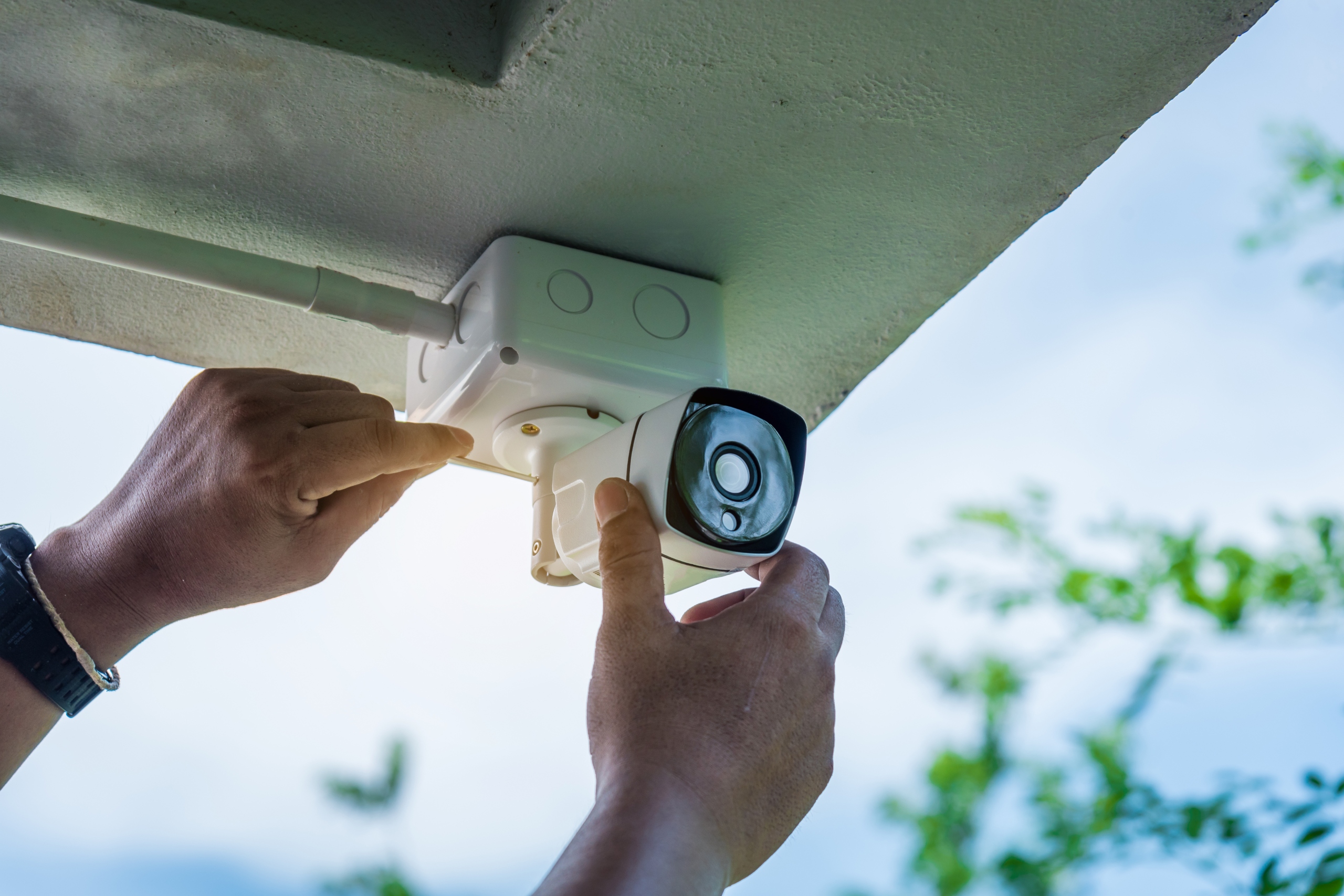
Observing surveillance laws
Depending on the nation or jurisdiction, different surveillance regulations may apply to the installation and operation of security cameras. It is crucial for the security camera installer to get informed with local rules and regulations before beginning any installation. These rules often specify where cameras may be installed, how they can be utilized, and what type of notice is necessary to warn people that they are being watched.
Notice and Consent
When people are videotaped without their knowledge or agreement, privacy issues emerge. In most areas, getting someone's permission to film them on their own property is a requirement. In certain places, there are even signs that explicitly state that there are cameras present. These rules must be followed to avoid legal repercussions and privacy rights violations.
Keeping Out of Unauthorized Areas
Keeping security cameras out of places with high privacy expectations, such bedrooms, bathrooms, or changing rooms, is a major privacy problem. To preserve people's privacy, there are restrictions on what may be filmed even in public areas. When choosing camera positions, a qualified security camera installer should use judgment and follow moral standards.
Protection of Data
Sensitive details about people and activities are visible in the security camera video. Consequently, it is essential to put in place strong data security procedures. To protect the privacy of those who have been filmed, encryption of stored data, limiting access to authorized people only, and routine deletion of video after a certain retention time are all necessary precautions.
Threats to Cybersecurity
Cyberattacks may be possible on security cameras that are linked to the internet. Unauthorized access to recorded and live streams might result from a hacked camera. In order to reduce possible hazards, a competent security camera installer should place a priority on cybersecurity, including strong passwords, regular firmware updates, and using secure network protocols.
Personnel Monitoring
Businesses must take into account extra legal ramifications while monitoring workers using security cameras. Employers may need to tell staff members about surveillance procedures and develop explicit camera use regulations depending on the jurisdiction. Privacy rights of employees must be upheld, and monitoring should only be utilized for necessary security reasons.
Conclusion
Property owners and security camera installer must be aware of the legal obligations and privacy issues related to this technology as security concerns continue to drive demand for security camera installations. A crucial component of every installation is compliance with surveillance laws, permission, and adequate notification. Additionally, protecting data privacy and protecting camera locations protects people's right to privacy. Businesses must make sure they are compliant with applicable laws and preserve employee privacy while monitoring workers, and cybersecurity measures are required to prevent unauthorized access to the camera system.