Hospital and Harvard Medical School, Boston 02114, USA.
[email protected]
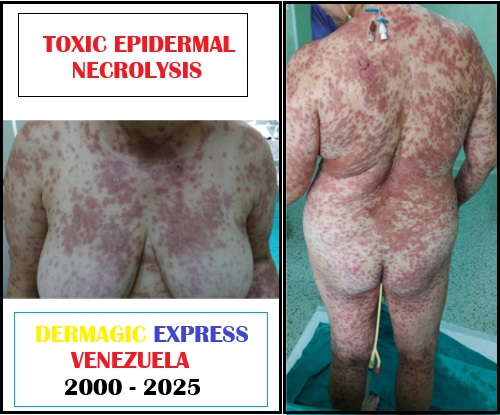
Toxic epidermal necrolysis (TEN) is a severe form of erythema
multiforme
that results in extensive epidermal sloughing; the condition
is associated with a mortality of up to 70%. From 1991 to 1998, 10
children with severe
toxic epidermal necrolysis were referred to a
regional pediatric burn
facility. Wounds were managed with strategy
involving prevention of
wound
desiccation and superinfection, including
the frequent use of biologic
wound coverings.
Children unable to guard their
airway because of
extensive
oropharyngeal involvement were
prophylactically intubated. Enteral
nutrition was stressed. Steroids were
not used and antibiotics were
administered to managed specific foci of
infection only. The 2 boys and
8
girls had an average age of 7.2+/-1.8
years (range 6 months to 15 years)
and sloughed surface area of 76+/-6% of the body surface
(range 50 to
95%).
Antibiotics (3 children), anticonvulsants (3
children), nonsteroidals (2
children), and viral syndrome or unknown agents (2 children)
were felt
to
have triggered the syndrome. Six children (60%) required
intubation for
an
average of 9.7+/-1.8 days (range 2 to 14 days).
Buccal
mucosal
involvement
occurred in 9 (90%) and ocular involvement in 9
(90%). Although
infectious
complications were common (2 pneumonias, 2
urinary infections, 1
bacteremia, 2 central line infections, and 2
candidemias), all children
survived after lengths of stay in the burn unit
averaging 19+/-3 (range
6
to 40) days.
The most common long-term
morbidity was keratitis sicca (2
children, 20%), finger nail deformities (3
children, 30%), and
variegated
skin pigment changes (5 children, 50%).
Although having both a cutaneous
and visceral wound that predispose them to infectious
complications,
most
children with TEN will survive if managed with a
strategy emphasizing
biologic wound closure, intensive nutritional support,
and early
detection
and treatment of septic foci. Burn units have the
resource set required
to
manage severe TEN and early referral of such
children may have a
favorable
impact on survival.
============================================================
2.) Toxic epidermal necrolysis following morbilli-parotitis-rubella
vaccination.
============================================================
J Eur Acad Dermatol Venereol 1999 Jul;13(1):59-61
Dobrosavljevic D, Milinkovic MV, Nikolic MM
Institute of
Dermatology, University Clinical Centre, Belgrade, Yugoslavia.
We present the first reported case of toxic epidermal
necrolysis (TEN)
caused by morbilli-parotitis-rubella (MPR) vaccine. A
13-year-old girl
developed TEN 7 days after she received live, attenuated,
triple MPR
vaccine. The history of drug intake and any illness was negative.
At
admission the patient was acutely ill with high fever. The whole body
was
erythematous. The epidermis was wrinkled and the Nikolsky sign was
positive. Numerous erosions were present on the lips and genital region.
On
the seventh day of illness, the eruption involved 80% of the skin.
Systemic
corticosteroid therapy was not employed. The skin and mucosal
defects
completely epithelized by the end of the third week of illness. Mild
keratoconjunctivitis sicca remained because of permanent cup cell
damage.
============================================================
3.) Acute myocardial infarction following toxic epidermal necrolysis?
============================================================
Clin Exp
Dermatol 1999 Sep;24(5):375-8
Hirakawa S, Ohtsu T, Ojima Y, Kouchi H, Uchida S, Kanzaki H,
Arata J
Department of Dermatology, Okayama University Medical School, Japan.
[email protected]
We describe a 29-year-old woman with rheumatoid arthritis who
suffered
an
acute myocardial infarction 70 days after an initial
presentation with
toxic epidermal necrolysis (TEN). The trigger for the TEN
was probably
an
over-the-counter anti-influenza treatment containing
tipepidine
hibenzate.
Although the patient had familial
hypercholesterolemia, we believe that
thrombocytosis, induced by the
inflammatory response and metabolic
stress
resulting from the TEN, may
also have played a significant role in the
pathogenesis of the myocardial
infarction. Although TEN manifests itself
principally as a skin disease, the potential for systemic
morbidity,
including cardiovascular abnormalities, should also be
remembered.
============================================================
4.) Fulminant toxic epidermal necrolysis induced by trovafloxacin.
============================================================
Arch Intern Med
1999 Oct 11;159(18):2225
Matthews MR, Caruso DM, Phillips BJ, Csontos LG
Publication Types:
Letter
============================================================
============================================================
5.) Thalidomide-induced toxic epidermal necrolysis.
============================================================
Pharmacotherapy
1999 Oct;19(10):1177-80
Horowitz SB, Stirling AL College of Pharmacy and Allied
Health Professions, St. John's University,
Jamaica, New York 11439, USA.
Toxic epidermal necrolysis (TEN) is a severe dermatologic
disorder
associated with mortality of up to 30%. Withdrawal of the causative
agent
is crucial in its management. Although thalidomide-induced
dermatologic
disorders rarely were reported before thalidomide was
administered to
patients positive for the human immunodeficiency virus,
hypersensitivity
reactions including rash are the agent's major dose-limiting
toxicities
in
this population.
As it is prescribed for other
immunosuppressed
patients,
such as those with malignancies, the
frequency of dermatologic reactions
(including TEN) may increase. A 62-year-old woman developed
TEN after
approximately 5 weeks of thalidomide therapy for the treatment of
a
glioblastoma.
============================================================
6.) Skin coverage with Biobrane biomaterial for the treatment of
patients
with toxic epidermal necrolysis.
============================================================
J Burn Care
Rehabil 1999 Sep-Oct;20(5):406-10
Arevalo JM, Lorente JA
Servicio de Cirugia Plastica,
Hospital Universitario de Getafe, Madrid, Spain.
Toxic epidermal necrolysis (TEN) is an exfoliative skin
disorder that
may
involve a large body surface area and mucosal
surfaces. The microscopic
changes that occur with this condition are similar
to those that occur
with
superficial dermal burns, such as dermal
detachment from the underlying
dermis. Complications of TEN are related to
the loss of the epithelial
skin
barrier and include pain, fluid and
electrolyte loss, and an increased
risk
of sepsis.
The treatment of a
patient with TEN is best accomplished in a
burn unit, where expert treatment of these complications can
be
provided.
Medical treatment includes the administration of
immunosuppressive
therapy
and the discontinuation of any previous
corticosteroid treatment.
Surgical
management includes the debridement
of necrotic areas.
In this article,
the
surgical management of 8
consecutive patients with TEN who were admitted
to
the intensive care
burn unit at the Hospital Universitario de Getafe in
Madrid, Spain, from
1996 to 1998 is described. These patients were
treated
with extensive
early debridement of necrotic skin areas followed by
wound
coverage with
Biobrane (Dow B. Hickam, Inc, Sugarland, Tex), a temporary
semisynthetic skin substitute.
Skin coverage with this
material
decreases
pain and fluid loss, and it possibly facilitates
epithelization and
decreases the risk of sepsis, without adverse side
effects. This
semisynthetic material meets some standards of an ideal skin
substitute:
it
is easy to use, provides several beneficial physiologic
effects, and
improves patients' comfort. In the 8 cases of patients with TEN
that
were
studied, the use of Biobrane skin substitute for the coverage
of massive
areas of detached skin was found to be an important aspect of
treatment.
============================================================
7.) Captopril-induced toxic epidermal necrolysis and agranulocytosis
successfully treated with granulocyte colony-stimulating factor.
============================================================
South Med J
1999 Sep;92(9):918-20
Winfred RI, Nanda S, Horvath G, Elnicki M
Department of
Medicine, West Virginia University School of Medicine,
Morgantown
26505-9214, USA.
Captopril-induced bone marrow suppression is rare, except in
certain
high-risk patient populations. Severe exfoliative rashes have also
been
associated with captopril, but a combined presentation of toxic
epidermal
necrolysis and agranulocytosis has not been previously described.
We
report
an unusual case of captopril-induced toxic epidermal
necrolysis with
agranulocytosis in a patient with no known risk factors.
The
bone marrow
suppression was successfully treated using granulocyte
colony-stimulating
factor (G-CSF), and the white blood cell (WBC) count
recovered within 3
days after starting therapy. This case underscores the
early experience
with captopril, which showed a strong correlation between
high doses
used
to treat hypertension and bone marrow suppression.
============================================================
8.) Epidermal calprotectin in drug-induced toxic epidermal necrolysis.
============================================================
J Cutan Pathol
1999 Jul;26(6):301-5
Paquet P, Pierard GE
Department of Dermatopathology,
University of Liege, CHU Sart Tilman, Belgium.
Calcium ions (Ca++) in excess alter cell viability. Their
potential role
in
drug-induced toxic epidermal necrolysis (TEN) was
investigated. Thirteen
TEN patients were biopsied at the site of early bullous
lesions and on
clinically normal-looking skin at least 2 cm distant from
blisters.
Immunohistochemistry was applied using the mouse monoclonal
antibody Mac
387 recognizing the cytosolic protein complex L1
(calprotectin).
The L1
antigen is a calcium-binding protein expressed by
human granulocytes,
monocytes-macrophages and injured epidermis, but not by
normal epidermis
and other cells harboured in the skin. The majority (8/13) of
TEN
samples
from apparently non-involved skin expressed the L1 antigen
in a
patch-like
pattern inside the epidermis where inflammatory cells
were scant or
absent.
As assessed by computerized image analysis of TEN
bullous skin, the
intensity of the L1 expression in the epidermis was not
statistically
correlated with the amount of the infiltrating inflammatory
cells (Mac
387+
macrophages, UCLH1 + T lymphocytes and Factor XIIIa+
dendrocytes)
present
in the dermis and in the epidermis. Such findings
suggest a key role for
keratinocytes in the production of the L1 calcium-binding
complex.
As the
L1 complex formation is a calcium-dependent process, one
of the first
biological events in TEN could be a dramatic increase in
keratinocytes
intracellular Ca++ concentration following damage by the
involved drug
metabolites. The ultimate toxic cell dysregulation would
result from the
disturbance in the intracellular Ca++ homeostasis.
============================================================
9.) Toxic epidermal necrolysis and graft vs. host disease: a clinical
spectrum but a diagnostic dilemma.
============================================================
Clin Exp
Dermatol 1999 Jul;24(4):260-2
Stone N, Sheerin S, Burge S
Department of Dermatology,
Stoke Mandeville Hosptial, Aylesbury, UK.
We describe a 53-year-old man who developed partial and full
thickness
skin
loss associated with pyrexia, diarrhoea, liver, renal and
bone marrow
failure, during treatment for an aggressive B cell lymphoblastic
lymphoma.
The clinical features and histology were compatible with both
toxic
epidermal necrolysis and graft vs. host disease, causing a diagnostic
and
therapeutic dilemma. We discuss the possibility that methotrexate
was
the
causative drug, with review of its cutaneous side-effects.
Histologically
our patient demonstrated the sparse dermal infiltrate with
full
thickness
epidermal necrosis typical of toxic epidermal necrolysis
and graft vs.
host
disease. We discuss this finding with respect to the
pathogenesis of
toxic
epidermal necrolysis.
============================================================
10.) Dermatological adverse effects with the antimalarial drug
mefloquine:
a review of 74 published case reports.
============================================================
Clin Exp
Dermatol 1999 Jul;24(4):249-54
Smith HR, Croft AM, Black MM
St. John's Institute of
Dermatology, St Thomas' Hospital, London UK.
Mefloquine is a relatively new antimalarial drug which has
been
associated
with a wide variety of adverse effects, including skin
reactions. In
order
to evaluate the range and frequency of mefloquine's
dermatological
effects,
we searched the scientific literature for
published case reports of such
effects.
We found 74 case reports, published between the years
1983 and
1997. Pruritus and maculopapular rash are the dermatological
effects
most
commonly associated with mefloquine: their approximate
frequency is
4-10%
for pruritus, and up to 30% for nonspecific
maculopapular rash. Adverse
effects associated less commonly with mefloquine
include urticaria,
facial
lesions and cutaneous vasculitis.
One case of
Stevens-Johnson syndrome
and
one fatal case of toxic epidermal
necrolysis occurred. Appropriate
primary
studies of mefloquine use
should be carried out to elucidate the
epidemiology and aetiology of
dermatological and other adverse effects
of
the drug.
============================================================
11.) Toxic epidermal necrolysis in acquired immunodeficiency syndrome
treated with intravenous gammaglobulin.
============================================================
Australas J
Dermatol 1999 Aug;40(3):153-7
Phan TG, Wong RC, Crotty K, Adelstein S
Department of
Clinical Immunology, Royal Prince Alfred Hospital,
Camperdown, New South
Wales, Australia. [email protected]
A 31-year-old man with the acquired immunodeficiency syndrome
who
developed
toxic epidermal necrolysis (TEN) was successfully treated
with
intravenous
immunoglobulin. He presented with a widespread,
blistering skin rash,
extensive mucosal ulceration, high-grade fever and
pancytopaenia.
Nevirapine, a non-nucleoside reverse transcriptase inhibitor,
was
suspected
as the culprit drug, although the patient had been taking
this
medication
for 6 months. The patient also demonstrated an increased
number of
gamma/delta (gamma delta) T cells that decreased concomitantly
with his
clinical improvement. This correlation has not been described in
TEN
previously and may be of pathophysiological significance.
============================================================
12.) Clinical manifestations and outcomes in 17 cases of Stevens-Johnson
syndrome and toxic epidermal necrolysis.
============================================================
Australas J
Dermatol 1999 Aug;40(3):131-4
Wong KC, Kennedy PJ, Lee S
Concord Repatriation General
Hospital, Sydney, New South Wales,
Australia.
The clinical features and outcomes of 17 patients with
Stevens-Johnson
syndrome (SJS) or toxic epidermal necrolysis (TEN) were
retrospectively
reviewed. There were 11 males and six females with an
average age of
61.5
years. Ten patients with SJS (seven males, three
females) and seven
patients with TEN (four males, three females) were
identified.
Antibiotics,
mainly beta-lactams, were the most common cause
of SJS/TEN in this
series.
The mean skin loss in TEN was 45.7% total
body surface area in contrast
to
the lesser skin loss (< 10%) observed
in three patients with SJS.
Complications included septicaemia, pneumonia
and multi-organ failure,
mainly in the TEN group. Two patients died from
TEN-related
complications
and one patient with SJS died from unrelated
causes. Ocular involvement
and
skin pigmentary changes represented the
most significant long-term
sequelae.
============================================================
13.) Treatment issues in the care of patients with toxic epidermal
necrolysis.
============================================================
Burns 1999 Aug;25(5):439-42
Smoot EC 3rd
University of Tennessee at Memphis,
Department of Surgery, USA.
A review of current medical literature is presented to
summarize
treatment
issues of ongoing controversy in the care of
patients with toxic
epidermal
necrolysis. Terminology for the disease
spectrum may be confusing and is
discussed. Steroid treatment recommendations from the allergy
and
immunology literature are contrasted with burn center findings for
optimal
treatment. Issues of when to stop offending trigger medications, the
value
of a diagnostic biopsy, timing of hospitalization and the
importance of
prospective organ system monitoring are addressed.
============================================================
14.) [Erythema multiforme. A heterogeneous pathologic phenotype].
============================================================
Minerva
Stomatol 1999 May;48(5):217-26
Carrozzo M, Togliatto M, Gandolfo S
Dipartimento di Fisiopatologia Clinica, Universita degli Studi, Torino.
[email protected]
The term Erythema Multiforme (EM) include actually a wide
range of
clinical
expressions, from exclusive oral erosions (Oral EM) to
mucocutaneous
lesions (EM Minor), sometimes with severe involvement of
multiple
mucosal
membrane (EM major, Stevens-Johnson syndrome [SJS]) or
with involvement
of
a large area of the total body surface (toxic
epidermal necrolysis
[TEN]).
However, this terminology is not worldwide
accepted and often the
various
clinical categories show some overlapping
features.
Among the great
number
of suspected etiological factors,
herpes simplex virus is involved in
many
cases of EM minor whereas SJS
and TEN are caused in 80% of cases by
systemic drugs, mainly by
anticonvulsivants, sulfonamides, nonsteroidal
anti-inflammatory drugs and
antibiotics. Several oral EM seem
idiopathic,
but data on this topic are
very few.
There is no specific or consistent
microscopic and
immunopathologic pattern of EM and the diagnosis should
be
done by
excluding other similar diseases. The treatment include the use
of
antivirals for EM minor, mainly if recurrent, and of immunosuppressants
(especially systemic corticosteroids) for SJS. TEN patients require
adequate
supportive care and often they have to be treated in emergency
departments.
Finally, patients with exclusive oral lesions may be
treated
with both
topical and systemical corticosteroids.
============================================================
15.) Blister fluid cytokines in cutaneous inflammatory bullous
disorders.
============================================================
Acta Derm Venereol 1999 Jul;79(4):288-90
Rhodes LE, Hashim IA, McLaughlin PJ, Friedmann PS
Department of Dermatology, University of Liverpool, UK.
Cytokines are important regulators of immune and inflammatory
reactions
in
the skin, and may contribute to inflammatory blister
induction. We
examined
the profiles of interleukin-6 (IL-6) and tumour
necrosis factor-alpha
(TNF-alpha) in fluid of spontaneous blisters in the
immune-based
inflammatory disorders bullous pemphigoid (8 patients),
allergic contact
dermatitis (5 patients) and toxic epidermal necrolysis (5
patients).
These
were compared with levels in 9 patients with burns,
i.e. inflammatory
blisters of non-immune aetiology, and 4 patients with
blisters of
physical
origin. Very high levels of IL-6 were found in
bullous pemphigoid and
toxic
epidermal necrolysis (p<0.001) compared
with non-inflammatory and burn
blisters. TNF-alpha levels were high in
bullous pemphigoid and burns,
but
undetectable in non-inflammatory
blisters.
The pattern in bullous
pemphigoid (very high IL-6, high TNF-alpha)
differed substantially from
toxic epidermal necrolysis (very high IL-6, low
TNF-alpha), while burns
and
allergic contact dermatitis showed lesser
elevation of both cytokines.
Hence, differences in cytokine profiles were
identified, although the
relevance to underlying pathomechanisms is
uncertain.
============================================================
16.) Risk of Stevens-Johnson syndrome and toxic epidermal necrolysis
during
first weeks of antiepileptic therapy: a case-control study. Study
Group
of
the International Case Control Study on Severe Cutaneous
Adverse
Reactions.
============================================================
Lancet 1999 Jun
26;353(9171):2190-4
Rzany B, Correia O, Kelly JP, Naldi L, Auquier A, Stern R
Department of Dermatology, Fakultat fur Klinische Medizin Mannheim der
Universitat Heidelberg, Mannheim, Germany.
[email protected]
BACKGROUND: There is still controversy about whether all
antiepileptic
drugs are associated with the severe cutaneous reactions
Stevens-Johnson
syndrome (SJS) and toxic epidermal necrolysis (TEN). We have
studied the
role of antiepileptic drugs in SJS and TEN, taking into
account
potential
cofactors that might confound or modify the risk.
METHODS: The
case-control
study in France, Italy, Germany, and Portugal
identified cases of
SJS/TEN
that developed when the patient was not in
hospital and were validated
by
an expert committee. Controls were
patients admitted to the same
hospital
as the case for an acute illness
or an elective procedure.
FINDINGS: 73
(21%) of the 352 SJS/TEN cases and 28
(2%) of the 1579 controls reported
intake of antiepileptic drugs. Among the 73 exposed SJS and
TEN
patients,
36 reported intake of phenobarbital, 14 of phenytoin, 21
of
carbamazepine,
13 of valproic acid, and three of lamotrigine. Risk
was highest in the
first 8 weeks after onset of treatment. For individual
antiepileptic
drugs
the univariate relative risk of SJS/TEN for 8 weeks
or less of use was
57
(95% CI 16-360; multivariate risk 59 [12-302]) for
phenobarbital; 91
(26-infinity) for phenytoin; 120 (34-infinity) for
carbamazepine; 25
(5.6-infinity) for lamotrigine, and 24 (5.9-infinity) for
valproic acid.
The result for valproic acid was based on four case users, all
of whom
reported concurrent use of other associate drugs. The univariate
relative
risk for more than 8 weeks of use was 6.2 (2.4-17.0; multivariate
risk
2.1
[0.5-9.3]) for phenobarbital, 1.2 (0-5.4) for phenytoin, 0.4
(0.02-2.1)
for
carbamazepine, and 7.0 (2.4-21.0; multivariate risk 2.0
[0.3-15.0]) for
valproic acid. INTERPRETATION:
SJS and TEN are associated
with
short-term
therapy with phenytoin, phenobarbital, and
carbamazepine. The
association
with valproic acid seems to be confounded
by concomitant short-term
therapy
with other causal drugs. Lamotrigine
also has the potential for severe
skin
reactions. The period of
increased risk is largely confined to the first
8
weeks of treatment.
============================================================
17.) Toxic epidermal necrolysis occurring as a consequence of treatment
with foscarnet.
============================================================
Cutis 1999 Jun;63(6):333-5
Wharton JR, Laughlin C, Cockerell CJ
Department of
Dermatology, University of Arkansas Medical Center, Little
Rock, USA.
Toxic epidermal necrolysis (TEN) has been shown to occur
following
administration of many different medications. Recently, we
observed a
patient who sustained a severe case of TEN shortly following the
administration of foscarnet. Since this agent has not been previously
associated with this complication, we report the first case of TEN
occurring
secondary to treatment with foscarnet.
============================================================
18.) Progressive bronchial obstruction associated with toxic epidermal
necrolysis.
============================================================
Respirology 1999 Mar;4(1):93-5
Minamihaba O, Nakamura H, Sata M, Inage M, Shirakabe M, Tanida
H, Osada Y,
Kondo S, Tomoike H
First Department of Internal
Medicine, Yamagata University School of Medicine, Japan.
Toxic epidermal necrolysis (TEN) is an acute life-threatening
condition,
characterized by erosion of the mucous membranes, extensive
detachment
of
the epidermis, and severe constitutional symptoms.
Pulmonary
complications
of TEN are reported as rare, but are one of the
most common causes of
death.
Our report focuses on an unusual case of toxic
epidermal
necrolysis
which showed multiple bronchial obliteration during
the chronic phase of
the disease. Biopsied tissue of the obliterated bronchi
demonstrated
non-specific granulation. To improve the obliterated
ventilatory
function,
we tried to reopen the bronchial obliteration
using a balloon catheter
under the guidance of fibreoptic bronchoscopy,
however rapid restenosis
of
the bronchi ensued.
============================================================
19.) Would cyclosporin A be beneficial to mitigate drug-induced toxic
epidermal necrolysis?
============================================================
Dermatology
1999;198(2):198-202
Paquet P, Pierard GE
Department of Dermatopathology,
University of Liege, Belgium.
[email protected]
Drug-induced toxic epidermal necrolysis (TEN) is a rare
life-threatening
disease whose mortality remains high. The treatment of the
disease is
badly
settled. Several kinds of drugs have been tested,
including systemic
corticosteroids, cyclophosphamide, pentoxifylline and
thalidomide, but
without any clear-cut outcome. Cyclosporin A (CsA) has many
inhibitory
effects on the main cell populations involved in TEN (T
lymphocytes,
macrophages and keratinocytes).
CsA could also act on tumor
necrosis
factor
alpha metabolism, a cytokine which is important in TEN
epidermal
destruction. Moreover, apoptosis is the mechanism leading to
keratinocyte
death and CsA has antiapoptotic properties. CsA has already
been used
successfully on a limited series of TEN patients. We have reviewed
the
potential theoretical useful effects of CsA in TEN. We conclude that CsA
could be a good candidate to reverse TEN progression.
============================================================
20.) Regulatory function of factor-XIIIa-positive dendrocytes in
incipient
toxic epidermal necrolysis and graft-versus-host reaction. A
hypothesis.
============================================================
Dermatology 1999;198(2):184-6
Hermanns-Le T, Paquet P, Pierard-Franchimont C, Arrese JE,
Pierard GE
Department of Dermatopathology, University Medical Center of
Liege, Belgium.
BACKGROUND: Lymphocyte-poor graft-versus-host-reaction (GVHR)
and toxic
epidermal necrolysis (TEN) share some histological resemblance. In
both
diseases, factor-XIIIa-positive dendrocytes show some morphological
changes, probably as a response to altered cytokine environment.
OBJECTIVE:
To study the ultrastructural aspect of boosted dendrocytes in GVHR and
TEN.
METHODS: Sixty GVHR and 25 TEN lesions were examined using
immunohistochemistry. Among them, 6 dendrocyte-rich cases of each
disease
were studied by electron microscopy.
RESULTS: Dendrocyte activation with
enlarged endoplasmic reticulum, and collagen fiber and mast
cell granule
phagocytosis were evidenced in both diseases. Depletion in
dendrocytes
was
only encountered in a few GVHR cases exhibiting
specifically a sclerotic
aspect in the superficial dermis.
CONCLUSION:
Factor-XIIIa-positive
dendrocytes probably play a role in the regulation of
the connective
tissue
remodeling that may accompany epidermal
destruction.
============================================================
21.) A study of the efficacy of plasmapheresis for the treatment of drug
induced toxic epidermal necrolysis.
============================================================
Ther Apher 1998
May;2(2):153-6
Yamada H, Takamori K, Yaguchi H, Ogawa H
Department of
Dermatology, International Goodwill Hospital, Yokohama, Japan.
The efficacy of plasmapheresis for the treatment of toxic
epidermal
necrolysis (TEN) in our patient and related reports in the
literature
were
examined. The patient, a 41-year-old female, was
diagnosed as having
drug
(Sedes-G [isopropylantipyrin,
arylisopropylacetoureid, and
phenacetinum])
induced TEN. Upon admission
to our hospital, extensive corticostroid
therapy was initiated. After 6
days, because more than 90% of the
patient's
body surface was affected
by TEN, it was concluded that the patient was
unresponsive to corticosteroid
therapy.
Double filtration plasmapheresis
(DFPP) was therefore begun. After 2 sessions of DFPP,
extensive
reepithelialization rapidly occurred, and after 3 sessions of
DFPP, the
improvement was dramatic. The patient's condition had almost
healed
during
1 month's hospitalization. It has been reported in the
literature that
22
patients with drug induced TEN have been treated with
plasmapheresis.
The
mortality rate of 23 patients, including our
patient, was 17.4%. The
rate
of effectiveness of plasmapheresis on drug
induced TEN is 82.6%.
It
appears
that some kind of necrolytic factors
were removed by the plasmapheresis.
This suggests that plasmapheresis may be an effective
treatment for drug
induced TEN.
============================================================
22.) Lyell syndrome and Stevens-Johnson syndrome caused by lamotrigine].
============================================================
Ann Dermatol Venereol 1999 Jan;126(1):46-8
Bocquet H, Farmer M, Bressieux JM, Barzegar C, Jullien M, Soto
B, Roujeau JC, Revuz J
Service de dermatologie, Hopital Henri
Mondor, Creteil.
BACKGROUND: Lamotrigine is a new anticonvulsant belonging to
the
triazine
family. Several cases of Stevens-Johnson syndrome (SJS) and
toxic
epidermal
necrolysis (TEN) have been described in patients taking
this drug. We
report 2 cases in children attending the same hospital.
CASE REPORTS:
Two
children, aged 9 and 13 years, developed SJS and TEN
respectively, 3 and
28
days after lamotrigine was added to their usual
anticonvulsant regimen.
In
both cases, outcome was favorable despite
major decline in psychomotor
capacity in one. In the first case,
chronological attributability was
plausible for lamotrigine and doubtful for
sodium valproate, clonazepam
and
hydrocortisone. In the second case,
chronological attributability was
probable for amoxicillin, plausible for
lamotrigine and doubtful for
sodium
valproate, but the numerous previous
absorptions of amoxicillin made
lamotrigine more suspect.
DISCUSSION: The
risk of Steven-Johnson
syndrome
and toxic epidermal necrolysis is high
with lamotrigine with an
estimated
frequency of 1/1000. This risk is
probably higher than with other
anticonvulsants. Associating lamotrigine
with sodium valproate increases
the frequency of adverse skin reactions.
============================================================
23.) Plasmapheresis as an adjunct treatment in toxic epidermal
necrolysis.
============================================================
J Am Acad Dermatol 1999 Mar;40(3):458-61
Egan CA, Grant WJ, Morris SE, Saffle JR, Zone JJ
Salt Lake
City Veterans Affairs Medical Center, Department of Dermatology,
University of Utah School of Medicine, USA.
BACKGROUND: Toxic epidermal necrolysis (TEN) is a severe,
progressive
disease characterized by the sudden onset of skin necrosis. It
is
frequently associated with systemic involvement and has a high rate of
morbidity and mortality. Standard therapy includes meticulous wound
care,
fluid replacement, and nutritional support in an intensive care
setting.
OBJECTIVE: We evaluated the outcomes of patients treated in a
burn unit
for
TEN over a 9-year period and compared the outcomes of a
subset of
patients
treated with plasmapheresis with those managed by
conventional means.
METHODS: The records of 16 patients with a diagnosis of
TEN obtained
from a
computerized database were reviewed. Parameters
recorded included extent
of
body surface area involvement and number of
mucous membranes involved at
admission, complications such as sepsis or need for mechanical
ventilation,
length of stay, and disposition.
RESULTS: Sixteen patients
were included
in
this study. Ten were treated with conventional support
measures alone.
Six
were treated with plasmapheresis. The average age
was 42.4 years; the
male/female ratio was 1:2.2.
Sulfamethoxazole/trimethoprim was
implicated
in causation in 6 patients.
The average extent of involvement on
admission
in all patients was 51.5%
total body surface area. The average length of
stay in all patients was 14.8 days. Eight patients (50%) were
discharged
home, 4 (25%) were discharged to a rehabilitation facility,
and 4 (25%)
died (2 of sepsis, 2 of cardiopulmonary arrest). None of the
plasmapheresis-treated patients died.
CONCLUSION: Plasmapheresis is a
safe
intervention in extremely ill TEN patients and may reduce the mortality
in
this severe disease. Prospective studies are needed to further define
its
usefulness.
============================================================
24.) Biological skin covers in treatment of two cases of the Lyell's
syndrome.
============================================================
Ann Transplant 1997;2(1):45-8
Klein L, Mericka P, Strakova H, Jebavy L, Nozickova M, Blaha
M, Talabova Z, Hosek F
Dept. of Plastic Surgery and Burns Treatment,
Teaching Hospital Purkinje
Military Medical Academy. [email protected]
The treatment of two cases of toxic epidermal necrolysis
(Lyell's
syndrome)
is described. Although some features were common for
both ones (young
men
practically of the same age, reaction after using
the same drug) the
clinical course of illness was very different.
Spontaneous
epithelisation
of partial-thickness lesions and definitive
healing under the xenografts
in
one patient and full-thickness skin-loss
on 12% of body surface with
severe
septic complications requiring
application of cultured keratinocytes
and/or
skin autografting in the
other patient were the main differences. The
interdisciplinary approach
using a burns treatment protocol in
non-burned
patient including the
close co-operation with the tissue bank in
preparing
different types of
biological covers has been applied.
============================================================
25.) Hypopharyngeal stenosis and dysphagia complicating toxic epidermal
necrolysis.
============================================================
Arch Otolaryngol Head Neck Surg 1998 Dec;124(12):1375-6
Barrera JE, Meyers AD, Hartford EC
Department of
Otolaryngology-Head and Neck Surgery, University of Colorado Health
Sciences Center, Denver, USA.
Toxic epidermal necrolysis is a severe dermatologic disorder
clinically characterized by the acute onset of erythema and tenderness of
the skin.
Destruction of the epidermal barrier results in significant
morbidity
and
mortality. Large erosions of mucous membrane, including
the mouth and
oral
mucosa, are typical of toxic epidermal necrolysis.
After ingesting
naproxen
sodium (Aleve) and aspirin, a previously
healthy 43-year-old woman
developed toxic epidermal necrolysis that resulted
in hypopharyngeal
stenosis complicated by dysphagia and recurrent
aspiration.
============================================================
26.) Soluble fractions of tumor necrosis factor-alpha, interleukin-6 and
of
their receptors in toxic epidermal necrolysis: a comparison with
second-degree burns.
============================================================
Int J Mol Med
1998 Feb;1(2):459-62
Paquet P, Pierard GE
Department of Dermatopathology,
University of Liege, Liege, Belgium.
Drug-induced toxic epidermal necrolysis (TEN) is a rare
bullous disease
characterized by severe epidermal necrosis and sloughing.
Soluble
TNF-alpha(sTNF-alpha), soluble IL-6 (sIL-6) and their reactive
soluble
receptors (sTNF-Rp55 or-R1, sTNF-Rp75 or-R2, sIL-6R) were quantified
in
blister fluid and serum of 6 TEN patients and 13 cases of second-degree
burn. The amounts of sTNF-alpha, sTNF-R1 and sTNF-R2 were significantly
higher in TEN blisters than in burns reflecting the probable involvement
of
the TNF-alpha system in the specific pathomechanism of TEN. The ratio
sTNF-alpha/sTNF-R2 was significantly lower in TEN blisters than in
burns.
The concentrations of sTNF-R2 in TEN blisters and serums were
significantly
greater than those of sTNF-R1. This suggests a potential
important role
for
sTNF-R2 in TEN by enhancing the cytotoxic effect of
TNF-alpha. In
addition,
both sTNF-R1 and sTNF-R2 were significantly more
abundant in TEN
blisters
than in serums, indicating that the TNF-alpha
processing was mainly a
local
event in the TEN skin. No significant
difference could be established
for
sIL-6 and sIL-6R between TEN and
burns. Although a role for IL-6 cannot
be
ruled out, its production has
no specific characteristics in TEN
compared
to burns.
============================================================
27.) Randomised comparison of thalidomide versus placebo in toxic
epidermal
necrolysis.
============================================================
Lancet 1998 Nov
14;352(9140):1586-9
Wolkenstein P, Latarjet J, Roujeau JC, Duguet C, Boudeau S,
Vaillant L, Maignan M, Schuhmacher MH, Milpied B, Pilorget A, Bocquet H,
Brun-Buisson C, Revuz J
Department of Dermatology, Hopital Henri-Mondor,
University Paris XII, Creteil, France.
BACKGROUND: Toxic epidermal necrolysis (TEN) is associated
with a 30%
death
rate. Tumour necrosis factor alpha (TNF-alpha) has been
implicated in
the
pathogenesis of TEN. Thalidomide is a potent inhibitor
of TNF-alpha
action.
We did a double-blind, randomised,
placebo-controlled study of
thalidomide
in TEN.
METHODS: The patients
received a 5-day course of thalidomide 400
mg
daily or placebo. The main
endpoint was the progression of skin
detachment
after day 7. Secondary
endpoints were the severity of the disease,
evaluated with the simplified
acute physiology score (SAPS), and the
mortality. TNF-alpha and interleukin
6 were measured.
FINDINGS: The
study
was stopped because there was
excess mortality in the thalidomide
group--ten of 12 patients died compared
with three of ten in the placebo
group (Fisher's exact test with Katz's approximation, relative
risk=2.78,
p=0.03). After adjustment for SAPS, mortality remained
significantly
higher
in the thalidomide group than in the placebo group
(exact logistic
regression mid-p=0.007; 95% CI for odds ratio 2.7 to
infinity). Plasma
TNF-alpha concentration was higher in the thalidomide
group than the
placebo group on day 2, though the difference was not
significant
(Wilcoxon
rank-sum test p=0.07).
INTERPRETATION: Even though
few patients were
included, our data suggest that thalidomide is detrimental
in TEN,
possibly
because of a paradoxical enhancement of TNF-alpha
production.
============================================================
28.) [Ocular manifestations and sequelae of Lyell syndrome caused by
sulfadoxine-pyrimethamine in Cameroon].
============================================================
J Fr Ophtalmol
1998 Jan;21(1):72-7
Moussala M, Binam F, Nkam M, Kouda Zeh A, Bengono G
Departement d'Ophtalmologie, Faculte de Medecine et des Sciences
Biomedicales, Universite de Yaounde I, Cameroun.
We report a Lyell syndrome secondary to anti-malarial
treatment with
sulfadoxine-pyrimethamine. Eye lesions predominated:
symblepharon and
corneal opacification. Desinsertion of conjunctival
synechias was
performed
by ophthalmologists. There were corneal
opacities and fibro-vascular
veil
on the two eyes. A keratoprosthesis
was done on one eye. It is very
likely
that the incidence of this
syndrome will increase mainly because of two
factors.
The continuous
increase of plasmodii resistance to chloroquine
hence the more frequent use
of sulfonamides for the treatment of
malaria;
secondly, sulfonamides are
used in the treatment and prevention of
opportunistic infections in AIDS
patients. It is important for
ophthalmologists in tropical areas to be aware
of Lyell's syndrome so
that
proper and early management may be
undertaken.
============================================================
29.) Fatal toxic epidermal necrolysis associated with use of terconazole
vaginal suppository.
============================================================
J Cutan Med
Surg 1998 Oct;3(2):85-7
Searles GE, Tredget EE, Lin AN
Division of Dermatology and
Cutaneous Sciences, University of Alberta, Canada.
============================================================
============================================================
30.)Lamotrigine-induced severe cutaneous adverse reactions.
============================================================
Epilepsia
1998;39 Suppl 7:S22-6
Schlienger RG, Shapiro LE, Shear NH
Division of Clinical
Pharmacology, Sunnybrook Health Science Centre, University of Toronto,
Ontario, Canada.
PURPOSE: We systematically reviewed and analyzed published and
unpublished
cases of Stevens-Johnson syndrome (SJS), or toxic epidermal
necrolysis
(TEN) associated with lamotrigine (LTG) therapy to identify
characteristics
of these reactions.
METHODS: We performed a MEDLINE search
(January 1985
to
April 1998) and citation tracking for published
reports. In addition,
reports were requested from the Uppsala Monitoring
Centre of the World
Health Organization (WHO). Published and WHO cases of
LTG-associated SJS
or
TEN were included if the causal relationship was
assessed as either
possible, probable, or definite.
RESULTS: We identified a
total of 57
cases
(43 cases of SJS, 14 cases of TEN), of which 13 (23%)
were published.
Cases
in the SJS group were significantly younger than
in the TEN group (21
years
vs. 31 years). The median time to onset (17
days for SJS and TEN) and
the
median dosage at onset (50 mg vs. 87.5 mg)
for SJS and TEN did not
differ
significantly. Concomitant use of
valproate (VPA) was reported in 74% of
the SJS cases and 64% of the TEN cases. In three cases, TEN
was the
cutaneous manifestation of the antiepileptic drug hypersensitivity
syndrome
(AHS).
CONCLUSIONS: The main features of severe cutaneous drug
reactions,
such as dosage, onset, and concomitant VPA use, do not differ
in
patients
with LTG-induced SJS or TEN. SJS or TEN may also be the
cutaneous
manifestations of LTG-induced AHS. Further epidemiologic studies
are
needed
to identify the incidence of severe LTG-induced cutaneous
adverse
reactions
and the relative risk compared with other AEDs.
============================================================
31.) Cotrimoxazole induced toxic epidermal necrolysis in a suspected
case
of Pneumocystis carinii pneumonia with human immuno deficiency virus
infection.
============================================================
Indian J Chest Dis Allied Sci 1998 Apr-Jun;40(2):125-9
Arora VK, Venubabu K Department of Tuberculosis and Chest
Diseases, J.I.P.M.E.R., Hospital,
Pondicherry.
Toxic epidermal necrolysis due to trimethoprim
sulphamethoxazole therapy
in
a subject of HIV with suspected
pneumocystis carinii pneumonia, is
reported, because of its rarity in Indian
conditions. Patient showed
excellent recovery on corticosteroid therapy.
============================================================
32.) Inhibition of toxic epidermal necrolysis by blockade of CD95 with
human intravenous immunoglobulin.
============================================================
Science 1998
Oct 16;282(5388):490-3
Viard I, Wehrli P, Bullani R, Schneider P, Holler N, Salomon
D, Hunziker T, Saurat JH, Tschopp J, French LE
Department of
Dermatology, Geneva University Medical School, CH-1211 Geneva 4,
Switzerland.
Toxic epidermal necrolysis (TEN, Lyell's syndrome) is a severe
adverse
drug
reaction in which keratinocytes die and large sections of
epidermis
separate from the dermis. Keratinocytes normally express the death
receptor
Fas (CD95); those from TEN patients were found to express
lytically
active
Fas ligand (FasL).
Antibodies present in pooled human
intravenous
immunoglobulins (IVIG) blocked Fas-mediated keratinocyte death
in vitro.
In
a pilot study, 10 consecutive individuals with clinically
and
histologically confirmed TEN were treated with IVIG; disease progression
was rapidly reversed and the outcome was favorable in all
cases. Thus,
Fas-FasL interactions are directly involved in the epidermal
necrolysis
of
TEN, and IVIG may be an effective treatment.
============================================================
33.) Toxic epidermal necrolysis with severe gastrointestinal mucosal
cell
death: a patient who excreted long tubes of dead intestinal epithelium.
============================================================
J Dermatol
1998 Aug;25(8):533-8
Sugimoto Y, Mizutani H, Sato T, Kawamura N, Ohkouchi K,
Shimizu M
Department of Dermatology, Mie University, Faculty of Medicine,
Japan.
TEN is a severe inflammatory disease which is characterized by
generalized
epithelial destruction. The epidermis is the most common
target of TEN,
however, any epithelium can be involved. We report a toxic
epidermal
necrolysis (TEN) patient who excreted long tubes of dead
intestinal
epithelium. Epidermal keratinocytes and intestinal epithelium
were found
to
undergo extensive apoptosis by TUNEL method. Drugs were
speculated as
the
causative agents for this case, the causative drug has
not been
identified.
In contrast to marked improvement of cutaneous
manifestation and hepatic
function by methyl prednisolone pulse therapy, the
gastrointestinal
symptoms did not respond to therapies, and the patient died
by heart
failure. Present case suggested a pathogenetic mechanism targeting
antigens
commonly expressed on the gastrointestinal epithelium and
epidermis.
============================================================
34.) Toxic epidermal necrolysis syndrome: mortality rate reduced with
early
referral to regional burn center.
============================================================
Plast Reconstr
Surg 1998 Sep;102(4):1018-22
McGee T, Munster A
Baltimore Regional Burn Center at Johns
Hopkins Bayview Medical Center, MD 21224, USA.
Toxic epidermal necrolysis syndrome is an uncommon, acute,
life-threatening
disorder that involves sloughing of skin at the
dermal-epidermal
junction
with associated mucositis. Between 1985 and
1995, 36 patients were
treated
for toxic epidermal necrolysis syndrome,
at the Baltimore Regional Burn
Center.
A retrospective chart analysis was
performed to discover
significant determinants of mortality. Ninety-seven
percent of the
patients
(35 of 36) were referred from outside
institutions after an average of
6.3
+/- 0.8 days.
Analysis of the data
shows that patients who survived had
been referred 7.5 days earlier than
nonsurvivors (4.0 +/- 0.5 days
versus
11.5 +/- 1.4 days, p < 0.001).
When the patients were separated into two
groups on the basis of time of referral, those referred
"early" (< or =
7
days) had a mortality rate of 4 percent (1 of 24)
versus 83 percent (10
of
12) for those referred "late" (> 7 days) (p <
0.001). Data were
available
from transferring institutions for 21 of the
36 patients.
Analysis of
the
microbiologic data from these 21 patients
revealed bacteremia, and
subsequent death occurred in 100 percent (6 of 6)
of the patients
referred
with positive cultures, whereas bacteremia
developed in only 33 percent
(5
of 15) of the patients referred with
negative cultures, for a mortality
rate of 7 percent (1 of 15). In addition,
86 percent (6 of 7) of the
patients who were referred late (> 7 days) had
positive cultures on
referral.
The current trend toward prolonged treatment
in outside
facilities before referral to a burn center is detrimental to the
care
of
patients with toxic epidermal necrolysis syndrome. The overall
rate of
bacteremia, septicemia, and mortality is significantly reduced with
early
(< or = 7 days) referral to a regional burn center.
============================================================
35.) Gelatinases in drug-induced toxic epidermal necrolysis.
============================================================
Eur J Clin
Invest 1998 Jul;28(7):528-32
Paquet P, Nusgens BV, Pierard GE, Lapiere CM
Department of
Dermatopathology, University of Liege, Belgium.
BACKGROUND: The matrix metalloproteinases (MMPs) MMP2 and MMP9
play a
significant role in epidermal detachment, inflammation and
re-epithelialization. We have evaluated their activity in toxic
epidermal
necrolysis (TEN).
DESIGN: The level and pattern of activity of MMP2 and
MMP9 were investigated by measuring the degradation of 3H-labelled
gelatin
and by zymography in blister fluid from six TEN patients and compared
the
results with three other blistering conditions: bullous pemphigoid (n =
6),
second-degree burn (n = 13) or suction blister (n = 3).
RESULTS: A
higher
amount of MMP2 was found in TEN blister fluid with the constant
presence
of
a significantly larger proportion of the activated forms of
MMP2, a
particular feature of TEN, than the other blistering diseases
studied.
CONCLUSION: This study emphasizes the potential role of MMP2 in the
specific inflammatory reaction and reparation process in TEN skin.
============================================================
36.) Case report: oxaprozin and fatal toxic epidermal necrolysis.
============================================================
J Burn Care
Rehabil 1998 Jul-Aug;19(4):321-3
Paul CN, Voigt DW, Clyne KE, Hansen SL
Burn and Wound
Center, Saint Elizabeth Community Health Center, Lincoln,
Nebraska 68510, USA.
We have presented a case of fulminating TEN with a fatal
outcome. We
believe there is strong probability that the TEN was caused by a
propionic
acid NSAID oxaprozin. This is the first reported case of TEN
related to
this particular agent. Toxic epidermal necrolysis has been
reported with
all types of NSAIDs. It appears from this case that switching
from one
class of nonsteroidal anti-inflammatories to another is not always
without
risk. Despite the class of nonsteroidal anti-inflammatory agent
used,
the
possibility of systemic reaction cannot be excluded.
============================================================
37.)[Undesired drug effects after taking chlormezanone (Muscle
Trancopal)
with lethal results].
============================================================
Dtsch Med
Wochenschr 1998 Jul 10;123(28-29):866-70
von Boxberg C, Breidenbach K, Hohler H, Kobberling J
Medizinische Klinik, Ferdinand-Sauerbruch-Klinikum, Wuppertal.
HISTORY AND CLINICAL FINDINGS: A 34-year-old woman was
admitted for
treatment of toxic epidermolysis of the skin and mucosa. 16
days
previously
she had started to take chlormezanone (Muskel Trancopal)
and some other
medications for pain in the shoulder and neck. On admission
she had a
fever
of 39 degrees C and, in addition to the epidermolysis,
diffuse abdominal
pain on pressure and blood-streaked stool.
INVESTIGATIONS:
Liver enzyme
activities (GOT 979 U/I, GPT 1496 U/I, gamma GT 201 U/I)
alkaline
phosphatase 515 U/I), bilirubin (3.9 mg/dl) and pancreatic enzyme
activities were raised. Sonography was nondiagnostic, computed
tomography
demonstrated only a small amount of ascites.
TREATMENT AND
COURSE: The
epidermolytic lesions, cholestatic hepatitis and pancreatitis
markedly
regressed under aseptic wound treatment, antibiotics and parenteral
nutrition. Persistent blood-streaked stools and bilateral pneumonia with
progressive respiratory failure developed. Despite intensive
medical
care
the patient died after 14 days from protracted sepsis with
multi-organ
failure. Autopsy additionally revealed adult respiratory
distress
syndrome
and complete loss of colonic mucosa.
CONCLUSION: The
severe course of a
toxic epidermal necrosis with fatal outcome is the first
such case
reported
in Germany that very probably was caused by
chlormezanone. 4 weeks after
this case was reported to the German Doctors' Drug Commission,
the
manufacturers of the drug withdrew it from the market.
============================================================
38.) Treatment of the cutaneous involvement in Stevens-Johnson syndrome
and
toxic epidermal necrolysis with silver nitrate-impregnated dressings.
============================================================
Arch
Dermatol 1998 Jul;134(7):877-9
Lehrer-Bell KA, Kirsner RS, Tallman PG, Kerdel FA
Publication Types:
Letter
============================================================
============================================================
39.) Oral manifestations of toxic epidermal necrolysis (TEN) in patients
with AIDS: report of five cases.
============================================================
Oral Dis 1998
Jun;4(2):90-4
Schmidt-Westhausen A, Grunewald T, Reichart PA, Pohle HD
Abteilung fur Oralchirurgie und zahnarztliche Rontgenologie,
Universitatsklinikum Charite, Humboldt Universitat zu Berlin, Germany.
OBJECTIVE: To describe oral findings in HIV-infected
individuals with toxic epidermal necrolysis (TEN). PATIENTS: In a
retrospective study over a 10
year period the medical histories of 931 hospitalised
HIV-infected
patients
were reviewed for the occurrence of TEN.
RESULTS:
Five cases of TEN were
diagnosed (three men, two women; median age: 41 years; median
CD4+ T
lymphocyte count: 20/microliter). Four patients had been treated with
biweekly pyrimethamine/sulfadoxine for prophylaxis against Pneumocystis
carinii pneumonia and toxoplasmosis. In one patient flucloxacillin was
administered. Signs of TEN with cutaneous epidermolysis occurred and
patients showed oral lesions characterized as oropharyngeal blisters and
bullae on the palate, buccal mucosa, tongue and floor of the
mouth
initially. Antibiotics and corticosteroids were administered; none of
the
patients died.
CONCLUSION: Longacting sulfonamides and antibiotics
have
been implicated as the cause of severe mucocutaneous reactions. Since
rash
and oral blisters may be the first signs of TEN in patients
receiving
these
it is mandatory to follow up these patients closely to
detect oral or
cutaneous changes indicating the development of TEN.
============================================================
40.) Erythema multiforme, Stevens-Johnson syndrome and toxic epidermal
necrolysis in northeastern Malaysia.
============================================================
Int J Dermatol
1998 Jul;37(7):520-3
Kamaliah MD, Zainal D, Mokhtar N, Nazmi N
Department of
Medicine, School of Medical Sciences, Hospital University
Science Malaysia,
Kubang Kerian, Kota Bharu, Kelantan, Malaysia.
BACKGROUND: Previous studies have reported that drugs and
infections are
common causes of erythema multiforme (EM) and Stevens-Johnson
syndrome
(SJS). Toxic epidermal necrolysis (TEN) is mainly related to drugs.
No
study has been conducted in Kelantan, the northeastern state of
Malaysia,
to assess these cutaneous reactions.
METHODS: A retrospective
study of
all
hospitalized cases of EM, SJS, and TEN was conducted
covering an 8-year
period from 1987 to 1994.
RESULTS: There were four cases
(13.8%) of EM,
22
cases (75.9%) of SJS, and three cases (10.3%) of TEN.
Drugs as a
definitive
cause was observed in one case (25%) of EM, 12
cases (54.5%) of SJS, and
two cases (66.7%) of TEN. Drugs as a probable cause was
observed in
seven
cases (31.8%) of SJS and one case (33.3%) of TEN.
The
male to female
ratio
was equal in EM and SJS. Antiepileptics were the
commonest culprits,
followed by antibiotics. One patient died of SJS and one
patient died of
TEN, giving mortality rates of 4.5% and 33.5% respectively.
Fever was
noted
in 18 patients (62.1%). Leukocytosis was noted in 10
patients (34.5%),
and
nine patients (31.0%) had elevated liver
transaminase enzymes.
No significant correlation was noted between these
biochemical changes and
cutaneous eruption. Secondary infections were
observed in 11 patients
(37.9%): Staphylococcus aureus was the commonest
isolated organism.
CONCLUSIONS: This study shows that drugs remain the
commonest culprit in
SJS and TEN. Despite adequate treatment, the mortality rate
remains
high,
especially in TEN. These findings are similar to those of
other reported
studies.
============================================================
41.) Toxic epidermal necrolysis associated with treatment for preterm
labor.
============================================================
Dermatology 1998;196(4):461-2
Claessens N, Delbeke L, Lambert J, Matthieu L, Lafaire C, Van
Marck E
Department of Dermatology, Universitair Ziekenhuis Antwerpen,
Belgium.
[email protected]
We report a 29-year-old pregnant woman who developed toxic
epidermal
necrolysis at 29 weeks of gestation after administration of
ritodrine,
indomethacin and betamethasone. Toxic epidermal necrolysis is an
unreported
side effect of this widely used combination of medications.
Since toxic
epidermal necrolysis is a potentially fatal disease, awareness
of a
possible association is warranted.
============================================================
42.) [A case of Lyell's syndrome caused by carbamazepine].
============================================================
Wiad Lek 1995
Jan-Jun;48(1-12):154-6
Urbanowski S, Gwiezdzinski Z, Rybakowski J
Katedry i
Kliniki Dermatologii Ak. Med., Bydgoszczy.
A case is described of Lyell syndrome in a female patient with schizoaffective psychosis which developed several days after addition of
carbamazepine to the psychotropic treatment used. After
withdrawal of
the
drug and three weeks of treatment with prednisone in
dose 60 mg daily,
antibiotic therapy and intensive dermatological-nursing
care, full
remission of skin lesions and oral mucosa lesions was obtained.
============================================================
43.) [Toxic epidermal necrolysis after the use of intermediate dose of
cytosine arabinoside].
============================================================
Rev Assoc Med
Bras 1998 Jan-Mar;44(1):53-5
Figueiredo MS, Yamamoto M, Kerbauy J
Departamento de
Medicina, Universidade Federal de Sao Paulo-Escola Paulista de Medicina.
Toxic epidermal necrolysis is a drug-induced dermatologic
disease
related
to Lyell syndrome, erythema multiforme and
Stevens-Johnson syndrome.
PURPOSE: To report a fatal case of toxic epidermal
necrolysis owing to
intermediate dose of cytarabine.
CASE REPORT: A 16
year-old female
patient
with acute lymphocytic leukemia (LLA-L1) treated
with the Protocol of
the
Brazilian Group for Treatment of Leukemia of
Childwood (GBTLI-85-AR). On
the second day after the administration of intermediate dose
of
cytarabine
(1.5 g/m2 i.v. every 12 hours for 3 days), she presented
bullous lesions
in
the left buttock that disseminated envolving to
necrosis, sepsis, and
death
on the 13th day.
CONCLUSION: Cytarabine is
frequently associated with
dermatologic toxicity but, until now, there is no
other case of toxic
epidermal necrolysis described.
============================================================
44.) Toxic epidermal necrolysis in a burn patient complicated by acute
pancreatitis.
============================================================
Burns 1998 Mar;24(2):181-3
Coetzer M, van der Merwe AE, Warren BL
Department of
Surgery, University of Stellenbosch, Tygerberg Hospital,
Republic of South
Africa.
This report concerns a previously healthy patient who
presented with 8%
total body surface area burn wounds to his face and neck.
Even though
his
burn wounds healed quickly, his course was complicated
by the
development
of toxic epidermal necrolysis affecting 60% total
body surface area due
to
a drug reaction. During the recovery period he
subsequently developed
jaundice and pancreatitis -- a rare and interesting
course that is not
well
described in the literature.
============================================================
45.) Vulvovaginal involvement in toxic epidermal necrolysis: a
retrospective study of 40 cases.
============================================================
Obstet Gynecol
1998 Feb;91(2):283-7 (ISSN: 0029-7844)
Meneux E; Wolkenstein P; Haddad B; Roujeau JC; Revuz J; Paniel
BJ [Find other articles with these Authors]
Department of Obstetrics and
Gynecology, Centre Hospitalier Intercommunal de Creteil, France.
OBJECTIVE: To determine the incidence, features, and surgical
treatment
of
vulvovaginal lesions in toxic epidermal necrolysis.
METHODS: Acute
genital
lesions were studied retrospectively in 40 women
hospitalized for toxic
epidermal necrolysis in a dermatologic intensive care
unit. A
questionnaire
was sent to evaluate sequelae and their effects on
sexual activity.
Examination and surgical treatment were proposed to
patients with
symptomatic sequelae.
RESULTS: Twenty-eight of the 40 patients
reported
genital lesions during the acute phase of toxic epidermal
necrolysis. No
specific treatment was carried out during the acute period.
Sequelae
were
observed in five cases, of which three involved the lower
genital tract
and
two the vulva exclusively. The two patients with
exclusive vulval
involvement did not attempt any sexual activity. The other
three
patients
with both vulval and vaginal lesions were unable to have
normal sexual
intercourse. Two of the three patients were treated
surgically. One
patient
succeeded in having intercourse, but surgery
failed to relieve
dyspareunia.
CONCLUSION: Genital involvement is
frequent during toxic epidermal
necrolysis but rarely leads to symptomatic
sequelae. Surgery for
synechiae
is sometimes necessary to recover sexual
activity because the
vulvovaginal
canal is stenotic. Because of the
partial effect on pain relief after
surgery, a preventive approach should be
tried.
============================================================
46.) Toxic epidermal necrolysis: an analysis of referral patterns and
steroid usage.
============================================================
J Burn Care Rehabil 1997 Nov-Dec;18(6):520-4 (ISSN: 0273-8481)
Engelhardt SL; Schurr MJ; Helgerson RB [Find other articles
with these Authors]
Department of Surgery, University of Wisconsin
Hospital, Madison 53792, USA.
Toxic epidermal necrolysis (TEN) is an exfoliative disorder
associated
with
epidermal slough and systemic toxicity. As of 1986, the
literature has
advocated early burn center transfer and has rejected the use
of
steroids.
We questioned whether therapy for TEN has changed to
reflect these
concepts. All cases of TEN referred to our tertiary burn
center since
1988
were reviewed. The history was evaluated for steroid
usage and timing of
burn center transfer. Drug exposures, septic complications,
and deaths
were
noted. Statistics are expressed as mean +/- SD. Fourteen
cases of TEN
were
identified. Transfer was delayed more than 2 days in
10 (72%) instances.
Mean delay was 4.4 +/- 2.7 days. Half received steroids. There
were
three
deaths (21%). Pneumonia developed in five patients (36%),
urinary tract
infections developed in three (21%) patients, seven (50%)
patients
required
intubation, and three (21%) required hemodialysis. No
differences in
mortality rates or infectious complications were noted in
patients who
received steroids or who were transferred late. Septic
complications
occur
frequently in TEN. Delay in transfer and initiation
of steroids at
referring institutions are common. Early burn center referral
and
avoidance
of steroids needs to be reiterated at the level of the
referring
physician.
============================================================
47.) Toxic epidermal necrolysis syndrome versus mycosis fungoides.
============================================================
J Burn Care
Rehabil 1997 Sep-Oct;18(5):421-3 (ISSN: 0273-8481)
Speron S; Gamelli R [Find other articles with these Authors]
Department of Surgery, Loyola University Medical Center, Maywood, IL
60153, USA.
We present a case in which our patient was first seen with
biopsy and
histologically confirmed toxic epidermal necrolysis syndrome
(TENS).
Subsequent to recovery and discharge from the hospital, the patient
reappeared within 2 months of her discharge with a rash over her neck
and
back, with a central area of superficial breakdown. Biopsy results
confirmed this lesion to be mycosis fungoides, not a recurrent case of
TENS.
Given the time lag between these two clinical courses, it is easy
to
speculate that this patient only had one disease entity, which we failed
to
diagnose on initial presentation. Once the skin becomes manifest with
mycosis fungoides, the lesions are those typically beginning as an
erythrodermic rash, it then progresses to indurated and infiltrated
purple
plaques. These symptoms may be confused with TENS, particularly in a
patient with a preexisting diagnosis of TENS.
It is critical that
histologic
confirmation of the clinical diagnosis be confirmed so that
the
treatment of the patient can be correctly instituted.
============================================================
48.) Toxic epidermal necrolysis.
============================================================
J Burn Care Rehabil 1997 Sep-Oct;18(5):417-20
(ISSN: 0273-8481)
Murphy JT; Purdue GF; Hunt JL [Find other articles with these
Authors]
Department of Surgery, University of Texas, Southwestern Medical
Center,
Dallas 75235-9031, USA.
Toxic epidermal necrolysis (TEN) is a poorly understood and
devastating
condition. It is usually diagnosed in a primary care setting.
Treatment
of
severe cases by burn care personnel is usually by referral.
In this
review,
we report excessive mortality rates associated with
prolonged use of
systemic steroid therapy and delayed referral (more than 1
week from
diagnosis). Forty-four consecutive patients admitted to a regional
burn
center with the diagnosis of TEN over a 14-year period, (0.7% of all
admissions) were included.
Precipitating factors were identified in 30
cases. Twenty-one patients had known prehospital allergy conditions
directly
related to the inciting agent. The mean age of this population
was
44.9
years, and the mean total body surface area (TBSA) injury was
52.4%.
Eighty-four and one-half percent of all patients with TEN were admitted
to
the ICU. Twenty-four patients required ventilator support. Overall
mortality rate was 36%. Nonsurviving patients had a mean age of 61.6
years,
compared to 35.3 years for survivors.
Nonsurvivors had a mean TBSA of
64.4%, survivors had a mean TBSA of 44%. TEN, although a nonthermal
injury,
is best managed by personnel experienced in the care of severe thermal
injuries. Despite the availability of this expertise, delayed transfer
of
severe presentations continues to contribute to exceptionally high
morbidity and mortality rates.
============================================================
49.) Heterotopic ossification as a complication of toxic epidermal
necrolysis.
============================================================
Arch Phys Med Rehabil 1997 Jul;78(7):774-6 (ISSN: 0003-9993)
Gibson CJ; Poduri KR [Find other articles with these Authors]
Department of
Physical Medicine and Rehabilitation, School of Medicine and
Dentistry,
University of Rochester, NY, USA.
The development of heterotopic ossification (HO) as a
complication of
toxic
epidermal necrolysis (TEN) has not been previously
reported. TEN, also
known as Lyell's syndrome, is a rare but serious skin
disorder that
typically occurs after the administration of drugs, especially
sulfonamides, barbiturates, phenytoin, and nonsteroidal
anti-inflammatory
agents.
TEN is characterized by the development of large
fluid-filled
bullae with separation of large sheets of skin. Complications
of TEN can
include extensive denudation of skin with dehydration and
electrolyte
abnormalities, gastrointestinal hemorrhage, acute tubular
necrosis,
secondary infection of denuded skin, pneumonia, bacterial
conjunctivitis,
keratitis, and septic infarcts of internal organs. We report
a case of
HO
in a patient with TEN after treatment with
trimethoprim-sulfamethoxazole. A
49-year-old man developed an erythematous
rash, bullae, fever, and
extensive skin loss consistent with a diagnosis of
TEN.
He was intubated
for complications of TEN (pneumonia) and maintained on bed
rest for
several
weeks. In addition, he developed HO that resulted in
multiple joint
contractures. He was treated with aggressive range of motion
by physical
therapy, surgical resection of the HO followed by radiation to
both
elbows,
right hip, and right knee. Postoperative outpatient
rehabilitation
enabled
improved function in his mobility and activities
of daily living. HO is
known to occur after spinal cord and brain injuries
and burns. It has
not
been reported to occur after TEN. Our experience
with this case suggests
that HO may merit inclusion into the list of complications of
TEN.
============================================================
50.) Methotrexate-induced toxic epidermal necrolysis in a patient with
psoriasis.
============================================================
J Am Acad Dermatol 1997 May;36(5 Pt 2):815-8
(ISSN: 0190-9622)
Primka EJ 3rd; Camisa C [Find other articles with these
Authors]
Cleveland Clinic Foundation, Department of Dermatology, OH, USA.
We describe a fatal case of low-dose methotrexate (MTX)
toxicity in a
patient with psoriasis, emphasizing the factors that
exacerbate MTX
toxicity and presenting rescue techniques. The patient had a
toxic
epidermal necrolysis-like condition. MTX cutaneous reactions ranging
from
toxic epidermal necrolysis to specific ulcerations have been
described.
The
use of granulocyte colony stimulating factor for
leukopenia associated
with
MTX toxicity is discussed.
============================================================
51.) Nutrition requirements in patients with toxic epidermal necrolysis.
============================================================
Nutr Clin Pract 1997 Apr;12(2):81-4 (ISSN:
0884-5336)
Coss-Bu JA; Jefferson LS; Levy ML; Walding D; David Y; Klish
WJ [Find other articles with these Authors]
Department of
Pediatrics, Baylor College of Medicine, Houston, Texas, USA.
Patients with toxic epidermal necrolysis, a severe,
exfoliative skin
disorder, have clinical features similar to those of
partial-thickness
burn
patients. The literature suggests that they also
have similar
nutritional
requirements. We report two patients diagnosed
with toxic epidermal
necrolysis on mechanical ventilation, in whom resting
energy expenditure
and respiratory quotient were measured by indirect
calorimetry.
The
patients were treated using standard burn protocols.
Nitrogen balance
was
calculated by measuring total urinary nitrogen in
urine samples obtained
over 24 hours. These measurements were done while the patients
were on
mechanical ventilation and receiving total parenteral nutrition. As
in
burn
patients, early in their course the two patients had resting
energy
expenditure values twice that predicted.
After 12 days of
hospitalization,
nitrogen balance was negative in patient 1 and positive in
patient 2.
Energy and protein requirements appear to have been related to
the
amount
of body surface affected.
============================================================
52.) Photo-induced toxic epidermal necrolysis caused by clobazam.
============================================================
Br J Dermatol
1996 Dec;135(6):999-1002 (ISSN: 0007-0963)
Redondo P; Vicente J; Espana A; Subira ML; De Felipe I;
Quintanilla E [Find other articles with these Authors]
Department of
Dermatology, University Clinic of Navarra, School of Medicine, Pamplona,
Spain.
Toxic epidermal necrolysis (TEN) is a life-threatening
disease, the pathogenesis of which remains largely unknown. We describe a
23-year-old
woman under treatment with clobazam who developed lesions of
TEN in
light-exposed areas. Patch and photopatch tests with clobazam were
negative. The cellular phenotype and cytokines were studied in blister
fluid. The cellular infiltrate was composed mainly of T lymphocytes with
a
predominant cytotoxic phenotype. There was an increase in the level of
tumour necrosis factor (TNF)-alpha in blister fluid compared with the
control (a patient with bullous pemphigoid).
============================================================
53.) Cyclophosphamide in the treatment of toxic epidermal necrolysis.
============================================================
South Med J 1996 Oct;89(10):1001-3 (ISSN:
0038-4348)
Frangogiannis NG; Boridy I; Mazhar M; Mathews R; Gangopadhyay
S; Cate T
[Find other articles with these Authors]
Department of
Internal Medicine, Baylor College of Medicine, Houston, TX
77030, USA.
A patient with non-small cell lung carcinoma and recent
radiotherapy for
brain metastases developed toxic epidermal necrolysis (TEN)
shortly
after
therapy with phenytoin was initiated for a seizure.
Exfoliation
progressed
to involve 90% of her body surface despite
treatment with high-dose
corticosteroids for 5 days, but sloughing and
systemic toxicity ceased
within 2 days of initiating therapy with
intravenous cyclophosphamide
(300
mg/day). Reepithelialization rapidly
followed. This experience and the
reports of others suggest that intravenous
cyclophosphamide is helpful
in
the treatment of TEN.
============================================================
54.) Recombinant granulocyte colony-stimulating factor in the management
of
toxic epidermal necrolysis.
============================================================
Br J Dermatol 1996 Aug;135(2):305-6 (ISSN:
0007-0963)
Goulden V; Goodfield MJ [Find other articles with these
Authors]
Dermatology Department, Leeds General Infirmary, U.K.
We report a 7-year-old girl with extensive toxic epidermal
necrolysis
(TEN)
and neutropenia who was successfully treated using
recombinant
granulocyte
colony-stimulating factor. Our patient had
extensive epidermal loss and
neutropenia, both indicators of a poor
prognosis, but none the less made
a
rapid and complete recovery.
============================================================
55.) Epidemiology of erythema exsudativum multiforme majus,
Stevens-Johnson
syndrome, and toxic epidermal necrolysis in Germany
(1990-1992):
structure
and results of a population-based registry.
============================================================
J Clin
Epidemiol 1996 Jul;49(7):769-73 (ISSN: 0895-4356)
Rzany B; Mockenhaupt M; Baur S; Schroder W; Stocker U; Mueller
J; Hollander
N; Bruppacher R; Schopf E [Find other articles with these
Authors]
Department of Dermatology, University of Freiburg, Germany.
The severe skin reactions erythema exsudativum multiforme
majus (EEM
with
mucosal involvement, EEMM), Stevens-Johnson syndrome
(SJS), and toxic
epidermal necrolysis (TEN) are difficult to study as they
are very rare
diseases with an incidence of about two cases per 1 million
inhabitants
per
year. We report on the structure of a registry with the
aim of
ascertaining
all hospitalized cases of EEMM, SJS, and TEN in
western Germany and
Berlin.
The registry is structured as an intensive
reporting system, regularly
contacting more than 1500 departments including
100% of the burn units
(n =
34), departments of pediatrics (n = 241),
departments of dermatology (n
=
106), and 100% of all internal medicine
departments in hospitals with
intensive care facilities or with more than
200 beds (n = 1161). With a
coverage rate up to 95% based on the number of
responding departments
between April 1, 1990 and December 31, 1992, from a
total of 767
reported
cases 353 patients with EEMM, SJS, and TEN were
finally included in the
registry.
Most of these patients were directly
reported to the registry;
only 2.54% (9 of 353) were primarily registered by the German
spontaneous
reporting systems. Assuming an average population of 64.5
million for
western Germany and Berlin an incidence up to 1.89 per 1 million
inhabitants per year could be calculated for SJS and TEN.
============================================================
56.) Apoptosis as a mechanism of keratinocyte death in toxic epidermal
necrolysis.
============================================================
Br J Dermatol 1996 Apr;134(4):710-4 (ISSN:
0007-0963)
Paul C; Wolkenstein P; Adle H; Wechsler J; Garchon HJ; Revuz
J; Roujeau JC
[Find other articles with these Authors]
Department of
Dermatology, Hopital Henri Mondor, Creteil, France.
Toxic epidermal necrolysis (TEN) and Stevens-Johnson syndrome
(SJS) are
life-threatening diseases characterized by extensive epidermal
destruction.
The aim of our study was to investigate apoptosis in
keratinocytes of
patients with TEN and TEN/SJS overlap syndrome.
Keratinocytes from TEN
patients were found to undergo extensive apoptosis.
These results
suggest
that cell destruction in TEN occurs as a result of
apoptosis. Our
findings
suggest that apoptosis inhibitory agents may
play an important part in
the
therapeutic strategy of TEN.
============================================================
57.) Experience with toxic epidermal necrolysis treated in a burn
center.
============================================================
J Burn Care Rehabil 1996 Jan-Feb;17(1):30-3 (ISSN:
0273-8481)
Yarbrough DR 3rd [Find other articles with this Author]
Department of Surgery, Medical University of South Carolina, Charleston
29425, USA.
Toxic epidermal necrolysis syndrome is one of several
clinically
similar,
severe acute, exfoliative skin disorders that have
become of increasing
interest to burn surgeons in recent years. Recognition
of a clinical
course
similar to extensive second-degree burns has
resulted in the development
of
treatment protocols that are best carried
out in a burn unit by
personnel
experienced in critical care techniques,
the management of extensive
cutaneous injuries, fluid and electrolyte
derangements, and intensive
nutritional support of critically ill patients.
Current evidence
suggests
that in most instances toxic epidermal
necrolysis syndrome is a CD8
lymphocyte-mediated reaction triggered by
exposure to certain drugs.
The
target organs of the immune reaction are skin and mucous
membranes.
Appropriate management of the extensive skin wounds and the
nutritional
and
critical care support afforded by treatment in burn
units appears to
have
contributed significantly to the increasing
survival of patients with
this
devastating and potentially lethal
illness.
============================================================
58.) Medication use and the risk of Stevens-Johnson syndrome or toxic
epidermal necrolysis [see comments]
============================================================
N Engl J Med 1995 Dec 14;333(24):1600-7 (ISSN:
0028-4793)
Roujeau JC; Kelly JP; Naldi L; Rzany B; Stern RS; Anderson T;
Auquier A;
Bastuji-Garin S; Correia O; Locati F; et al [Find other
articles with these Authors]
Department of Dermatology, Universite
Paris XII, Creteil, France.
BACKGROUND. Toxic epidermal necrolysis and Stevens-Johnson
syndrome are
rare, life-threatening, drug-induced cutaneous reactions. We
conducted a
case-control study to quantify the risks associated with the
use of
specific drugs.
METHODS. Data were obtained through surveillance
networks
in France, Germany, Italy, and Portugal. Drug use before the onset
of
disease was compared in 245 people who were hospitalized because of
toxic
epidermal necrolysis or Stevens-Johnson syndrome and 1147 patients
hospitalized for other reasons (controls). Crude relative risks were
calculated and adjusted for confounding by multivariate methods when
numbers
were large enough.
RESULTS. Among drugs usually used for short
periods, the
risks were increased for trimethoprim-sulfamethoxazole and
other sulfonamide
antibiotics (crude relative risk, 172; 95 percent
confidence interval, 75 to
396), chlormezanone (crude relative risk, 62;
21
to 188),
aminopenicillins (multivariate relative risk, 6.7; 2.5 to 18),
quinolones
(multivariate relative risk, 10; 2.6 to 38), and
cephalosporins
(multivariate relative risk, 14; 3.2 to 59).
For acetaminophen, the
multivariate relative risk was 0.6 (95 percent confidence interval, 0.2
to
1.3) in France but 9.3 (3.9 to 22) in the other countries. Among drugs
usually used for months or years, the increased risk was confined
largely
to the first two months of treatment, when crude relative risks were as
follows: carbamazepine, 90 (95 percent confidence interval, 19 to
infinity);
phenobarbital, 45 (19 to 108); phenytoin, 53 (11 to
infinity);
valproic
acid, 25 (4.3 to infinity); oxicam nonsteroidal
antiinflammatory
drugs
(NSAIDs), 72 (25 to 209); allopurinol, 52 (16 to 167); and
corticosteroids,
54 (23 to 124). For many drugs, including thiazide
diuretics and oral
hypoglycemic agents, there was no significant
increase
in risk.
CONCLUSIONS. The use of antibacterial sulfonamides,
anticonvulsant
agents, oxicam NSAIDs, allopurinol, chlormezanone, and corticosteroids
is
associated with large increases in the risk of Stevens-Johnson syndrome
or
toxic epidermal necrolysis. But for none of the drugs does the excess
risk
exceed five cases per million users per week.
============================================================
59.) Analysis of the acute ophthalmic manifestations of the erythema
multiforme/Stevens-Johnson syndrome/toxic epidermal necrolysis disease
spectrum.
============================================================
Ophthalmology 1995 Nov;102(11):1669-76 (ISSN: 0161-6420)
Power WJ; Ghoraishi M; Merayo-Lloves J; Neves RA; Foster CS
[Find other articles with these Authors]
Department of Ophthalmology,
Massachusetts Eye and Ear Infirmary, Boston
02114, USA.
PURPOSE: To evaluate the epidemiology, possible etiologic
factors,
complications encountered, and treatment administered to a group of
patients with ocular involvement in the erythema
multiforme/Stevens-Johnson
syndrome/toxic epidermal necrolysis disease
spectrum who were seen at
two
large tertiary referral centers over a
34-year period.
METHODS: Hospital
records from 1960 to 1994 at the Massachusetts General
Hospital and
Shriners Hospital for Crippled Children were reviewed for
patients with
erythema multiforme, Stevens-Johnson syndrome, or toxic
epidermal
necrolysis. Only patients fulfilling specific clinical diagnostic
criteria
and those who received a diagnosis by a dermatologist were
included in
the
review.
RESULTS: A total of 366 patients with erythema
multiforme,
Stevens-Johnson syndrome, or toxic epidermal necrolysis were
identified.
Drugs were the most commonly identified etiologic factor in
all three
conditions: sulfonamides were the most frequently identified
agents.
Eighty-nine patients (24%) had ocular manifestations at the time of
their
acute hospital stay. Ocular involvement was seen in 9% of patients
with
erythema multiforme, in 69% with Stevens-Johnson syndrome, and in 50%
with
toxic epidermal necrolysis. The ocular problems were more severe in
patients with both Stevens-Johnson syndrome and toxic epidermal
necrolysis.
There was no significant difference between the number of
patients who
were
treated with systemic steroids and those who were not
(P = 0.42).
CONCLUSIONS: The erythema multiforme/Stevens-Johnson
syndrome/toxic
epidermal necrolysis disease spectrum remains an important
cause of
severe
visual loss in a significant number of patients.
Systemic steroids used
during the acute phase of the disease appear to have
no effect on the
development of ocular manifestations. Studies on the acute
immunopathogenic
mechanisms occurring in these disease are warranted if
more effective
therapies are to be found.
============================================================
60.) Use of Biobrane in the treatment of toxic epidermal necrolysis.
============================================================
J Burn Care Rehabil 1995 May-Jun;16(3 Pt 1):324-7; discussion
327-8
(ISSN: 0273-8481)
Kucan JO [Find other articles with this Author]
Institute
for Plastic Surgery, Southern Illinois University, Springfield, IL
62702, USA.
Toxic epidermal necrolysis syndrome is an exfoliative
dermatologic
disorder
of unknown origin resulting in the loss of
epidermis in a sheetlike
fashion
at the dermoepidermal junction. The
resulting wound renders the patient
vulnerable to potential septic
complications, fluid and protein losses,
and
severe pain. During the
past decade treatment of toxic epidermal
necrolysis
syndrome has
incorporated the basic tenets of burn care: appropriate
fluid
resuscitation, nutritional support, infection surveillance and
treatment,
and optimal care of the open wound.
Biobrane, a readily available and
effective biosynthetic skin substitute, has been successfully used in
the
treatment of toxic epidermal necrolysis syndrome and provides a safe and
reliable method to achieve wound closure. Its successful use
requires a
thorough understanding of application and removal techniques.
Once
adherent, it avoids the cost and pain associated with repeated dressing
changes.
============================================================
61.) Metabolic predisposition to cutaneous adverse drug reactions. Role
in
toxic epidermal necrolysis caused by sulfonamides and anticonvulsants.
============================================================
Arch
Dermatol 1995 May;131(5):544-51 (ISSN: 0003-987X)
Wolkenstein P; Charue D; Laurent P; Revuz J; Roujeau JC; Bagot
M [Find other articles with these Authors]
Department of Dermatology,
Hopital Henri-Mondor, Creteil, France.
BACKGROUND AND DESIGN: Cutaneous adverse drug reactions (ADRs)
have been
hypothesized to have a metabolic basis. Our aim was to
identify
detoxification defects involved in toxic epidermal necrolysis and
other
severe cutaneous ADRs.
Lymphoid cells of 33 patients with cutaneous
ADRs
were challenged with reactive metabolites generated from drugs
by a
microsomal oxidation system. To be precise in the detoxification defect involved in sulfonamide and anticonvulsant reactions, we challenged
lymphoid cells from 11 patients (seven patients with sulfonamide ADRs
and
four patients with anticonvulsants ADRs) to menadione and formaldehyde.
Menadione induces toxic effects by oxygen species; formaldehyde is
detoxified by aldehyde dehydrogenase, oxidase, and reductase.
RESULTS:
When
the culprit drug was a sulfonamide or an anticonvulsant (used in 13 and
13
patients, respectively), the toxic effects of culprit drug-reactive
metabolites toward patients' lymphoid cells were higher than toward
controls'. First-degree relatives of four patients with sulfonamide- and
phenobarbital-induced toxic epidermal necrolysis were also
tested. In
each
family, a relative was more susceptible to culprit
drug-reactive
metabolites than were controls. After incubation with
menadione, or
formaldehyde, no difference in toxicity was found between
patients' and
controls' lymphoid cells.
CONCLUSIONS: Toxic epidermal
necrolysis and
other
severe cutaneous ADRs to sulfonamides and
anticonvulsant drugs may be
linked to a highly specific defect in the
detoxification of culprit
drug-reactive metabolites. Our results suggest
that this defect is
constitutional and inherited and does not involve oxygen
free radicals
and/or aldehyde detoxification pathways.
============================================================
62.) Epidemiologic approaches to the study of toxic epidermal
necrolysis.
============================================================
J Invest Dermatol 1994 Jun;102(6):31S-33S (ISSN: 0022-202X)
Kaufman DW [Find other articles with this Author]
Slone
Epidemiology Unit, Boston University School of Medicine, Massachusetts.
The appropriate epidemiologic strategy for studying the
etiology of
toxic
epidermal necrolysis is determined by the
characteristics of the
disease,
particularly its rarity and the fact
that it is caused by numerous
drugs.
Although information about drugs as
risk factors can in principal be
obtained from case reports and experimental
studies, the former are
subject
to bias and the latter are impractical
because toxic epidermal
necrolysis
is so rare.
Cohort studies are also
impractical because of the rarity of
the outcome. An automated database, even if based on a large
population,
can only yield valid results if it is used as the starting
point for a
case-control study that includes access to the subjects and to
the
medical
records for information to confirm the diagnosis.
A population-based
case
registry can provide a large enough and
well-documented series of cases,
but does not allow for the valid estimation of risks because
it lacks a
comparison series. This leaves a case-control study as the only
strategy
that is both practical and valid. An ongoing international
case-control
study of toxic epidermal necrolysis and Stevens-Johnson
syndrome in
relation to the use of drugs is described.
Data collection has
proceeded
in
France, Italy, Germany, and Portugal. The study in Germany
is conducted
within a population-based case registry, and the study in
Portugal is
also
population based; this will allow for the estimation of
absolute risks.
Data on demographic factors and medical history, a detailed
history of
drug
use in the month before hospital admission, and various
other factors
are
collected by interview of the cases and hospital
controls.
Cases are confirmed in an independent review process in which the
diagnoses, and
classification along a spectrum of Stevens-Johnson syndrome
and toxic
epidermal necrolysis, are determined without knowledge of drug
use. As
of
June, 1993, 459 cases and 1299 controls have been enrolled.
At the
scheduled end of data collection in 1995, the projected totals are
691
cases and 1956 controls.
These large numbers will allow for the detailed
evaluation of even relatively uncommonly used drugs, for the
evaluation
of
more commonly used drugs in relation to subtypes of toxic
epidermal
necrolysis/Stevens-Johnson syndrome, and for the comparison of
results
between countries.
============================================================
63.) The spectrum of Stevens-Johnson syndrome and toxic epidermal
necrolysis: a clinical classification.
============================================================
J Invest
Dermatol 1994 Jun;102(6):28S-30S (ISSN: 0022-202X)
Roujeau JC [Find other articles with this Author]
Paris
XII University, France.
The nosology of severe bullous erythema multiforme (EM),
Stevens-Johnson
syndrome (SJS), and toxic epidermal necrolysis (TEN) remains
controversial.
To conduct a prospective case-control study of the
etiologic factors of
these diseases, we needed to define criteria for
classifying the cases.
After having reviewed photographs of the skin lesions
of more than 200
patients, an international group of dermatologists proposed
a
classification based on the pattern of "EM-like lesions" (categorized as
typical targets, raised or flat atypical targets, and purpuric
macules)
and
on the extent of epidermal detachment.
The "consensus"
classification in
five categories was as follows: bullous erythema multiforme,
detachment
below 10% of the body surface area (BSA) plus localized typical
targets
or
raised atypical targets; SJS, detachment below 10% of the BSA
plus
widespread erythematous or purpuric macules or flat atypical targets;
overlap SJSTEN, detachment between 10% and 30% of the BSA plus
widespread
purpuric macules or flat atypical targets; TEN with spots,
detachment
above
30% of the BSA plus wide-spread purpuric macules or
flat atypical
targets;
TEN without spots, detachment above 10% of the
BSA with large epidermal
sheets and without any purpuric macules or target.
Whether all five
categories proposed represent distinct etiopathologic
entities will
require
further epidemiologic and laboratory
investigations.
============================================================
64.) Macrophages and tumor necrosis factor alpha in toxic epidermal
necrolysis [see comments]
============================================================
Arch Dermatol
1994 May;130(5):605-8 (ISSN: 0003-987X)
Paquet P; Nikkels A; Arrese JE; Vanderkelen A; Pierard GE
[Find other articles with these Authors]
Department of Dermatopathology,
University of Liege, Belgium.
BACKGROUND: We studied the immunopathologic characteristics of
five
cases
of toxic epidermal necrolysis by using a large panel of
antibodies.
OBSERVATIONS: The pattern and amount of the inflammatory cell
infiltrate
varied according to the stage of the disease. The main
constant feature
was
the prominent involvement of the
monocyte-macrophage lineage, including
factor XIIIa+HLA-DR+ dendrocytes and
CD68+ Mac 387+ macrophages, before
and
during the epidermal necrosis.
The number of CD4+ and CD8+ lymphocytes
was
comparatively small. This
was associated with a dense labeling of the
epidermis for tumor necrosis
factor alpha.
CONCLUSIONS: Cells of the
monocyte-macrophage lineage largely
outnumber lymphocytes in the lesions
of
toxic epidermal necrolysis.
Tumor necrosis factor alpha is likely a
major
cytokine that is
responsible for necrosis.
============================================================
65.) Investigation of mechanisms in toxic epidermal necrolysis induced by
carbamazepine.
============================================================
Arch Dermatol 1994 May;130(5):598-604 (ISSN:
0003-987X)
Friedmann PS; Strickland I; Pirmohamed M; Park BK [Find other
articles with these Authors]
Department of Dermatology, Liverpool
University, England.
BACKGROUND: Erythema multiforme and toxic epidermal necrolysis
can occur
as
serious and even life-threatening adverse drug reactions.
The underlying
mechanisms are unknown, but evidence suggests that affected
individuals
may
have impaired capacity to detoxify reactive intermediate
drug
metabolites.
Such intermediates may be directly toxic or may react
with host tissues
to
form antigens, evoking an immune response. We
describe our investigation
of
a patient with carbamazepine-induced
erythema multiforme and toxic
epidermal necrolysis.
The inflammatory
infiltrate was examined
immunocytochemically in lesional skin specimens from
the patient, in the
patient's patch test response to carbamazepine, and in
lesional skin
specimens from five other patients with drug-induced erythema
multiforme.
The patient's lymphocytes were examined both for
susceptibility to
cytotoxic damage by liver microsome-induced carbamazepine
metabolites
and
for proliferative responses to native carbamazepine,
which might
indicate
cell-mediated immune sensitization.
OBSERVATIONS:
Lesions of toxic
epidermal necrolysis were more florid, but findings were
essentially
similar in all the skin samples examined. In the dermis there
were CD14+
macrophages, CD1a+ Langerhans cells, and CD3+ CD45RO+ T cells.
The
CD4-CD8
T-cell ratio was 2:1, and 10% of the T cells were CD25+,
suggesting
activation by recent encounter with antigen. The epidermis
contained
CD14+
macrophages and T cells, but the CD8+ cells out-numbered
the CD4+ cells.
Up
to 25% of the T cells were CD25+. Lymphocyte
proliferation was not
induced
by native carbamazepine, but the patient's
lymphocytes were
significantly
more susceptible to cytotoxic killing by
liver microsome-induced
carbamazepine intermediates.
CONCLUSIONS: The
inflammatory reaction in
skin
affected by erythema multiforme and toxic
epidermal necrolysis was rich
in
CD8+ T cells, suggesting an immune
cytotoxic reaction. The patient
appeared
to have a reduced capacity to
detoxify reactive intermediates. This,
together with the lack of lymphocyte
response to native drug but a
positive
patch test response, suggests
that the immune response may be directed
at
drug-modified epidermal
cells.
============================================================
66.) Histopathological and epidemiological characteristics of patients
with
erythema exudativum multiforme major, Stevens-Johnson syndrome and
toxic
epidermal necrolysis.
============================================================
Br J Dermatol
1996 Jul;135(1):6-11 (ISSN: 0007-0963)
Rzany B; Hering O; Mockenhaupt M; Schroder W; Goerttler E;
Ring J; Schopf E
[Find other articles with these Authors]
Department
of Dermatology, University of Freiburg, Germany.
The clinical and histopathological classification of erythema
exudativum
multiforme major (EEMM), Stevens-Johnson syndrome (SJS) and
toxic
epidermal
necrolysis (TEN) are difficult, due to the lack of
clear-cut criteria.
Based on a new clinical classification, 149 of 219 (68%)
histopathological
specimens, from a total of 534 patients with EEMM, SJS
and TEN, have
been
reviewed. A comparison was made with the clinical
picture, and any past
history of infection or drug intake. All patients had
been included in
the
German Registry of Severe Skin Reactions between
April 1990 and December
1993.
No differences could be found between the biopsies
examined and
the
total number of histopathological specimens, concerning
clinical
diagnosis,
gender and age. Sections from 28 of 149 specimens
were not diagnostic or
were too old to be properly evaluated. In nine cases, other
diagnoses
were
proposed. One hundred and eleven of the histological
slides with the
diagnosis of EEMM (n = 16), SJS (n = 34) and TEN (n = 61),
were
classified
as epidermal type of erythema multiforme. In these 111
slides, necrotic
keratinocytes could be found, ranging from individual cells
to confluent
epidermal necrosis.
The epidermo-dermal junction showed
changes ranging
from vacuolar alteration up to subepidermal blisters. The
dermal
infiltrate
was superficial and mostly perivascular. It was sparse
in SJS and TEN,
and
more pronounced in EEMM. Oedema in the papillary
dermis was evident
occasionally in all clinical groups. In 59 of 111 cases
(53%), at least
one
eosinophil was present in the dermis. In 11 of 111
(10%), more than 10
eosinophils per field could be seen.
Eosinophils were
less common in the
patients with the most severe forms of TEN, in whom there was
detachment
of
more than 30% of the skin surface area. No differences in
the history
for
drug intake, or for infection with Mycoplasma
pneumoniae, herpes simplex
and other organisms, could be detected between patients with
or without
eosinophils in their skin sections. This dermatopathological
study of
patients with EEMM, SJS and TEN indicates that the epidermal type
of
erythema multiforme is the pathological correlate for these diseases.
============================================================
67.) Management of severe toxic epidermal necrolysis in children.
============================================================
J Burn Care
Rehabil 1999 Nov;20(6):497-500 (ISSN: 0273-8481)
Sheridan RL [Find other articles with this Author]
Shriners Burns Hospital and Department of Surgery, Massachusetts General
Hospital and Harvard Medical School, Boston 02114, USA.
[email protected].
Toxic epidermal necrolysis (TEN) is a severe form of erythema
multiforme
that results in extensive epidermal sloughing; the condition
is
associated
with a mortality of up to 70%. From 1991 to 1998, 10
children with
severe
toxic epidermal necrolysis were referred to a
regional pediatric burn
facility.
Wounds were managed with strategy
involving prevention of
wound
desiccation and superinfection, including
the frequent use of biologic
wound coverings. Children unable to guard their
airway because of
extensive
oropharyngeal involvement were
prophylactically intubated.
Enteral nutrition was stressed. Steroids were
not used and antibiotics were
administered to managed specific foci of
infection only. The 2 boys and
8
girls had an average age of 7.2+/-1.8
years (range 6 months to 15 years)
and sloughed surface area of 76+/-6% of the body surface
(range 50 to
95%).
Antibiotics (3 children), anticonvulsants (3
children), nonsteroidals (2
children), and viral syndrome or unknown agents (2 children)
were felt
to
have triggered the syndrome. Six children (60%) required
intubation for
an
average of 9.7+/-1.8 days (range 2 to 14 days).
Buccal
mucosal
involvement
occurred in 9 (90%) and ocular involvement in 9
(90%). Although
infectious
complications were common (2 pneumonias, 2
urinary infections, 1
bacteremia, 2 central line infections, and 2
candidemias), all children
survived after lengths of stay in the burn unit
averaging 19+/-3 (range
6
to 40) days. The most common long-term
morbidity was keratitis sicca (2
children, 20%), finger nail deformities (3
children, 30%), and
variegated
skin pigment changes (5 children, 50%).
Although having both a cutaneous
and visceral wound that predispose them to infectious
complications,
most
children with TEN will survive if managed with a
strategy emphasizing
biologic wound closure, intensive nutritional support,
and early
detection
and treatment of septic foci. Burn units have the
resource set required
to
manage severe TEN and early referral of such
children may have a
favorable
impact on survival.
============================================================
68.)
Vulvovaginal sequelae in toxic epidermal necrolysis.
============================================================
J Reprod Med
1997 Mar;42(3):153-6 (ISSN: 0024-7758)
Meneux E; Paniel BJ; Pouget F; Revuz J; Roujeau JC;
Wolkenstein P [Find other articles with these Authors]
Department of
Gynecology, Centre Hopitalier Intercommunal, Creteil, France.
OBJECTIVE: To evaluate the incidence of vulvar lesions during
the acute
and
healing periods in toxic epidermal necrolysis (TEN), to
describe the
clinical aspects and functional consequences, and to evaluate
surgical
treatment.
STUDY DESIGN: During the acute period in 40 patients,
cutaneous
and mucous lesions were described on the day of
hospitalization and
daily
thereafter. To evaluate the healing period, a
questionnaire was sent to
the
same 40 patients to obtain information on
symptomatology after the acute
period, anatomic modifications, and the quality of sexual and
other
genital
activity.
RESULTS: During the acute period, genital
lesions were present
in
28 of the 40 patients studied (70%). In 24/28
(89%) the lesions were
vulvar
only, and in 3/28 (11%) they were
vulvovaginal. In one case vaginal
involvement could not be proven because
the patient was a virgin. During
the healing period, sequelae occurred in 5 of the 40 patients
(12.5%):
four
cases were known since the patients had visited the
Department of
Gynecology because of secondary effects, and one case was
detected by
the
questionnaire.
The symptoms occurred during
hospitalization in 1 case,
at
the end of the second month in 2, at the
12th month in 1 and unknown in
1.
The site was the vulva in all five
cases and was the vulva and vagina in
three. Again, the virgin could not be examined. The average
interval
between secondary effects and the original gynecologic visit was 7
months
(3-12). The sequelae were treated surgically in two of the five
affected
patients: on the vulva, nymphoplasty, posthectomy and median
perineotomy;
in the vagina, sharp and blunt dissection, with use of a
soft mold. The
first patient had a recurrence six months after surgery, and
the second
had
no recurrence but has been unable to engage in
intercourse.
CONCLUSION:
From our study of the involvement of the vulva and
vagina during TEN and
the sequelae, it is clear that detection from the
questionnaire was
insufficient. Some women can have synechiae without
functional sequelae,
and others can have minor involvement with important
psychological
repercussions. A prospective study with systematic examination
of the
vulvovaginal area and systematic follow-up for at least one year is
needed.
For therapy, a lubricant gel (perhaps topical steroids) could be
useful.
Placing a soft mold in the vagina as soon as possible, though
difficult,
and keeping it there until complete healing occurs can lead to
infection.
It is not clear that use of a mold would promote healing or
be
tolerated.
Intercourse immediately after the acute period would be
helpful but
probably would not be welcome to the patients. However useful, a
prospective survey would be difficult because it would entail many years
of
study.
============================================================
69.) Patch testing in severe cutaneous adverse drug reactions, including
Stevens-Johnson syndrome and toxic epidermal necrolysis.
============================================================
Contact
Dermatitis 1996 Oct;35(4):234-6 (ISSN: 0105-1873)
Wolkenstein P; Chosidow O; Flechet ML; Robbiola O; Paul M;
Dume L; Revuz J;
Roujeau JC [Find other articles with these Authors]
Department of Dermatology, Hopital Henri-Mondor, Creteil, France.
Patch testing may help to assess the culpability of a drug in
an adverse
reaction. Our aim was to study patch testing in severe
cutaneous adverse
drug reactions (ADRs) (Stevens-Johnson syndrome/toxic
epidermal
necrolysis
(SJS/TEN), acute generalized exanthematous
pustulosis (AGEP), and other
cutaneous ADRs). 59 patients with cutaneous
ADRs were included: 22 had
SJS/TEN, 14 AGEP, and 23 other cutaneous ADRs.
Patients were patch
tested
with the suspect drug, and with a standard
series of drugs. 2 patients
among the 22 SJS/TEN cases had a relevant
positive test. 7 patients
among
the 14 AGEP cases had a relevant
positive test. 6 patients among the 23
other cutaneous ADRs had a relevant
positive test. Our results suggest
that
patch testing has a weak
sensitivity in SJS/TEN and is not appropriate
in
these diseases. Patch
testing seems more adapted to other cutaneous
ADRs,
such as AGEP, in
which the proportion of positive patch tests was
significantly higher (p <
0.02). Nevertheless, the difference of
sensitivity of patch testing in SJS/
TEN, AGEP or other cutaneous ADRs
could be linked not only to the clinical
type of eruption, but also to
the
different spectrum of culprit drugs in
each type of eruption.
============================================================
70.) Characteristics of toxic epidermal necrolysis in patients
undergoing
long-term glucocorticoid therapy [see comments]
============================================================
Arch Dermatol 1995 Jun;131(6):669-72 (ISSN:
0003-987X)
Guibal F; Bastuji-Garin S; Chosidow O; Saiag P; Revuz J;
Roujeau JC [Find
other articles with these Authors]
Department of
Dermatology, Hopital Henri Mondor, Universite Paris XII, Creteil, France.
BACKGROUND AND DESIGN: The usefulness of steroid therapy in
toxic
epidermal
necrolysis (TEN) remains controversial. Up to 5% of the
TEN cases occur
in
patients who undergo long-term steroid therapy. We,
thus, looked for the
potential effect of long-term glucocorticosteroid therapy
before the
onset
of TEN on altering the progression of the disease. The
records of 179
patients were reviewed.
The characteristics of the 13
patients who were
undergoing long-term glucocorticosteroid therapy were
compared with
those
of 166 other patients with TEN. The following
parameters were studied:
age,
mortality, delay between the introduction
of the suspect drug and the
onset
of TEN, length of hospital stay, body
surface area involved, time
elapsed
between the first symptom of TEN and
hospital admission, number of
medications taken by the patients before the
onset of TEN, lymphocyte
count, granulocyte count, platelet count, glycemia,
serum aspartate
aminotransferase level, and total disease duration.
RESULTS:
Patients
who
were undergoing long-term glucocorticosteroid therapy
differed from
other
patients with TEN in the administration of more
drugs, longer delay
between
the introduction of the suspect drug and the
onset of TEN, and a longer
time elapsed between the first symptom of TEN and
hospital admission. We
observed no differences for the other parameters that were
studied.
CONCLUSION: Our study shows that long-term steroid therapy may
delay the
onset of TEN, but it does not halt its progression.
============================================================
71.) Burn center care for patients with toxic epidermal necrolysis [see
comments]
============================================================
J
Am Coll Surg 1995 Mar;180(3):273-8 (ISSN: 1072-7515)
Kelemen JJ 3rd; Cioffi WG; McManus WF; Mason AD Jr; Pruitt BA
Jr [Find
other articles with these Authors]
Department of General
Surgery, Brooke Army Medical Center, Sam Houston, Texas.
BACKGROUND: Toxic epidermal necrolysis (TEN) is a life
threatening
exfoliative disorder that is most commonly precipitated by the
administration of a medication. Efforts to reduce morbidity and improve
survival have brought into question the use of corticosteroids and
recommend
the transfer of patients to a burn center to facilitate wound
care.
STUDY
DESIGN: This study evaluated the correlation of measures of
disease severity
and impact of treatment strategies on morbidity and
mortality in patients
with TEN. The records of all patients with TEN
admitted to the United States
Army Institute of Surgical Research during
a
12 year period were
reviewed. Patient characteristics, etiologic agents,
time to referral of patients to the burn center,
corticosteroid therapy,
and other demographic features were studied. Univariate and
multivariate
analyses were used to determine the significance of these
factors with
respect to outcome.
RESULTS: The sulfonamides and phenytoin
were the
most
frequently identified etiologic agents. Patients at the
extremes of age
had
a higher mortality rate. The period of
hospitalization was longer in
patients transferred to the burn center more
than seven days after skin
slough. Percent of epidermalysis, white blood
cell count nadir, and
corticosteroid administration for more than 48 hours
were independently
associated with mortality.
CONCLUSIONS: These data
indicate that the
sulfonamides and phenytoin are the most common etiologic
agents,
expeditious transfer to a burn center reduces morbidity, and
corticosteroid
administration dramatically increases mortality.
===================================================================
DATA-MÉDICOS/DERMAGIC-EXPRESS
No 2-(88) 09/02/2.000 DR. JOSÉ LAPENTA
===================================================================