
How Are Lab Grown Diamonds Created in the Laboratory?
Lab-grown diamonds, also known as synthetic diamonds, are created through highly controlled technological processes in laboratories. These diamonds have the same physical, chemical, and optical properties as natural diamonds. The creation process involves two main methods: High Pressure High Temperature (HPHT) and Chemical Vapor Deposition (CVD). We will explain the detailed process of creating such diamonds from this article.
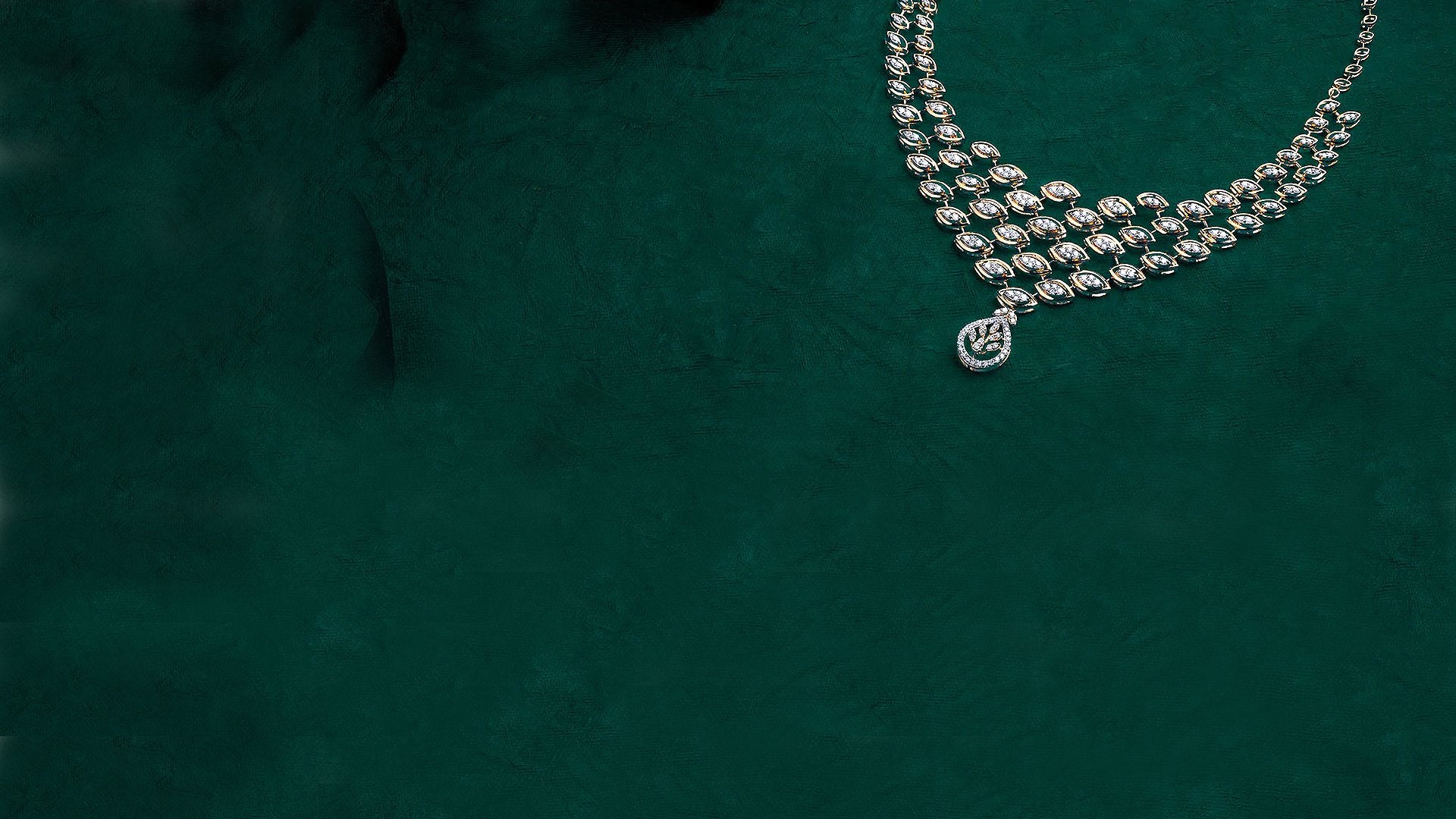
Production of Lab Grown Diamonds
There are two methods used in the production of lab grown diamonds, HPHT and CVD. Only after producing diamonds through these processes, they are used in making jewelry like Necklaces, rings, bracelets, etc.
HPHT Method
The HPHT method mimics the natural conditions under which diamonds are formed deep within the Earth. This process involves three primary components: a carbon source, a small diamond seed, and a metal catalyst.
- Carbon Source and Diamond Seed - The process begins with a carbon source, typically graphite, and a diamond seed, which is a tiny piece of diamond. The seed acts as a foundation for the diamond's growth.
- High Pressure and Temperature Application - The carbon source and diamond seed are placed in a high-pressure, high-temperature chamber. The chamber replicates the extreme conditions found 150 kilometers below the Earth's surface, with pressures of approximately 5 GPa and temperatures around 1,500°C.
- Diamond Formation - Under these conditions, the carbon source melts and forms a carbon-rich liquid. The carbon atoms then begin to attach to the diamond seed, crystallizing to form a larger diamond. This process can take several days to weeks, depending on the desired size of the diamond.
Chemical Vapor Deposition (CVD) Method
The CVD method involves growing diamonds from a gas mixture. This technique allows for the production of high-quality diamonds at relatively lower temperatures and pressures compared to HPHT.
- Preparation of the Substrate - The process starts with a diamond seed placed in a vacuum chamber. The substrate can be a thin slice of diamond or another material coated with diamond particles.
- Gas Mixture - Introduction A mixture of gases, typically hydrogen and methane, is introduced into the chamber. The chamber is then heated to about 800°C to 1,000°C.
- Plasma Formation - Microwave energy or another form of energy is used to generate a plasma from the gas mixture. The plasma breaks down the gas molecules into carbon atoms and hydrogen atoms.
- Diamond Growth - The carbon atoms precipitate onto the diamond seed, gradually building up the diamond crystal layer by layer. This process allows for precise control over the diamond's characteristics, including its shape and size.
Conclusion
These are the two methods used in the production of lab grown diamonds. These diamonds are very similar in quality when compared to natural diamonds and also they are highly affordable than the latter.