
How Does Facade Rehabilitation Transform a Structure's Visual Identity?
A building's visual identity and appeal are greatly influenced by its front. Facades may degrade with time, losing their initial usefulness and charm. Facade restoration restores structures while adding contemporary elements. The procedure enhances structural integrity in addition to restoring aesthetics. This article examines how facade restoration improves a structure's appearance. It emphasizes how crucial it is to preserve architectural elegance while accommodating modern demands.
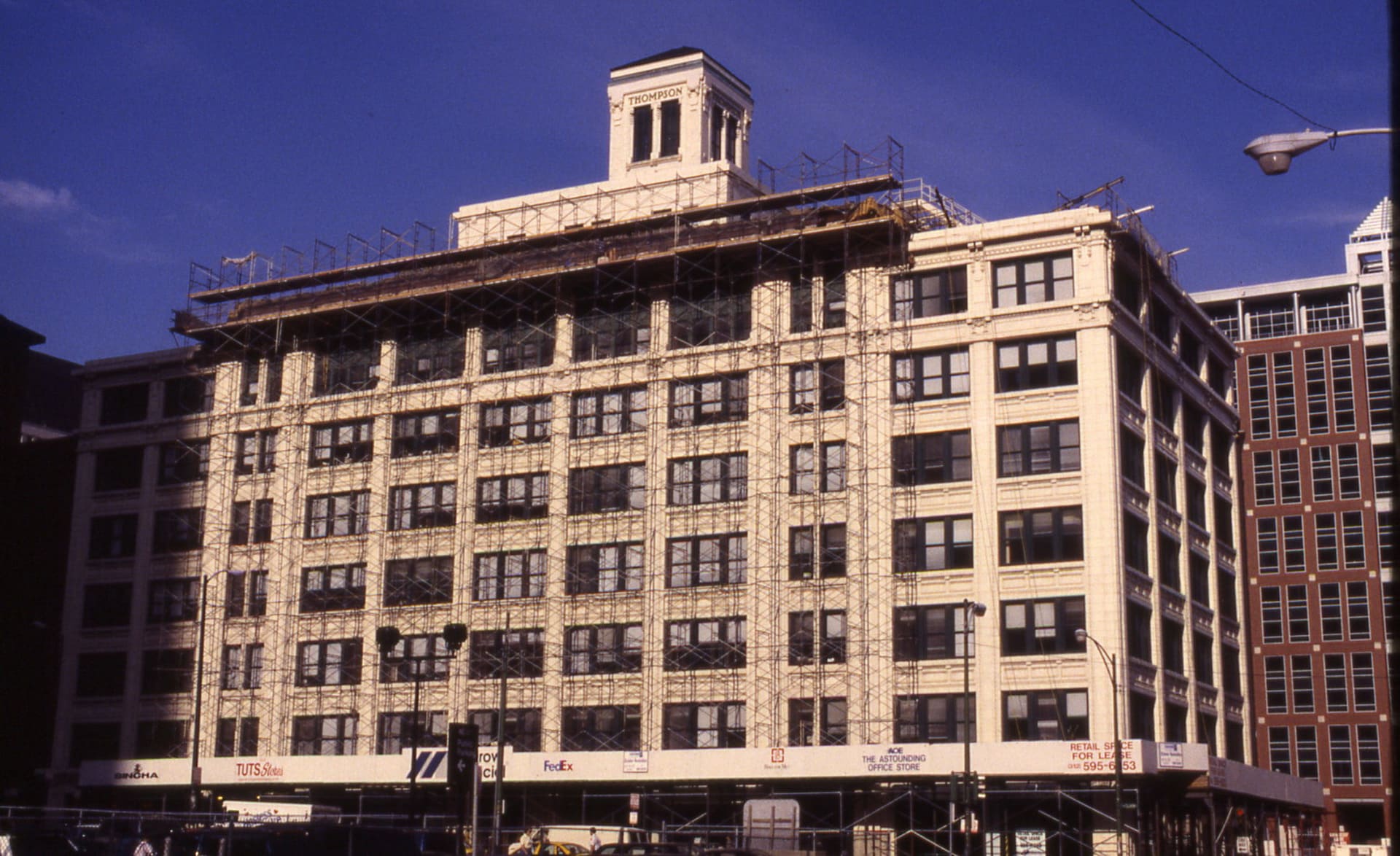
Bringing Old Structures Back to Life
Age may diminish the visual narrative of any building, yet every structure has a tale to tell. A building's original character is shown via facade restoration, which revitalizes its look. Its charm may be restored by replacing broken materials, patching cracks, and restoring fading walls. Initiatives such as rehabilitacion fachadas Valencia help to maintain the historic charm of metropolitan areas in places like Valencia. Rehabilitating a structure, whether residential or commercial, guarantees that it blends in with its surroundings. The building's ties to the neighborhood are further strengthened by this renovation procedure.
Combining Tradition with Modern Components
Structures that have undergone rehabilitation may include contemporary features without losing their historic character. During renovations, architects and designers meticulously incorporate modern colors, textures, and materials. For example, after restoration, a structure with old bricks could have modern glass extensions. These careful revisions guarantee that the building remains applicable in changing urban environments. These contemporary additions provide a dramatic contrast with the historic features. The end effect is a timeless façade that embraces the future while paying homage to its history.
Enhancing Useful Features Beyond Appearance
In facade repair, utility is just as crucial as looks. Energy-efficient improvements like thermal insulation or sophisticated cladding systems are often included into the procedure. These upgrades not only save energy use but also increase inhabitants' comfort levels inside. Weather-resistant materials may also be used into modern facades to endure environmental difficulties. These improvements ensure that a building appears elegant while improving its performance. Its long-term advantages to owners are complemented by a functional facade.
Preserving Identity and Cultural Heritage
Rehabilitating facades becomes a way for ancient cities to maintain their cultural character. Numerous ancient structures have distinctive architectural designs that provide insight into the history of a certain area. By satisfying contemporary safety and comfort criteria, rehabilitation guarantees that these buildings stay intact. Such initiatives preserve the unique identity of communities in cities like Valencia. It is a method of making the area habitable for the present while paying tribute to the workmanship of the past.
Developing Emotional Bonds with Architecture
A nicely restored façade arouses pride and emotion in addition to improving appearance. People are particularly drawn to environments that exhibit careful design, creativity, and caring. Rehabilitating abandoned structures creates striking monuments that improve their surroundings. Residents are often motivated to care more about their town by these restored buildings. The process creates a feeling of community, whether it involves little fixes or a comprehensive overhaul. It demonstrates the beneficial impact that well-considered design can have on people's lives.
Conclusion
Buildings may be transformed into visually stunning masterpieces that enhance their surroundings via facade renovation. The method produces timeless designs that appeal to people by combining modernism and heritage. Rehabilitating facades is still essential to urban development, whether for aesthetic reasons, historical preservation, or practical reasons.