
What Are the Iconic Landmarks You Shouldn’t Miss in London?
London, one of the most historically rich and culturally vibrant cities in the world, offers a vast array of landmarks that represent its heritage and modernity. Whether you're visiting for the first time or returning for another exploration, certain landmarks are essential to understanding the city's character. Here, we explore some of the must-see landmarks that encapsulate London’s history, culture, and architectural grandeur.
Iconic Landmarks You Shouldn’t Miss in London
The Tower of London
A symbol of British royalty and a UNESCO World Heritage site, the Tower of London is a fortress steeped in history. Originally constructed in 1078 by William the Conqueror, it has served as a royal palace, prison, and treasury. Today, it houses the Crown Jewels, a collection of the UK's most precious regalia. Walking through its ancient walls, you’ll witness the remnants of its turbulent past, from tales of imprisonment to the ravens that guard the tower, said to protect the kingdom from disaster. It’s an essential stop for anyone interested in British history and the monarchy.
Buckingham Palace
As the official residence of the British monarch, Buckingham Palace is a major attraction. Visitors gather outside to witness the Changing of the Guard, a ceremony that showcases the tradition and pageantry of the British military. The palace has been the focal point for royal celebrations, including weddings and jubilees, and its significance in British national life cannot be overstated. If visiting during the summer, certain sections of the palace, including the State Rooms, are open to the public, offering a rare glimpse into royal life.
The British Museum
For lovers of art, history, and culture, the British Museum is a treasure trove. With an extensive collection of over eight million works, it chronicles human history from ancient civilizations to the modern era. Highlights include the Rosetta Stone, the Elgin Marbles, and Egyptian mummies. The museum itself is an architectural masterpiece, with its neoclassical facade and the stunning glass-roofed Great Court. A visit to the British Museum offers an immersive experience in the world's cultural heritage, making it a must-visit landmark.
Tower Bridge
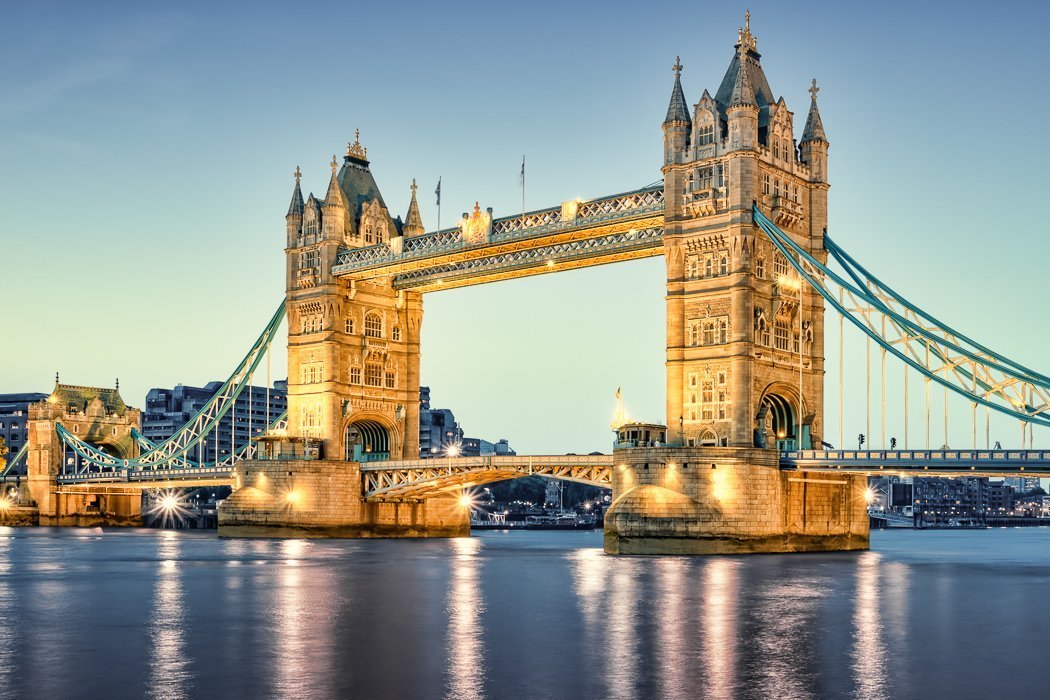
Often confused with London Bridge, Tower Bridge is a striking example of Victorian engineering and one of the city’s most photogenic landmarks. Completed in 1894, this bascule and suspension bridge features two towers connected by walkways, offering stunning views of the River Thames and the surrounding cityscape. Visitors can explore the inner workings of the bridge in the Tower Bridge Exhibition, where the history and mechanics of this marvel are on full display. The glass-floored walkways provide a unique perspective of the bridge in action as it lifts to allow ships to pass.
The Natural History Museum
Located in South Kensington, the Natural History Museum is both an architectural wonder and a beloved institution for science enthusiasts. The museum houses over 80 million specimens, including dinosaurs, fossils, and rare minerals. Its grand entrance hall, with its iconic dinosaur skeletons, sets the tone for an educational and exciting journey through the natural world. The building’s Romanesque architecture, with detailed stone carvings and a high vaulted ceiling, is a marvel in itself, making it a must-see landmark.
Trafalgar Square
Trafalgar Square is a central hub for gatherings, protests, and celebrations. It commemorates the British naval victory at the Battle of Trafalgar with its towering Nelson’s Column. The square is surrounded by important buildings such as the National Gallery, which houses an impressive collection of European paintings. With its fountains, statues, and central location, Trafalgar Square serves as a vibrant public space where Londoners and tourists alike gather, making it an essential stop on any visit to the city.
Conclusion
London is a city where every street and building tells a story, and its landmarks represent centuries of history and culture. Whether you’re drawn to the historical significance or the architectural marvels, these iconic sites should be part of every London itinerary.