
What are the Primary Elements of the Retail Anti-Theft System?
One essential component of running a company is preventing theft. Many stores use advanced anti-theft systems to protect their inventory and assets. These systems are made up of several parts that cooperate to stop theft and catch those who do it. It is vital to comprehend these constituents in order to execute efficacious security protocols inside retail settings.
Surveillance Cameras
Surveillance cameras are a vital component of any retail anti-theft system. These cameras work as watchful eyes, always keeping an eye out for any unusual behaviour on the property. The business is fully covered by high-resolution cameras that are positioned strategically to record any possible theft situations. Advanced camera systems may also include night vision and motion detection capabilities, which provide continuous monitoring all day and all night.
RFID tags for electronic article surveillance (EAS)
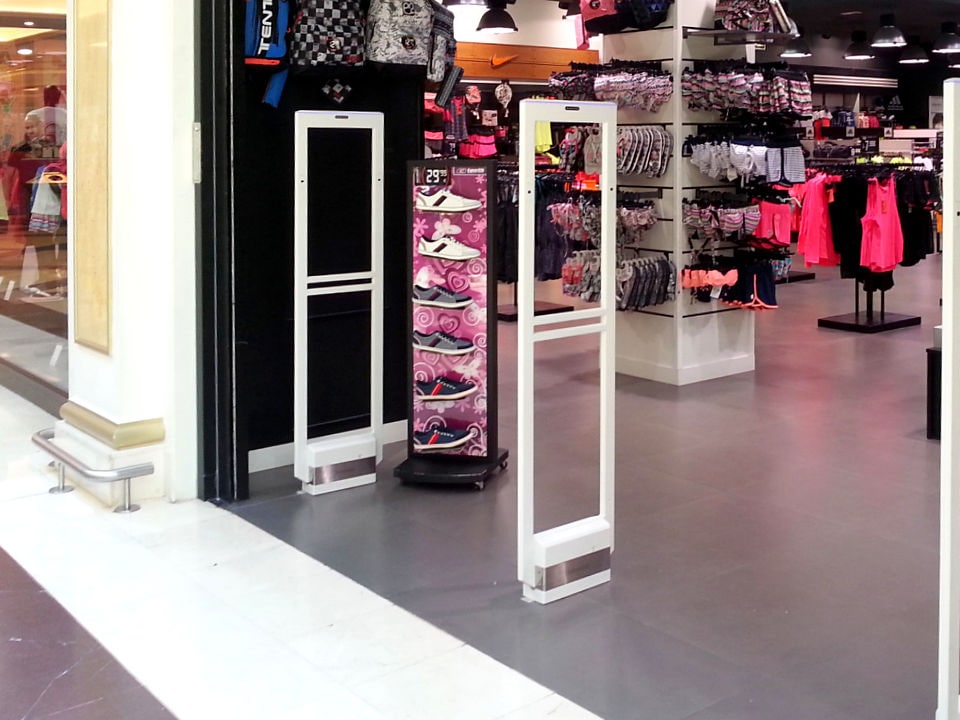
In retail environments, Electronic Article Surveillance (EAS) tags are essential weapons in the battle against theft. These tags are connected to products and include electrical parts that, when they pass through certain exit points, sound an alert. EAS tags are available in two varieties: hard tags, which are attached to objects physically, and soft tags, which are often incorporated into labels or packaging. These tags notify shop employees to possible theft attempts and act as a strong deterrent to would-be criminals.
Security Labels and Ink Tags
Security labels and ink tags are often used in addition to EAS tags to protect goods. Adhesive labels that are attached directly to items and include electronic components, such to EAS tags, are called security labels. Alternatively, ink tags are applied to clothes or other products and contain a vial of ink that ruptures if tampered with, leaving the object useless and preventing theft.
Security Mirrors
Security mirrors are essential for increasing visibility in a store and preventing theft. Mirrors positioned strategically provide employees unhindered views of blind places and concealed corners, reducing the likelihood of theft. Security mirrors discourage robbers because they make them aware that they are being watched.
Access Control Systems
Access control systems allow access to authorized staff only and restrict admittance to certain locations inside a business. To restrict access, these systems usually use biometric identification techniques or electronic key cards. This keeps unauthorized people out of critical areas like stockrooms and administrative offices. Access control systems aid in preventing internal theft and safeguarding important assets by limiting access to certain places.
Both visual and auditory alarms
Sistema antihiurto para tiendas must include both visible and audible warnings as they provide prompt notice in the event of a theft attempt. These alarms are designed to attract attention to a problem and discourage the culprit by emitting loud sirens and flashing lights when activated. Audible and visual alarms may be connected with surveillance systems to automatically activate cameras to capture incident video for inquiry.
Conclusion
A retail anti-theft system's ability to prevent theft and safeguard assets depends on the seamless integration of its many components. Every element, from security mirrors and access control systems to surveillance cameras and EAS tags, is essential to the protection of retail areas. Shop owners may make their products and consumers safer by comprehending these elements and putting in place thorough security procedures.