
Why is Floor Sanding Essential for Proper Refinishing?
Maintaining the lifespan and aesthetic appeal of your hardwood surfaces requires refinishing your flooring. However, floor sanding is essential to provide a perfect and smooth surface. It aids in floor preparation by eliminating flaws and showcasing the beauty of the original wood. The significance of sanding for appropriate refinishing is often overlooked by homeowners. Let's examine why this procedure is essential to getting a superior, long-lasting finish.
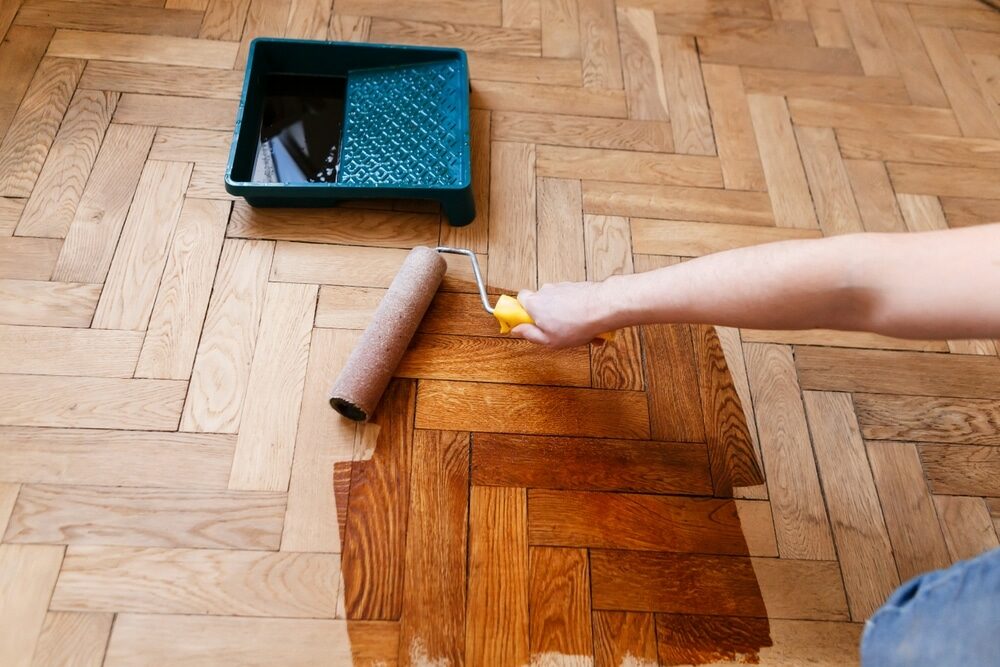
Sanding style is an important first step
Sanding the floor serves as a prelude to refinishing. It includes removing scratches, grime, and outdated finishes. Any surface flaws that are not sanded will still show through after restoration. It makes the wood smoother and guarantees a good adhesion of the fresh stain or varnish. For example, Floor Sanding in Simpsonville SC preserves the wood's visual appeal and structural soundness.
The Significance of Surface Preparation
Any unevenness in the wood's surface is removed by proper sanding. The floor's look may become inconsistent over time due to wear and tear. These flaws are eliminated by sanding, which also produces a smooth surface. This guarantees that your floor finish will seem smooth and even. For the final refinishing procedure to seem smooth and professional, the surface must be properly prepped.
Sanding's Purpose in Improving Durability
Sanding can make your floor refinishing last longer. It facilitates deeper penetration of the new finish into the wood by eliminating previous layers and flaws. The surface is strengthened by this deeper coating, increasing its resistance against future harm. It keeps the finish from prematurely chipping, peeling, or fading. As a result, sanding prolongs the floor's life in addition to improving its beauty.
The Trick for Getting a Smooth Finish
The ultimate aim of floor refinishing is a smooth surface. Sanding leaves a flawlessly uniform texture by removing scratches, dents, and rough places. This smoothness makes it possible for the fresh stain or varnish to apply evenly. The end effect is a faultless, glass-like look that accentuates the wood's inherent beauty. The refinishing procedure would not provide the intended effects without enough sanding.
Preventing Typical Refinishing Mistakes
Refinishing without floor sanding might provide unsatisfactory results. Poor adhesion and uneven finishes might result from improper sanding. Over time, the new finish can peel, bubble, or fracture. Additionally, it might seem streaky or blotchy, which would take away from the floor's visual appeal. Proper sanding solves these difficulties, making your repaired floor last for years.
Conclusion
Sanding the floor prepares it for refinishing, improves toughness, and produces a smooth, long-lasting finish. It removes flaws so the fresh finish can gleam and stick correctly. Sanding is an essential step in floor restoration, whether you're doing it for cosmetic or structural reasons. Investing in this important procedure guarantees that your floors will continue to be elegant and useful for many years to come.