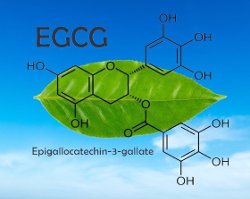
| .:: E.G.C.G. ::. |
.: Health Benefits of EGCG in Green Tea :. |
.: Neurological Benefits :. |
...::: EGCG prevents onset of... :::... |
 |
---- Cardiovascular Health:
EGCG protects your heart by helping you lower your cholesterol levels, promoting smooth blood flow, reducing oxidative stress, reducing inflammation, and protecting cardiomyocyte function (the cell responsible for the contraction of the heart).
Hyperlipidemia, i.e., high cholesterol levels, can lead to atherosclerosis, a condition that deposits fat inside the walls of arteries, blocking the flow of blood to various organs, including the heart. Atherosclerosis can cause blockages in the blood and oxygen supply to the heart, which can lead to a heart attack. |
---- Neurological Benefits:
As we age, the brain's structure and functions keep changing. Most commonly, it is found that with aging comes a decline in performance on cognitive tasks like the speed of processing, memory, and simple routine tasks. EGCG has been found to enhance such age-related cognitive functions and prevent blockage of blood supply to the brain. It has been shown to reduce inflammation in brain cells and protect them by regulating the proteins involved in brain cell death. |
One of the most common neurodegenerative diseases that take place with age is Alzheimer’s disease. While there are various factors involved, oxidative stress is one of the main reasons for the development and progression of Alzheimer’s Disease. EGCG, being a natural source of antioxidants, helps prevent the onset of Alzheimer’s Disease. |
| .: Continued... :. |
.: Cardiovascular Health :. |
.: Epigenetic Effects :. |
.: Antimicrobial Activity :. |

|
---- Cardiovascular Health Epigallocatechin Gallate (EGCG) offers significant cardioprotective effects through its antioxidant, anti-inflammatory, and lipid-lowering properties. It prevents the oxidation of low-density lipoproteins (LDL), a critical step in the development of atherosclerosis. EGCG also improves endothelial function by enhancing nitric oxide bioavailability and reducing arterial stiffness (Jiang et al., 2015).Studies have demonstrated that EGCG reduces blood pressure and improves lipid profiles by lowering triglycerides and LDL cholesterol while increasing high-density lipoprotein (HDL) cholesterol. Additionally, its anti-thrombotic effects reduce the risk of stroke and myocardial infarction (Ho et al., 2015). |
---- Epigenetic Effects
EGCG is a powerful epigenetic regulator. It inhibits DNA methyltransferases (DNMTs) and histone deacetylases (HDACs), leading to the reactivation of silenced tumor suppressor genes in cancer cells (Fang et al., 2007). These epigenetic changes also contribute to its anti-inflammatory and neuroprotective effects. |
---- Antimicrobial Activity
EGCG exhibits antimicrobial properties against bacteria, viruses, and fungi. It disrupts bacterial membranes, inhibits biofilm formation, and interferes with bacterial enzyme systems. Additionally, EGCG has antiviral effects by preventing viral entry and replication, making it potentially therapeutic for infections such as influenza and herpes simplex (Steinmann et al., 2013). |
| .: Hot Water Immersion Therapy :. |
: Flow-Mediated Arterial Dilation : |
.: Lowers Blood Pressure :. |
.: :. |

|
Hot water immersion significantly increased flow-mediated arterial dilatation, and decreased carotid IMT and PWV, indicating that hot temperature is more important than water immersion in reducing atherosclerosis. In addition, several studies demonstrated that lower leg hot water immersion, without the effect of body immersion, could improve cardiac as well as arterial functions.
Furthermore, recent studies have demonstrated that 30 min of sauna bathing significantly decreased arterial stiffness, decreased blood pressure without changes in the augmentation index, and augmented the blood pressure. |
-- The high temperatures in a warm tub or sauna cause your blood vessels to dilate, which lowers blood pressure.-
- The volume of blood your heart pumps will also rise, especially in a hot tub. That's a result of the pressure of the water on the body, which increases the heart's workload
Habitual hot water bathing protects cardiovascular function in middle-aged to elderly Japanese subjects.  |
|
| .: Cayenne Pepper :. |
.: Spices and Atherosclerosis (pdf) :. |
:: Health Benefits of Garlic :: |
.: Epicardial Adipose Tissue :. |
|
|
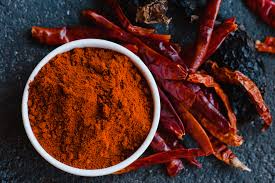
Capsaicin."...another chili pepper extract, was proven to reduce plaque formation..." "...These results demonstrate the promising effects of chili peppers in atherosclerosis."
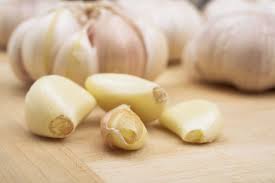
Garlic. "Allicin, an important compound of garlic, exhibits anti-atherosclerotic effects." 
Garlic lowers blood pressure in hypertensive subjects, improves arterial stiffness and gut microbiota: A review and meta-analysisGarlic supplements have shown effectiveness in reducing blood pressure in hypertensive patients, similarly to first-line standard anti-hypertensive medications. Kyolic garlic has also shown promise in improving cardiovascular health by reducing arterial stiffness, elevated cholesterol levels and blood ‘stickiness’. In addition, the prebiotic properties in garlic increase gut microbial richness and diversity. |
Potential Health Benefit of Garlic Based on Human Intervention Studies: A Brief Overview [pdf]
"Based on current research, garlic can significantly reduce the risk of atherosclerosis, hypertension, diabetes, hyperlipidemia, myocardial infarction, and ischemic stroke [79], thanks to the synergistic effects of its nutritional and phytochemical components."
"From a dietary approach, garlic has the potential role in the prevention and treatment of atherosclerosis"
"...atherosclerosis progression, that reported a decrease of the coronary atherosclerosis growth at dose of 250 mg AGE daily for 12 months by reducing epicardial adipose tissue..."
** Just 250mg of AGE a day. Which is the equivalent of 1-2 cloves of raw garlic. |
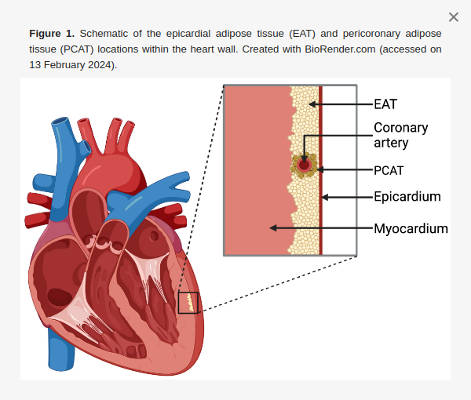 The Role of Epicardial Adipose Tissue in Acute Coronary Syndromes, Post-Infarct Remodeling and Cardiac Regeneration [pdf] The Role of Epicardial Adipose Tissue in Acute Coronary Syndromes, Post-Infarct Remodeling and Cardiac Regeneration [pdf]
Epicardial adipose tissue (EAT) is a fat deposit surrounding the heart and located under the visceral layer of the pericardium. Due to its unique features, the contribution of EAT to the pathogenesis of cardiovascular and metabolic disorders is extensively studied. Especially, EAT can be associated with the onset and development of coronary artery disease, myocardial infarction and post-infarct heart failure which all are significant problems for public health. |
 
|
 
|
  |
 
|