Gallery of Major Contributors
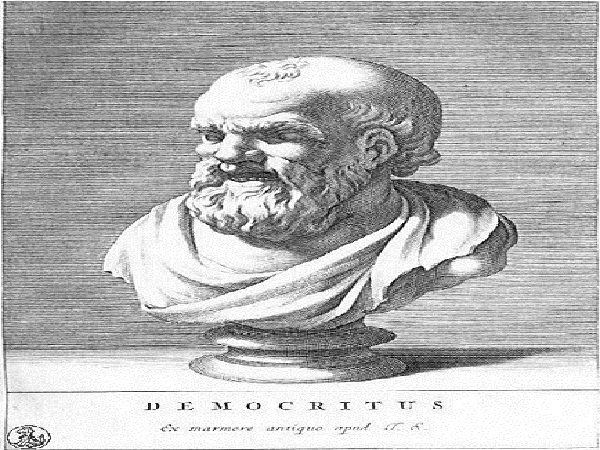
Democritus
Democritus, a Greek philosopher, co-originated the thought (with his teacher, Leucippus) that all matter is composed of indivisible elements.
Democritus, a Greek philosopher, co-originated the thought (with his teacher, Leucippus) that all matter is composed of indivisible elements.
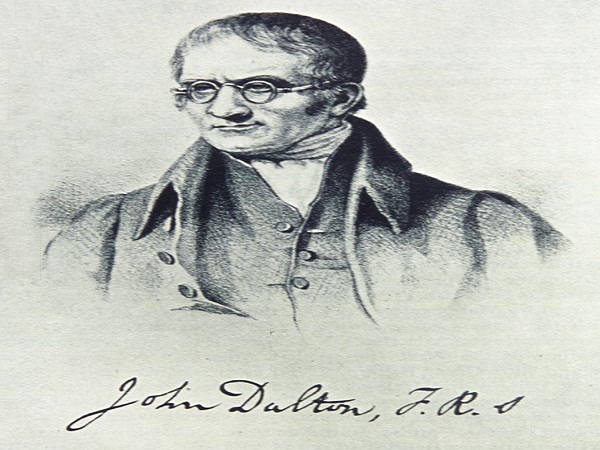
John Dalton
John Dalton, a British chemist and physicist, developed a theory that matter is simply composed of atoms of different weights and is combined in ratios by weight. Also proposed that these atoms are spherical, and are in motion.
John Dalton, a British chemist and physicist, developed a theory that matter is simply composed of atoms of different weights and is combined in ratios by weight. Also proposed that these atoms are spherical, and are in motion.
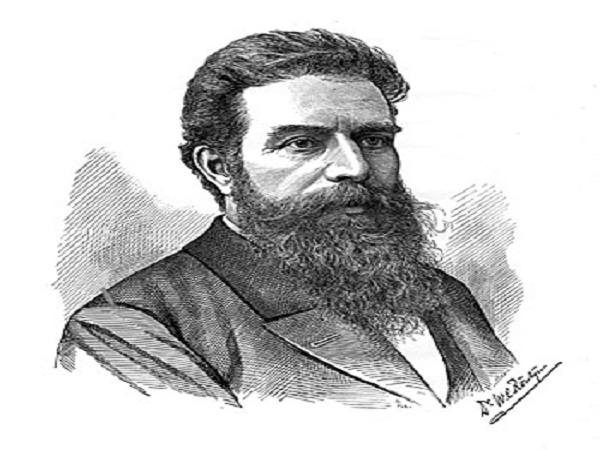
Wilhem Roentgen
Wilhelm Rontgen discovered that certain chemicals glowed when exposed to cathode rays. These rays weren't deflected by a magnetic field produced in the cathode ray tube. He named these X-rays.
Wilhelm Rontgen discovered that certain chemicals glowed when exposed to cathode rays. These rays weren't deflected by a magnetic field produced in the cathode ray tube. He named these X-rays.
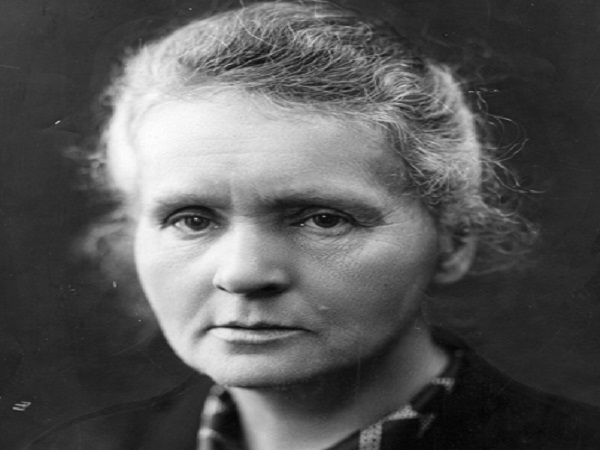
Marie Curie
Marie Curie theorized that radioactive particles cause atoms to break down, then releasing radiation that takes the form of energy and subatomic particles.
Marie Curie theorized that radioactive particles cause atoms to break down, then releasing radiation that takes the form of energy and subatomic particles.
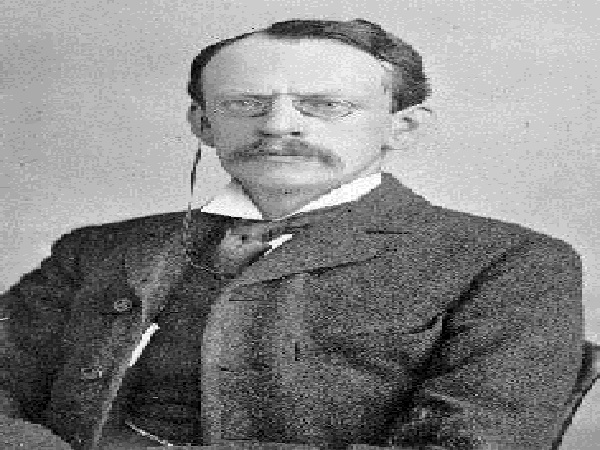
Joseph John Thomson
JJ Thomson discovers the electron, using properties of cathode rays.
JJ Thomson discovers the electron, using properties of cathode rays.
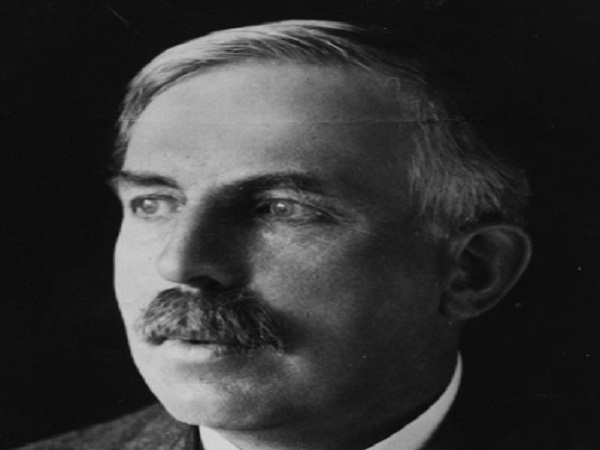
Ernest Rutherford
Ernest Rutherford known as the father of nuclear physics, developed the theory for the structure of the atom. He used a gold foil experiment, observing the scattering of alpha particles, and demonstrated for the first time the existence of the atomic nucleus.
Ernest Rutherford known as the father of nuclear physics, developed the theory for the structure of the atom. He used a gold foil experiment, observing the scattering of alpha particles, and demonstrated for the first time the existence of the atomic nucleus.
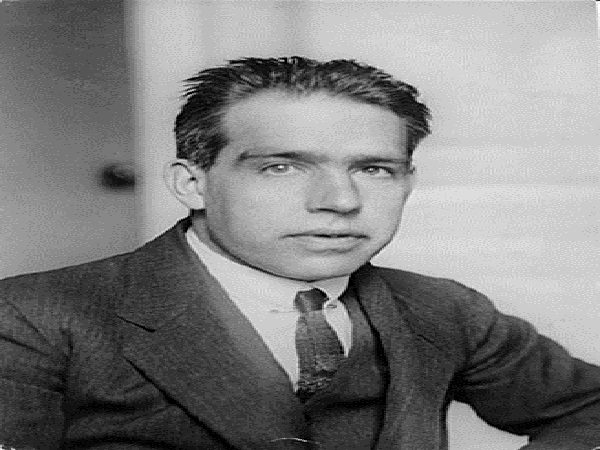
Niels Bohr
Neils Bohr developed the Bohr atomic model, with electrons travelling in orbits around the nucleus, and chemical properties being determined by how many electrons are in the outer orbits. He also integrated the Planck quantum theory, stating that when electrons change orbits they emit a quantum of discrete energy.
Neils Bohr developed the Bohr atomic model, with electrons travelling in orbits around the nucleus, and chemical properties being determined by how many electrons are in the outer orbits. He also integrated the Planck quantum theory, stating that when electrons change orbits they emit a quantum of discrete energy.
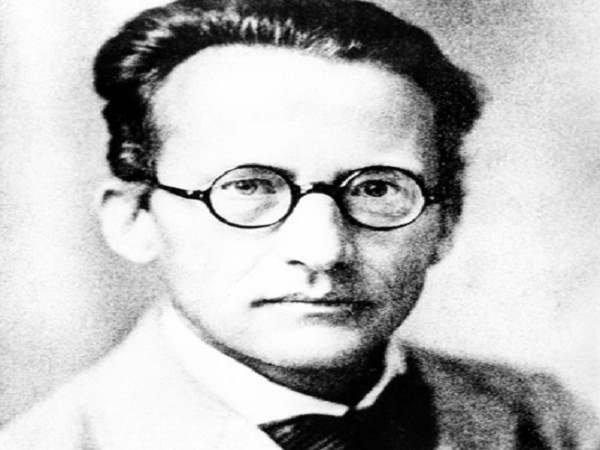
Erwin Schrodinger
Erwin Shrodinger described how electrons move in wave form, and developed the Schrodinger equation which describes how the quantum state of a system changes with time.
Erwin Shrodinger described how electrons move in wave form, and developed the Schrodinger equation which describes how the quantum state of a system changes with time.
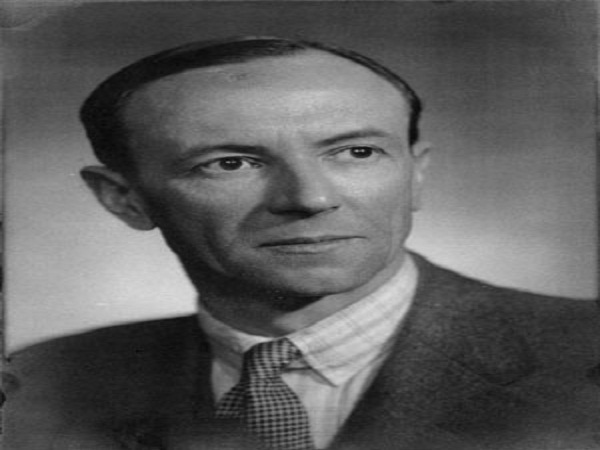
James Chadwick
James Chadwick discovers the neutron component of the atomic nucleus, explaining the nuclear fission of uranium 235. This also made it possible to produce elements heavier than uranium in the lab.
James Chadwick discovers the neutron component of the atomic nucleus, explaining the nuclear fission of uranium 235. This also made it possible to produce elements heavier than uranium in the lab.