What is the Atomic Theory?
Atomic theory is the scientific theory of the nature of matter. The theory states that matter is made up of small particles called atoms. Prior to this theory, matter was thought to be able to be divided into any small quantity. The word atom is derived from the Greek atmos, meaning indivisible.
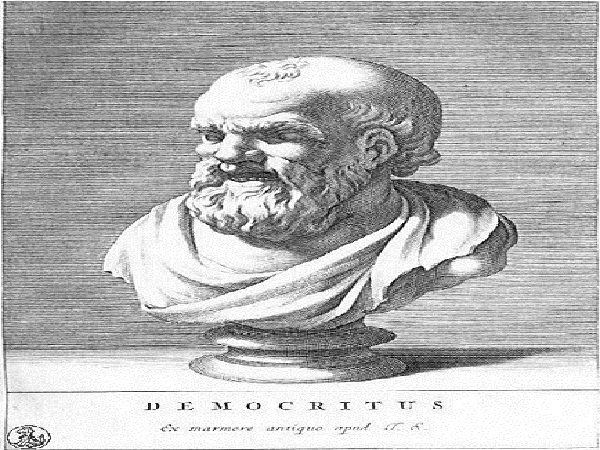
Thinking About Matter
Democritus, a Greek philosopher, co-originated the thought (with his teacher, Leucippus) that all matter is composed of indivisible elements.
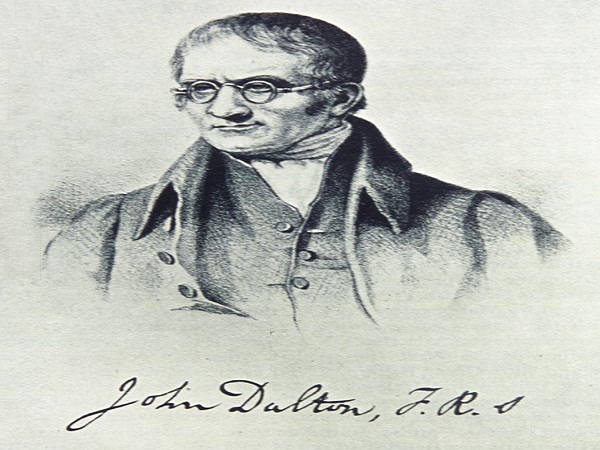
John Dalton and Atoms
John Dalton, a British chemist and physicist, developed a theory that matter is simply composed of atoms of different weights and is combined in ratios by weight. Also proposed that these atoms are spherical, and are in motion.
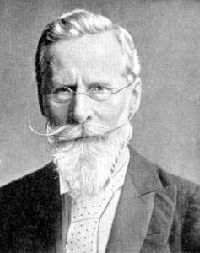
Cathode Ray Tube and TV
Sir William Crookes constructed a primitive cathode ray tube, which later became the basis for television.
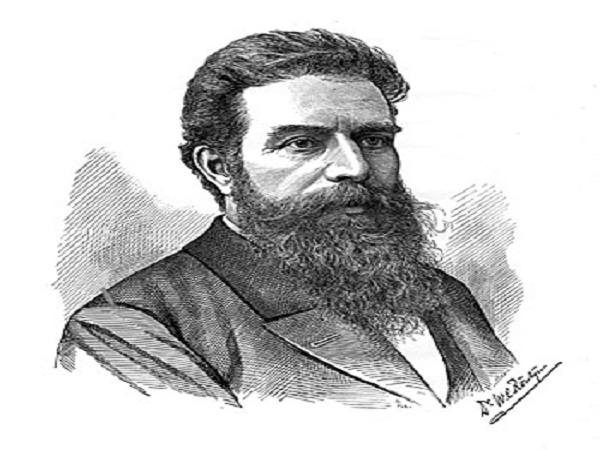
X-Rays Developed
Wilhelm Rontgen discovered that certain chemicals glowed when exposed to cathode rays. These rays weren't deflected by a magnetic field produced in the cathode ray tube. He named these X-rays.
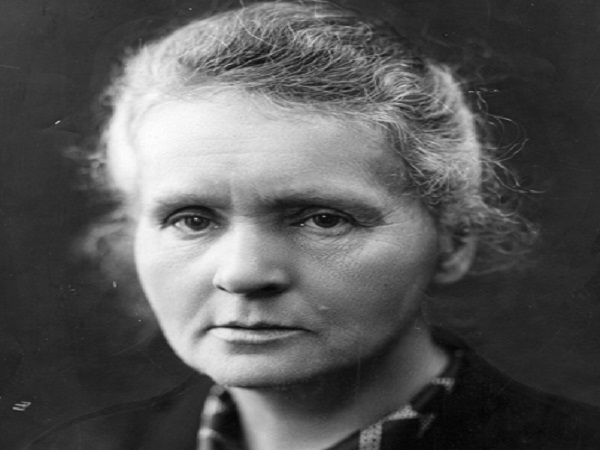
Radiation, Energy and the Atom
Pierre and Marie Curie theorized that radioactive particles cause atoms to break down, then releasing radiation that takes the form of energy and subatomic particles.
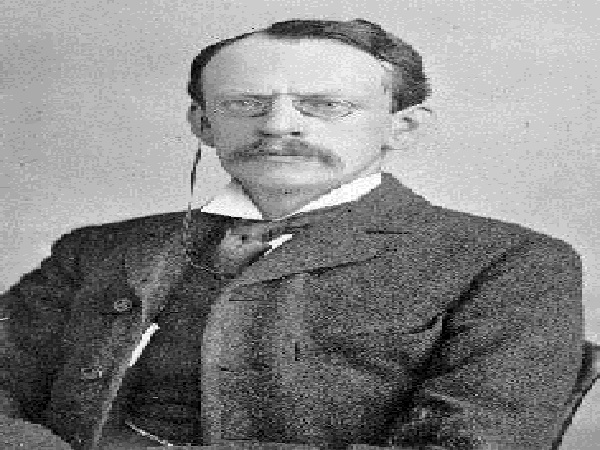
Electrons Discovered
JJ Thomson discovers the electron, using properties of cathode rays.
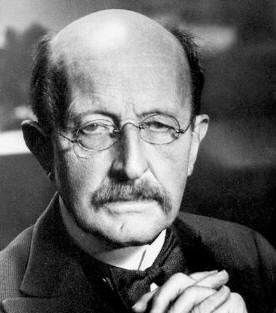
Early Quantum Theory Developed
Max Planck introduced what would be known as quantum theory, stating that electromagnetic energy could only be emitted in quantized form. His quanta are now called photons by physicists.
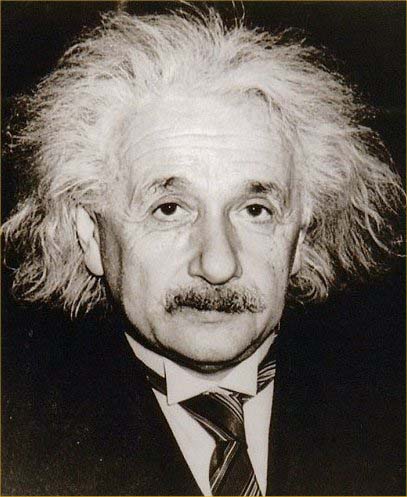
Einstein and the Nature of Light
Albert Einstein, creates special and general theories of relativity, and hypothesizes about the particle nature of light. This was the basis of nuclear energy.
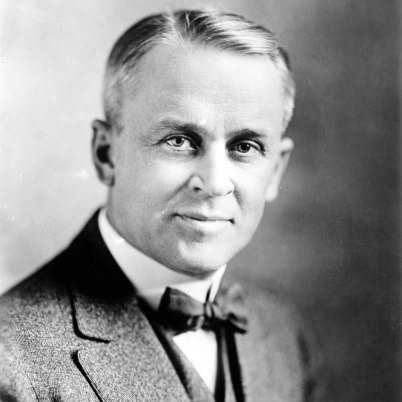
Charge of an Electron Measured
Robert Millikan measured the charge of a single electron. This is known as the elementary charge, one of the fundamental physical constants.
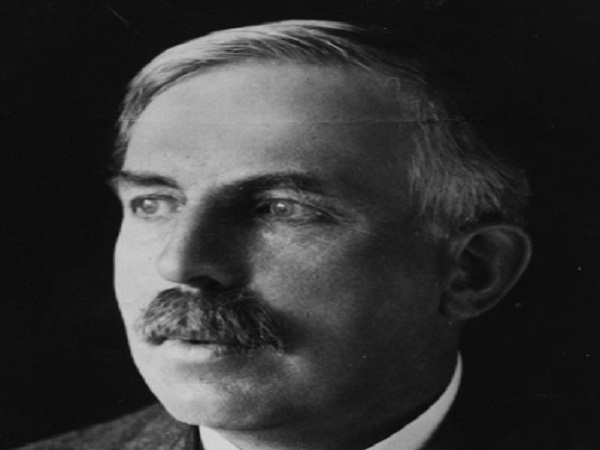
Structure of an Atom Developed
Ernest Rutherford known as the father of nuclear physics, developed the theory for the structure of the atom. He used a gold foil experiment, observing the scattering of alpha particles, and demonstrated for the first time the existence of the atomic nucleus.
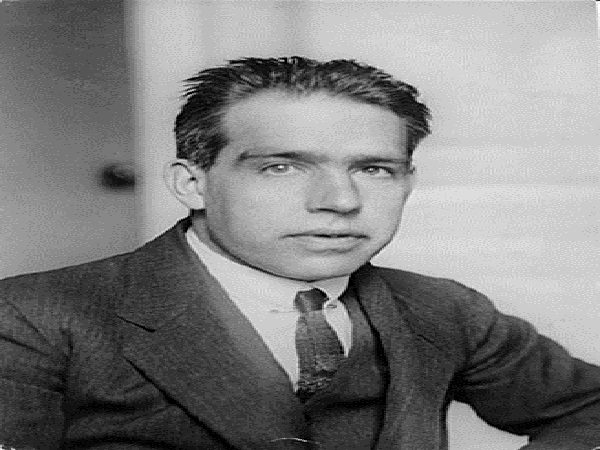
Bohr Improves the Atomic Model
Neils Bohr developed the Bohr atomic model, with electrons travelling in orbits around the nucleus, and chemical properties being determined by how many electrons are in the outer orbits. He also integrated the Planck quantum theory, stating that when electrons change orbits they emit a quantum of discrete energy.
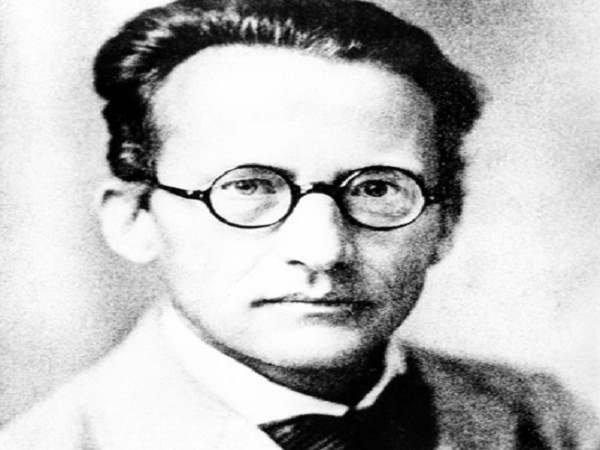
Math Describes Electron Changes
Erwin Shrodinger described how electrons move in wave form, and developed the Schrodinger equation which describes how the quantum state of a system changes with time.
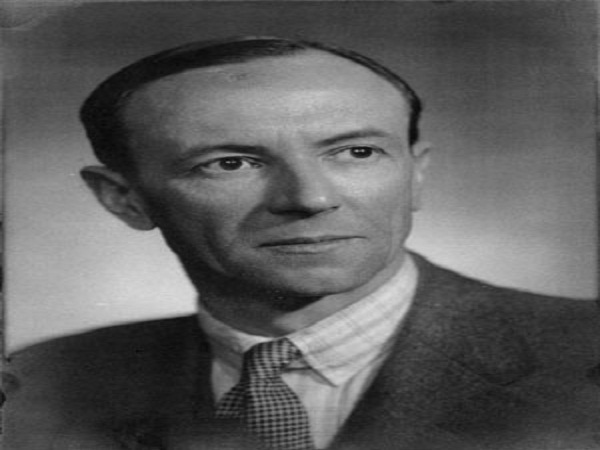
The Neutron is Discovered
James Chadwick discovers the neutron component of the atomic nucleus, explaining the nuclear fission of uranium 235. This also made it possible to produce elements heavier than uranium in the lab.
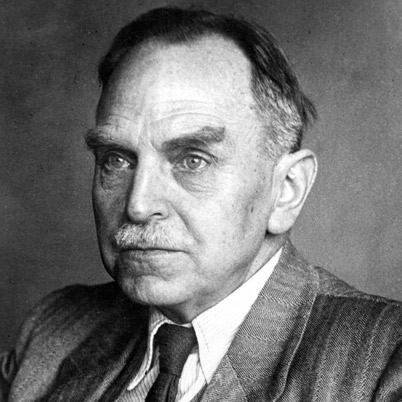
Nuclear Fission Developed
Otto Hahn, regarded as the father of nuclear chemistry, discovers nuclear fission, along with Lise Meitner.

Nuclear Medicine and I-131
Glenn Seaborg, many discoveries of the transuranium elements, as well as many advances in nuclear medicine, including the development of I-131 for thyroid disease.
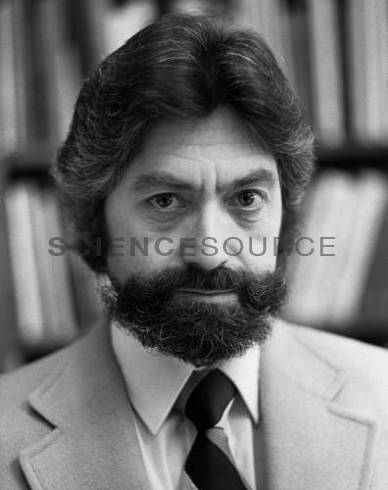
Particles Smaller than the Atom Murray Cell
Mann proposes the quark model (independently George Zweig does as well), which describes elementary particles that have no substructure (and therefore can't be split).